Water Damage Restoration Wakefield, MA
The restoration team removes escaped water, checks concealed moisture and dries the affected structure. From a leaking tank to a flooded lower level, the work starts with a safe, measured plan.
(888) 629-3140Water indoors? Call nowThe crew follows water through adjoining materials, then documents the work that returns the assembly to its drying goal.
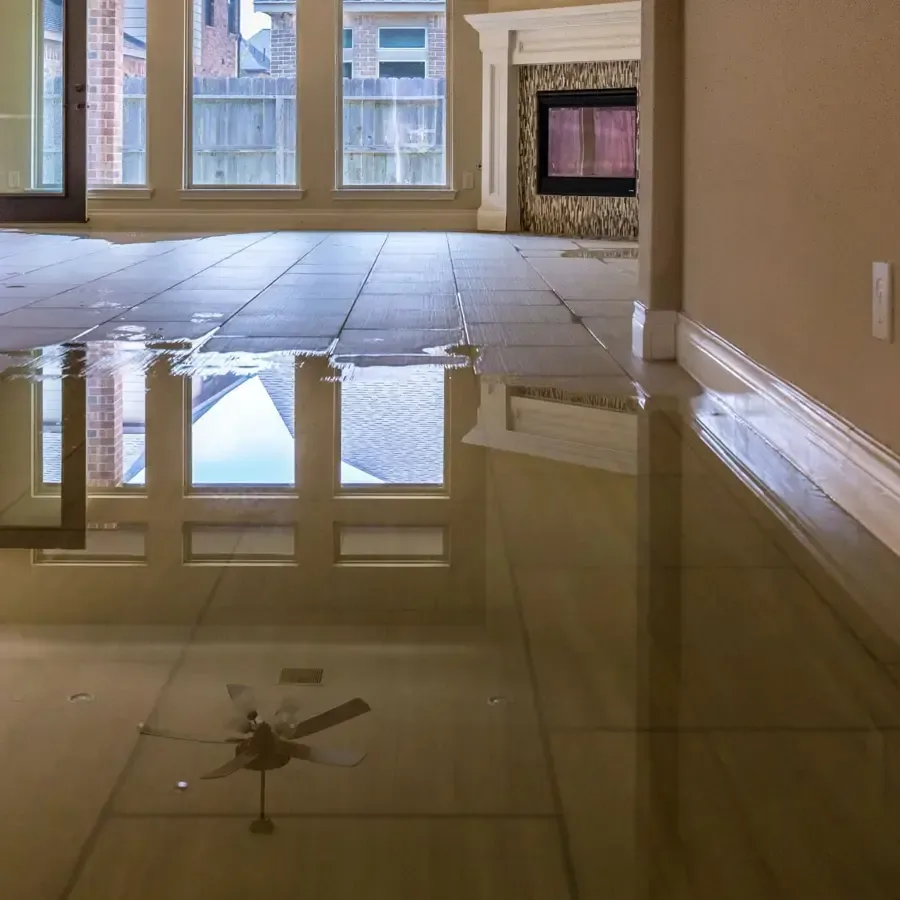
Water problems around lakes, rooms and utilities
Lake Quannapowitt feeds the Saugus River, and Crystal Lake contributes to the municipal water supply. Inside a building, the entry route and affected assembly determine the restoration plan.
Water damage dried to the IICRC S500 standard
A useful dry-out follows the materials through changing conditions. The crew records starting moisture, removes liquid water and adjusts the environment as retained moisture leaves the structure.
Water Damage Restoration Services in Wakefield, MA
Each water source creates a different cleanup problem. The crew separates plumbing repair, contamination control and structural drying so the written scope explains what happens next.

Water Extraction and Removal
Pooled water leaves first; moisture checks reveal what remains beneath flooring and behind trim.
Water Extraction and Removal details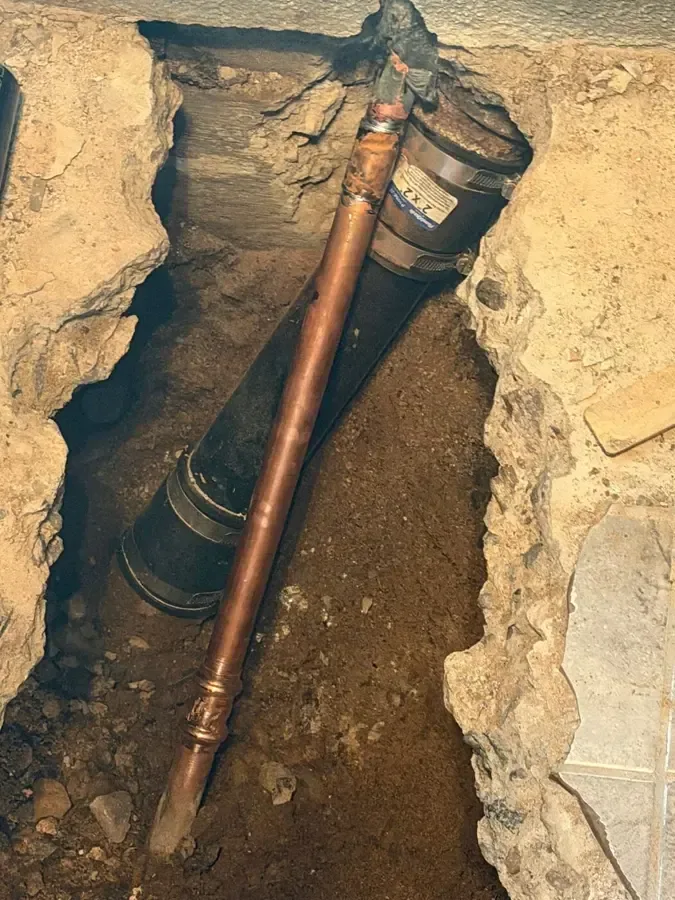
Slab Leak Water Damage
A concealed supply release needs floor-layer assessment after the plumber locates and repairs the source.
Slab Leak Water Damage details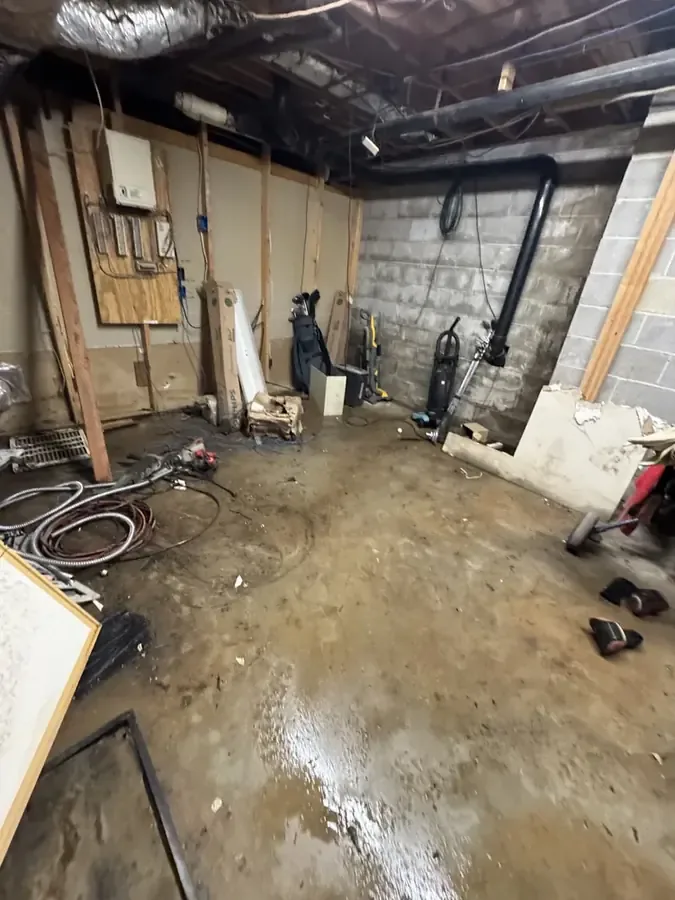
Sewage Backup Cleanup
Wastewater calls for controlled removal and cleaning before the remaining structure receives drying equipment.
Sewage Backup Cleanup details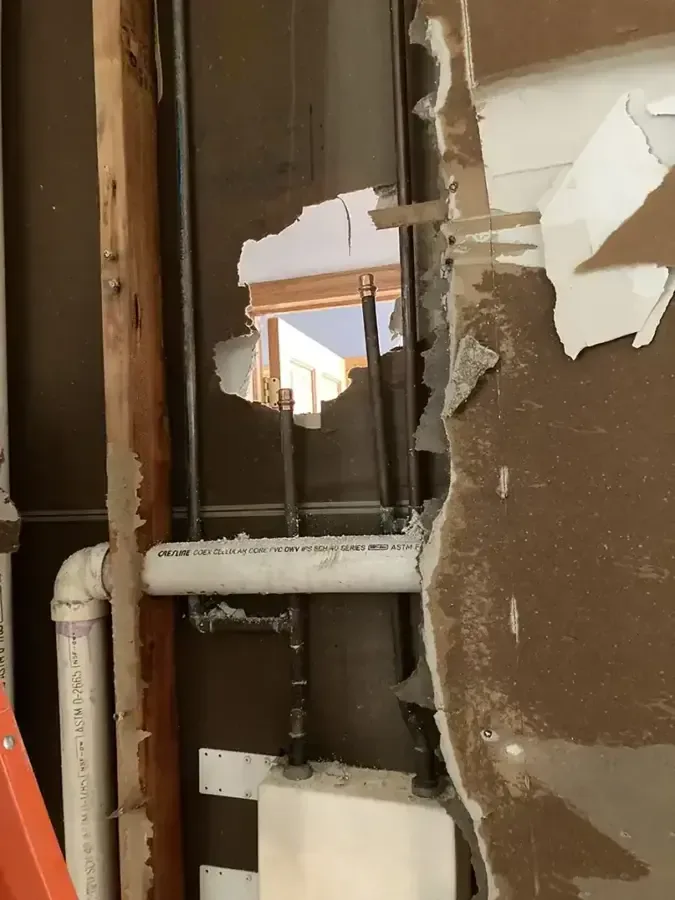
Burst Pipe Water Damage
Pressurized water can cross rooms inside cavities. The crew follows the escape route beyond the visible break.
Burst Pipe Water Damage details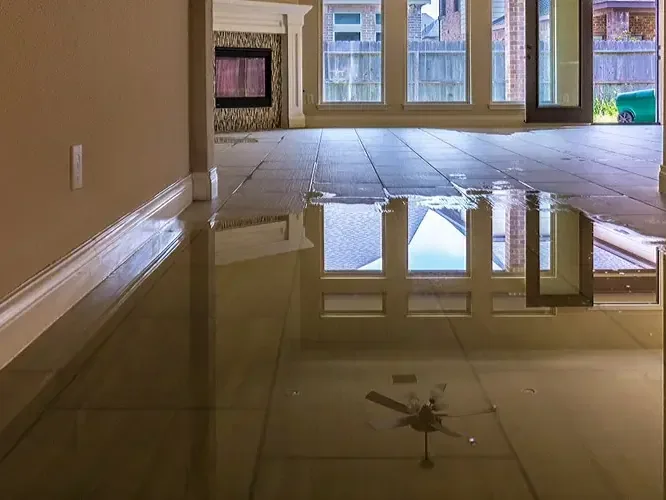
Storm and Flood Cleanup
Outdoor entry brings debris and contamination concerns that change material salvage and cleanup decisions.
Storm and Flood Cleanup details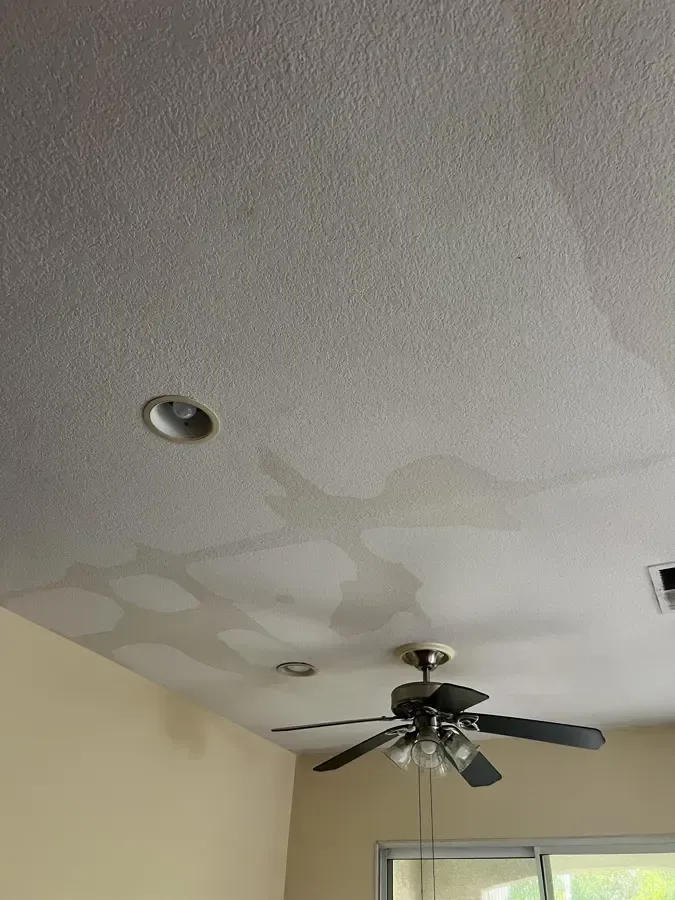
Roof Leak Water Damage
Rainwater can travel along attic framing before staining a ceiling. Inspection follows that concealed path.
Roof Leak Water Damage details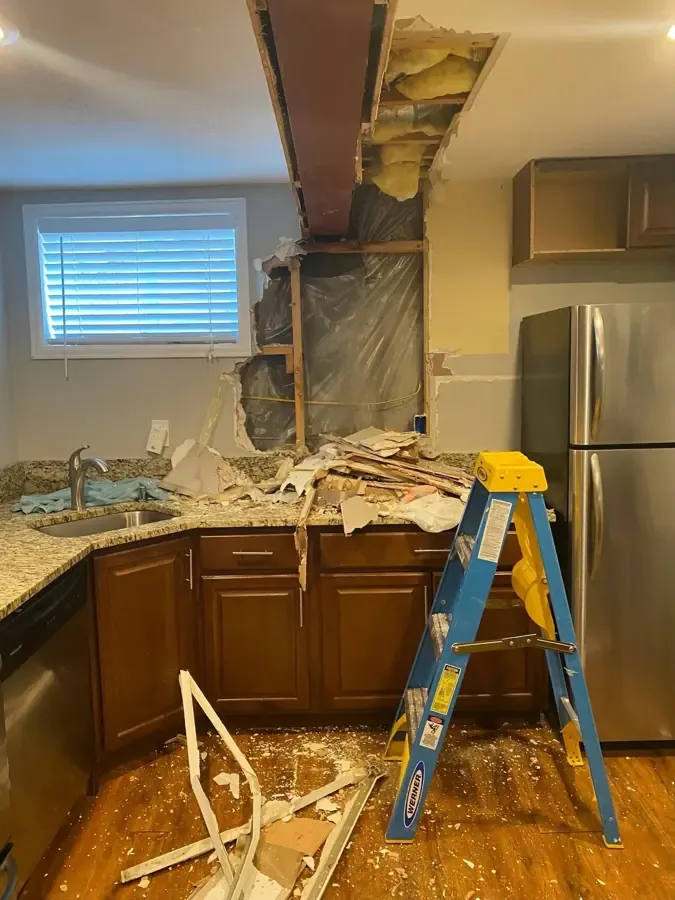
Ceiling Leak Water Damage
An upstairs leak needs a stability check below and moisture testing through the floor above.
Ceiling Leak Water Damage details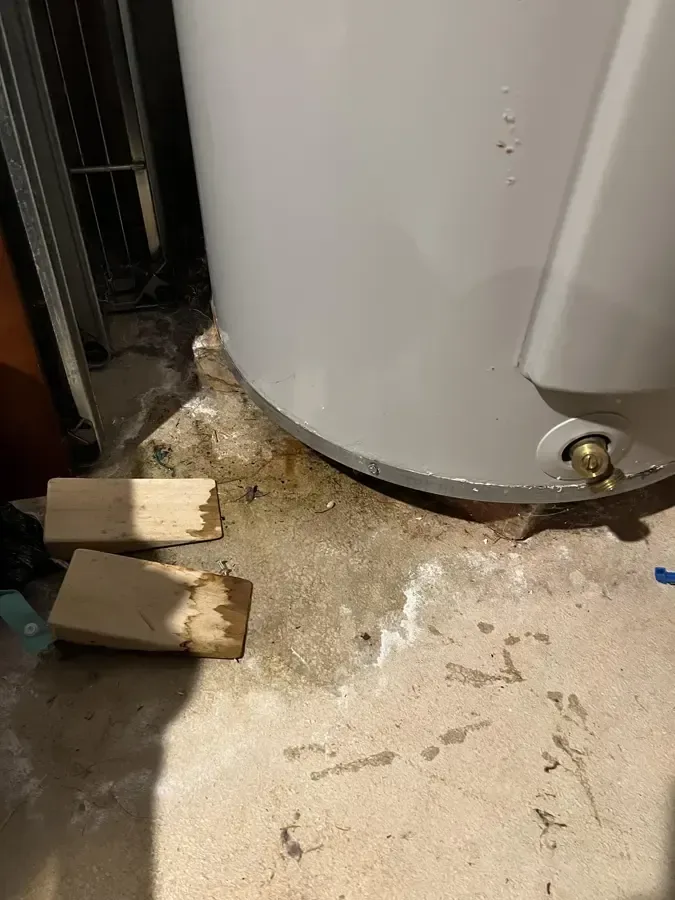
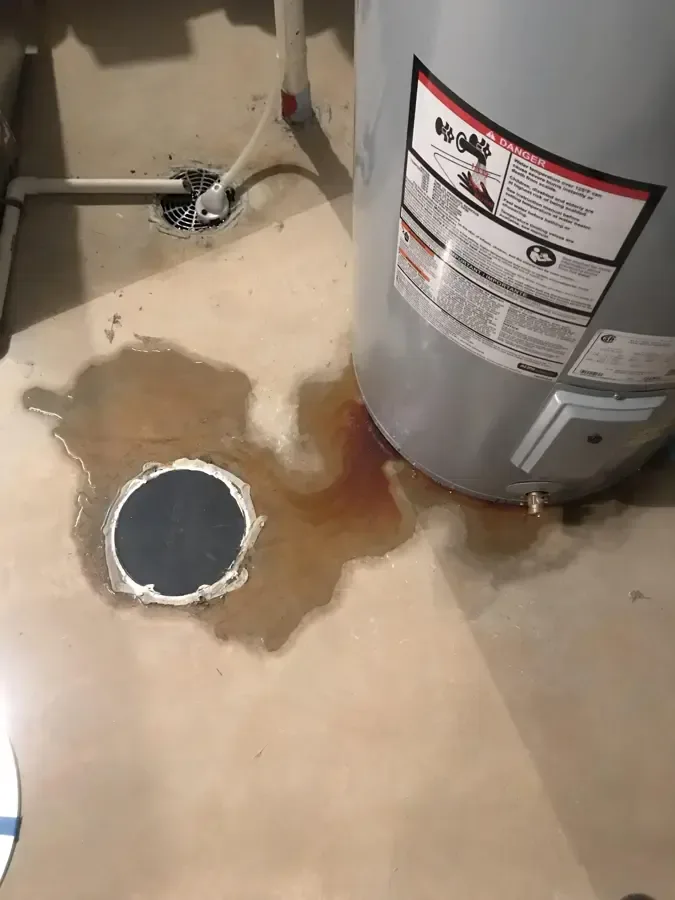
Water Heater Leak Cleanup
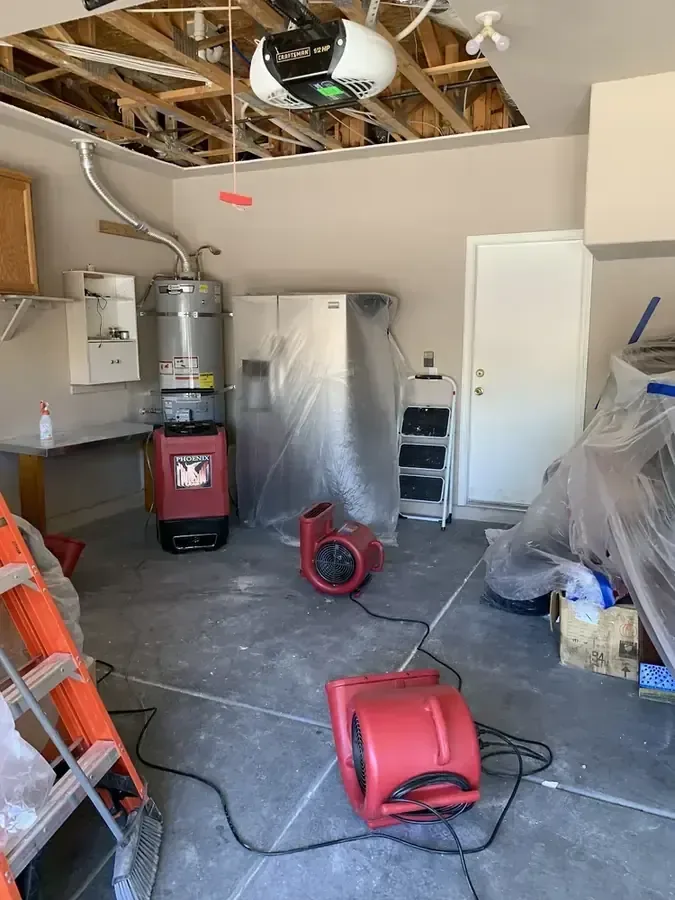
Tank releases can soak platforms and adjacent partitions. Drying coordinates with safe appliance replacement.
Water Heater Leak Cleanup details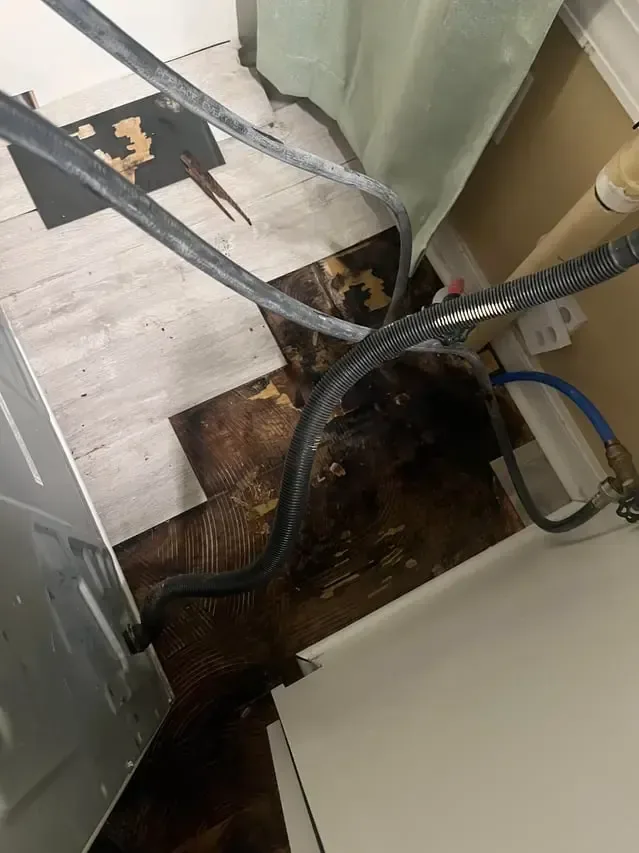
Appliance Leak Water Damage
Washers and dishwashers can leave water beneath recesses and cabinet bases that ordinary wiping cannot reach.
Appliance Leak Water Damage details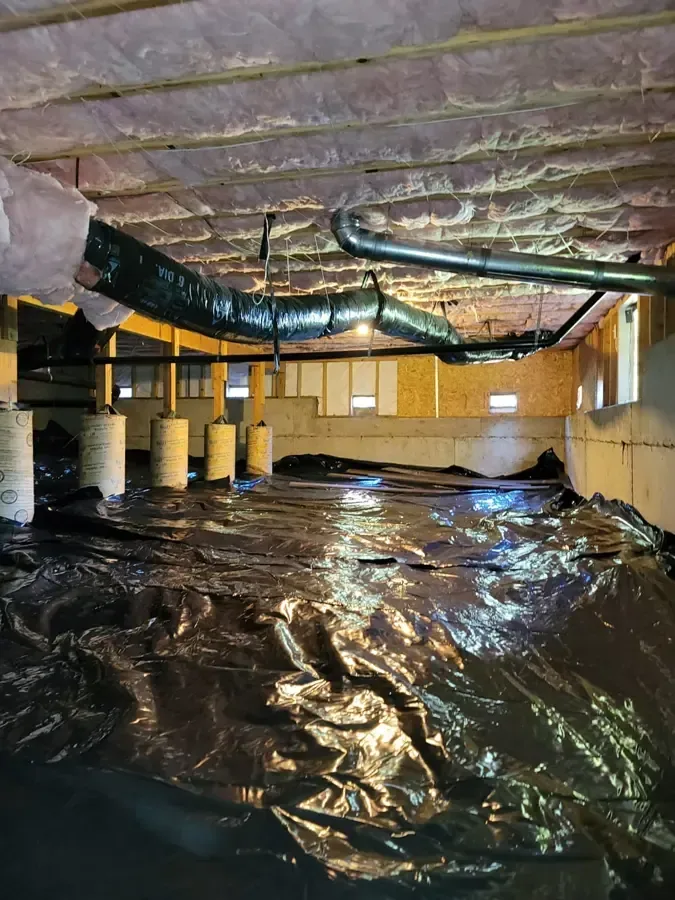
Crawl Space Water Removal
Where an underfloor cavity exists, safe access comes before pumping, insulation assessment and joist drying.
Crawl Space Water Removal details
Structural Drying and Dehumidification
Airflow and dehumidification follow material readings until the retained assembly reaches its documented goal.
Structural Drying and Dehumidification details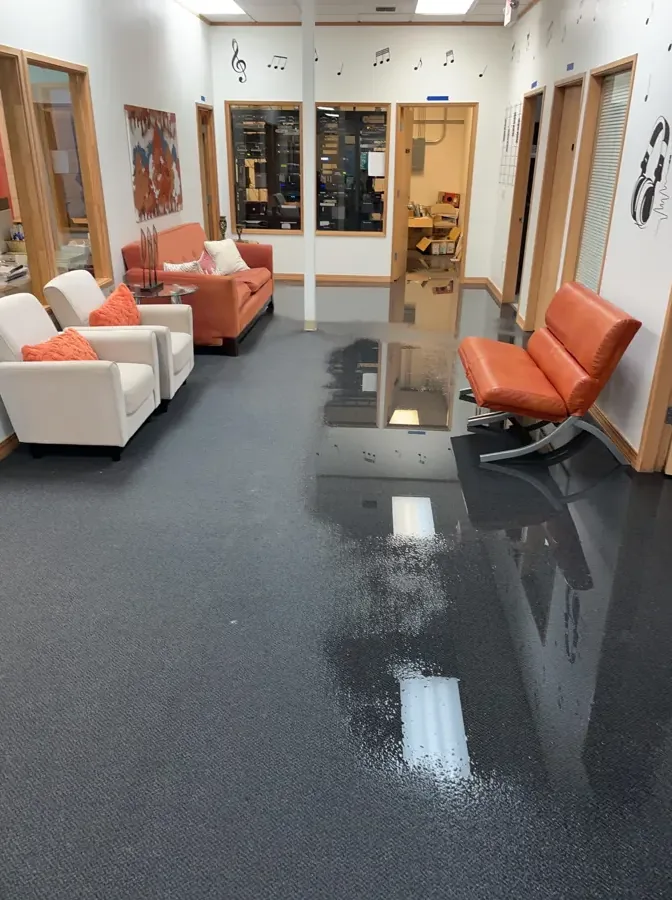
Commercial Water Damage
Business losses need clear work boundaries, inventory records and drying plans around safe occupied areas.
Commercial Water Damage details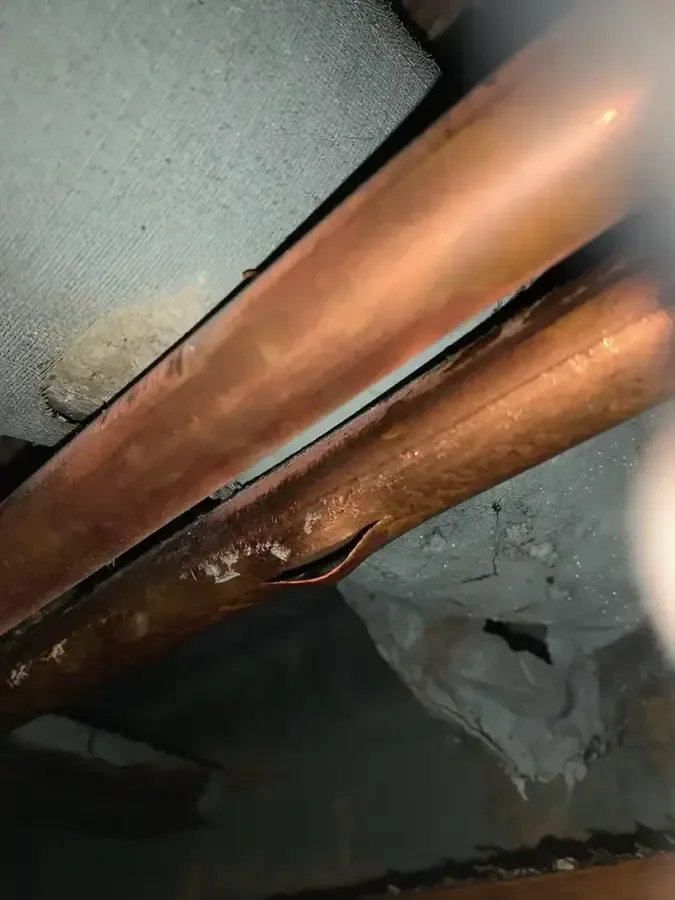
Frozen Pipe Water Damage
Thawing can reveal a damaged supply run. The team checks exterior cavities and adjoining rooms.
Frozen Pipe Water Damage details
Basement Flooding Cleanup
Lower-level removal begins with utilities and the entry route, then addresses finishes and stored contents.
Basement Flooding Cleanup details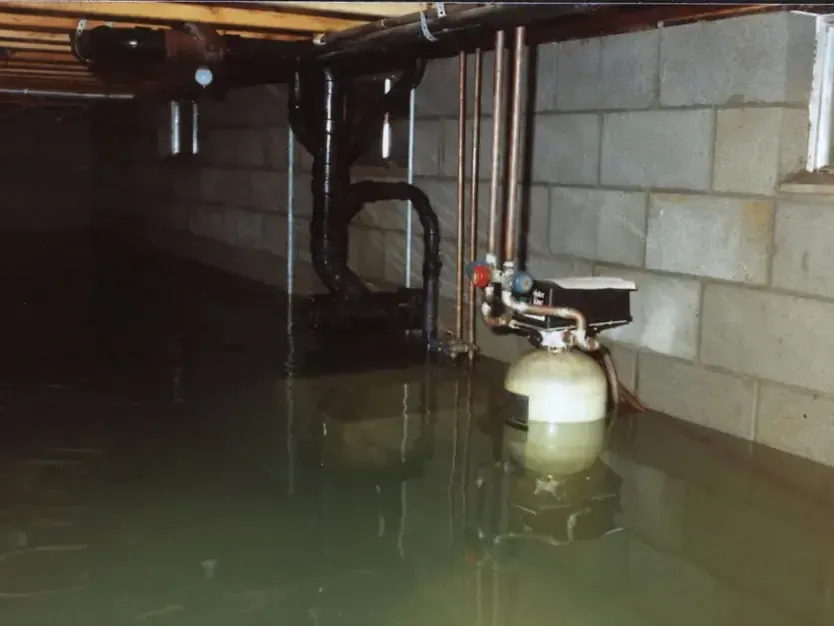
Sump Pump Failure Cleanup
Pit overflow needs dependable discharge and careful checks along walls, shelving and concealed floor edges.
Sump Pump Failure Cleanup detailsWhat to do before the cleanup begins
The drying team explains what is wet, why an opening is needed and how progress will be checked. Material decisions follow the building, the water category and the available access.
(888) 629-3140Discuss safe access and water removal- Keep the room safe
Residents stay out of water near outlets, cords or utility equipment and keep children and pets away.
- Control a known source
An accessible valve can stop replenishment when it can be reached safely from a dry position.
- Record the initial damage
Photos taken without entering unsafe areas preserve the source, wet boundary and affected contents before cleanup.
- Avoid spreading contamination
Wet belongings stay separate from clean rooms, especially after sewage or outdoor water enters the building.
- Describe the affected assembly
The response team needs the source, rooms, continuing flow and any ceiling or electrical concern to plan access.
How the dry-out works
Inspect the source
The technician checks the release, safe access and affected rooms, then maps the wet materials and records dry comparison readings.
Extract and expose
Pumps and extraction tools remove liquid water. Necessary openings provide access to trapped moisture and unsalvageable materials.
Control the environment
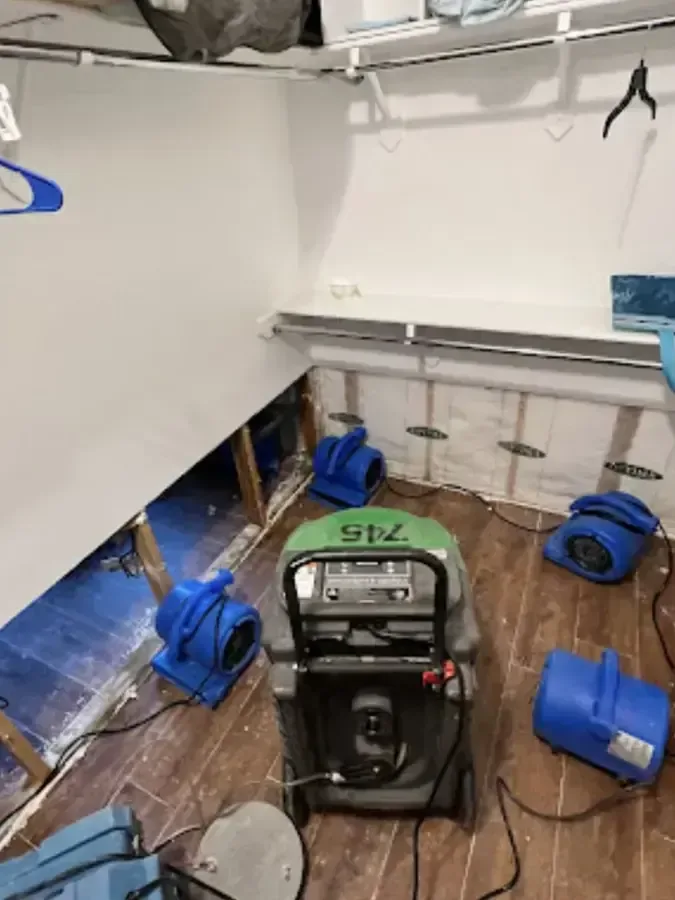
Air movers support evaporation while dehumidifiers remove released moisture. The team adjusts placement when readings show a stalled area.
Verify before repairs
Final checks document retained materials. Finish replacement follows those results and any product-specific installation requirements.
Water damage restoration across Wakefield and nearby towns
One call reaches Wakefield water damage pros, 24/7
The response team assesses leaks, flooded rooms and sewage exposure throughout the listed area. The work plan follows the source and affected materials.
The first conversation covers ongoing water, electrical concerns and access so the crew can plan the next safe step.
Wakefield, MA · [email protected]
View the full service areaNeighborhoods and local landmarks
ZIP served
Nearby communities
What a water damage dry-out looks like in Wakefield
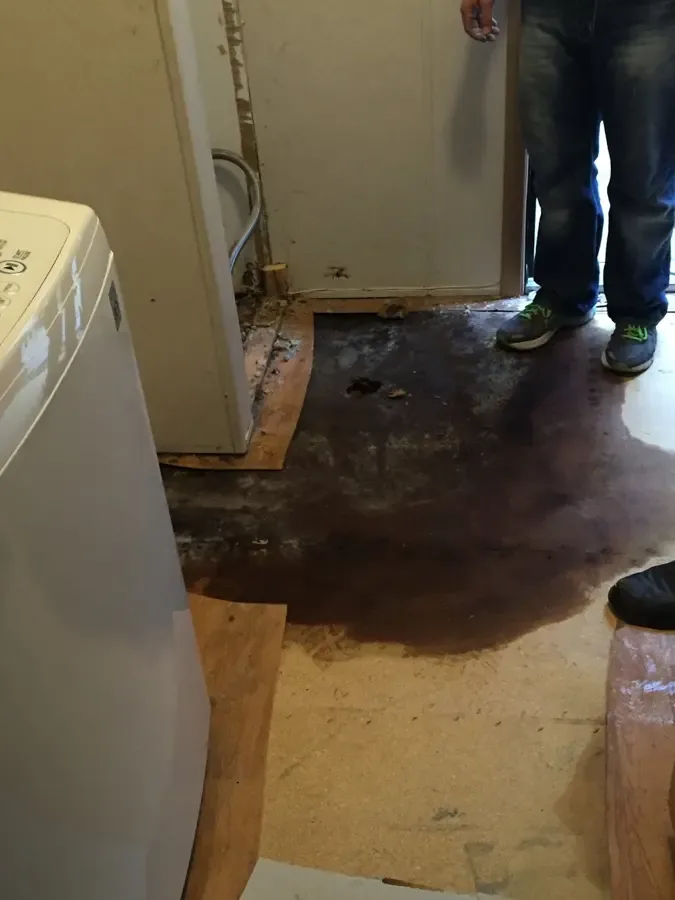
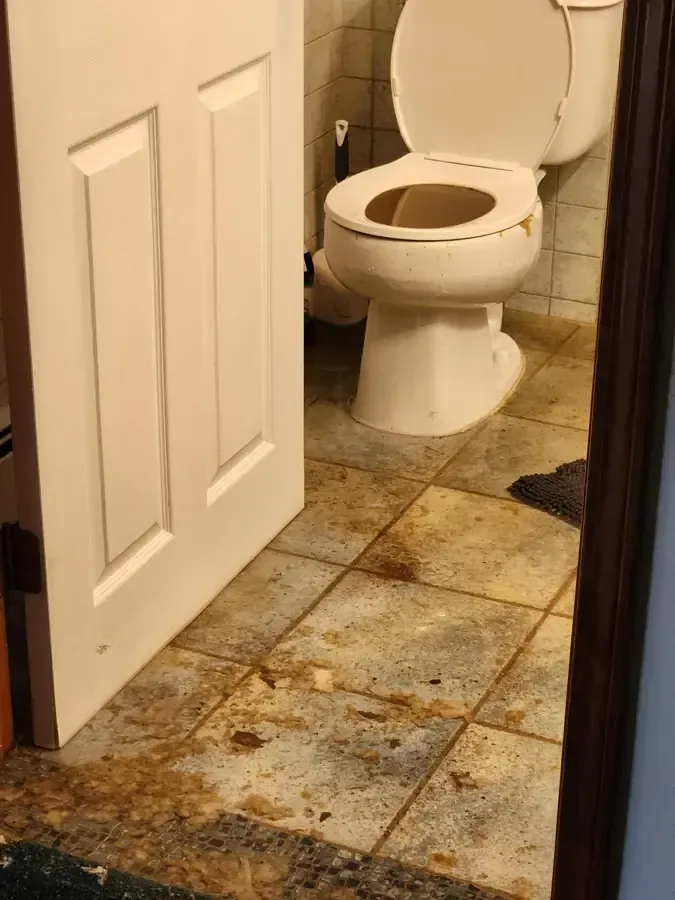
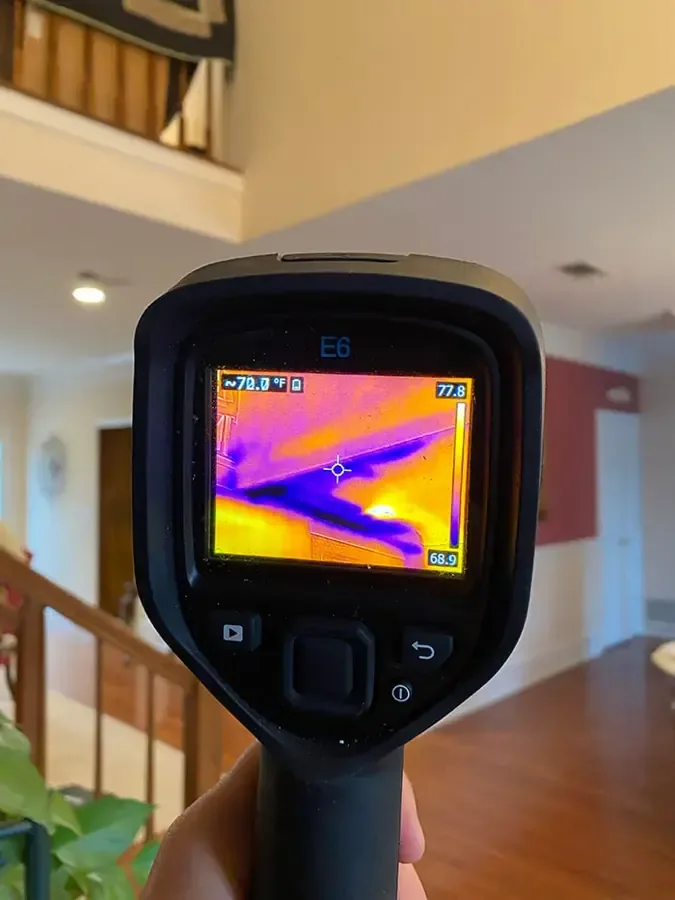
How local water damage work stays accountable
Rapid local response
The response team maintains 24/7 dispatch and prioritizes active water, contamination and unsafe room conditions when planning the assessment.
IICRC S500 drying standard
The crew uses a structured assessment and drying process, with equipment chosen for the wet assembly and its evaporation load.
Claim-ready documentation
Photographs, material quantities and daily readings explain the mitigation scope and preserve the sequence from discovery through drying verification.
Local water experts
The assessment accounts for cold winters, rainy springs and the actual source in each home, with direct inspection of foundation access and the affected plumbing.
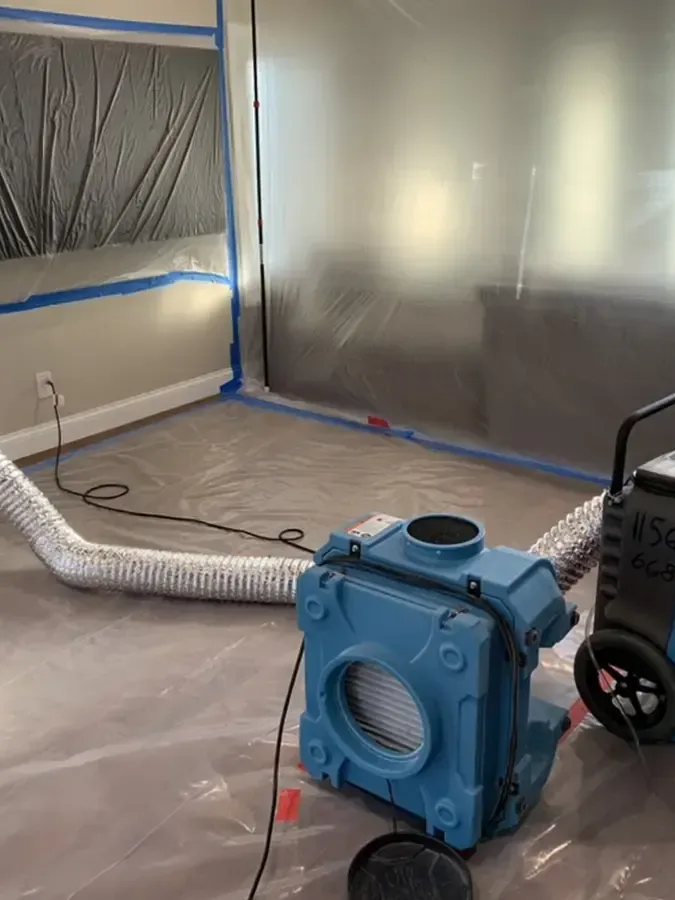
Documentation for your insurance claim
The mitigation file explains the water path and the work performed. Clear records help the household discuss the loss with an adjuster without confusing source repair with drying.
- Time-stamped photographs before material removal
- Room measurements and the moisture map
- Water category and affected assembly notes
- Daily moisture and indoor-condition logs
- An itemized mitigation scope and equipment record
Coverage belongs to the policy
The insurer decides coverage. Sudden supply damage, sewer backup and outdoor flooding may fall under different terms or endorsements.
The household should check its own policy and ask the insurer about the cause, deductible, documentation and any separate repair items.
What does water damage restoration cost in Wakefield, MA?
A contained residential water loss commonly costs $1,000 to $6,000 to mitigate, while extensive flooding or sewage can exceed that range. The source, affected area, access and material decisions matter more than the size of the first visible puddle.
Contained room
$1,000 to $2,500
- Accessible extraction
- Limited wet finishes
- Initial drying checks
Several wet assemblies
$2,500 to $6,000
- Cavity assessment
- More equipment
- Daily documentation
Extensive contamination
$6,000 to $12,000+
- Controlled removal
- Detailed cleaning
- Broader drying scope
The water damage cost calculator offers planning ranges only. Plumbing, appliance replacement and reconstruction can require separate scopes; the on-site inspection determines the actual work.
All water damage categories covered in Wakefield, MA
Category 1: clean source
A fresh supply release can still spread beneath finishes. Early extraction and moisture mapping help establish which materials can remain.
Follow a supply releaseCategory 2: contaminated water
Used appliance water requires assessment of exposure and cleaning access. The crew checks backing, underlayment and cabinet bases before choosing salvage.
Inspect appliance waterCategory 3: sewage or dirty floodwater
Controlled removal and cleaning precede drying. Porous materials touched by severe contamination need a different plan from a clean supply loss.
Review sewage cleanup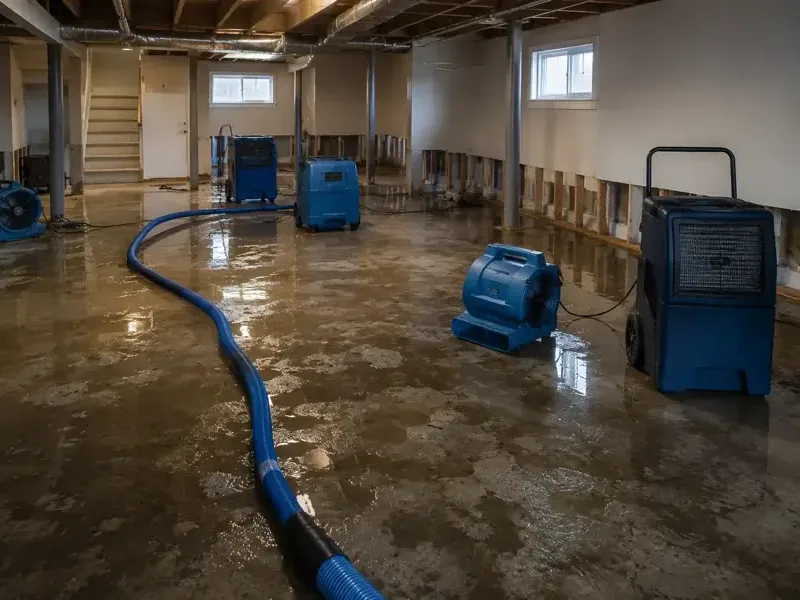
August 24, 2020: A severe thunderstorm with a microburst caused especially heavy damage in Greenwood. Storm assessment needs both the exterior source and the interior water path.
Cold winter exposure
Frozen plumbing can release water during a thaw. The team checks the actual pipe location and nearby cavities rather than assuming all exterior walls behave alike.
Rainwater overhead
A roof opening can wet insulation before the ceiling stains. Roof repair and interior drying address separate parts of the same release.
Utility and household leaks
The Water Department maintains distribution infrastructure and performs leak detection. A private building release still needs its own plumbing diagnosis and moisture map.
Water under finishes
A small visible patch can hide water beneath flooring or cabinet bases. Direct material checks establish the scope beyond the surface.
Lower-level accumulation
A flooded room requires an electrical and source assessment before pumping. Continued entry must be controlled so the drying setup can make progress.
Water damage restoration questions in Wakefield
What happens during the first assessment?
The technician checks the water source, electrical exposure and room access, then measures the visible and concealed wet boundary. That assessment supports extraction, material decisions and the initial drying setup rather than a generic equipment count.
Is help available overnight?
The response team maintains 24/7 dispatch for active water damage. The first conversation covers the source, rooms and immediate hazards. Weather, access and current conditions shape the practical next step; a fixed minute arrival promise is not assumed.
Can the household clean up before the crew arrives?
Residents can document damage from a safe, dry position and keep clean belongings away from the wet area. Standing water near electricity, sewage and unstable ceilings require professional assessment. Household vacuums and improvised chemical mixtures are unsuitable.
Why does the crew test outside the visible puddle?
Water travels through floor layers, wall cavities and openings between rooms. The visible edge can understate the affected area. Testing beyond it helps prevent a hidden wet pocket from being covered during repairs or omitted from the drying plan.
How long does structural drying take?
The material, saturation depth, access and indoor environment control the pace. A planning estimate is useful, but repeated readings decide completion. Dense concrete and concealed assemblies can need a different approach from exposed wood or wallboard.
Does the crew remove every wet finish?
Removal depends on damage, contamination and effective drying access. Some materials can remain; others cannot be cleaned or dried reliably in place. The technician explains each decision and documents the condition before removal changes the room.
What does an insurance claim file include?
Photographs, moisture maps, affected material quantities and equipment logs explain the mitigation. The insurer decides coverage under the policy. Source repair, water removal and replacement finishes should remain distinct so the household can discuss each item clearly.
Is sewage handled differently from a supply leak?
Yes. Sewage is Category 3 and requires controlled removal, cleaning and appropriate treatment before drying. Contaminated porous materials need a different salvage decision from a fresh supply release, even if both leave a similar-looking puddle.
When can repairs close the wall or floor?
The retained materials need verified drying, and the source must be controlled. Flooring products can also require specific moisture tests. The closing record should identify the measured areas and any specialist work still needed before finishes return.
Water damage in Wakefield needs a measured response
The restoration team traces the release, removes water and documents the material readings that support the next repair step.
(888) 629-3140Arrange a local water-loss assessment