Water Damage Restoration Reading, MA
A wet doorway can hide a much larger loss beneath flooring. Reading water damage restoration starts by finding the source, tracing the spread and choosing a safe route into damaged rooms.
(888) 629-3140Discuss the wet roomsRoom use, water source and concealed moisture shape the work before damaged finishes are removed or equipment is positioned.
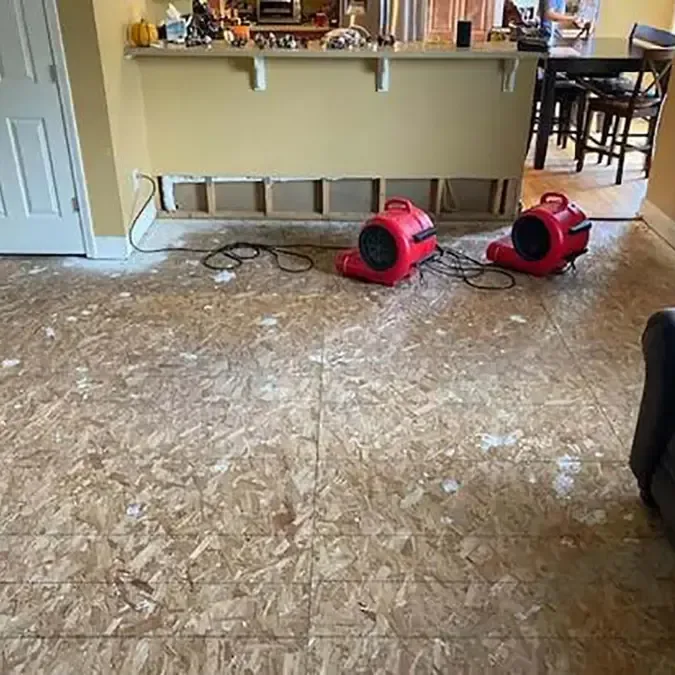
Outdoor drainage and indoor damage need separate checks
The Stormwater Management Program maps drainage infrastructure, while the Sewer Division investigates backup complaints. Inside a building, the water source and its route determine the cleanup work.
From source control to ready for repair
Water extraction removes pooled water; structural drying addresses retained moisture. The transition between those tasks follows inspection results, rather than the appearance of the floor alone.
Different leaks need different starting points
A roof drip, overflowing drain and broken supply pipe create different problems. The service choices below explain what gets inspected, removed and dried in each situation.

Water Extraction and Removal
Standing water removal targets coverings and damp edges before retained materials receive drying.
Water Extraction and Removal details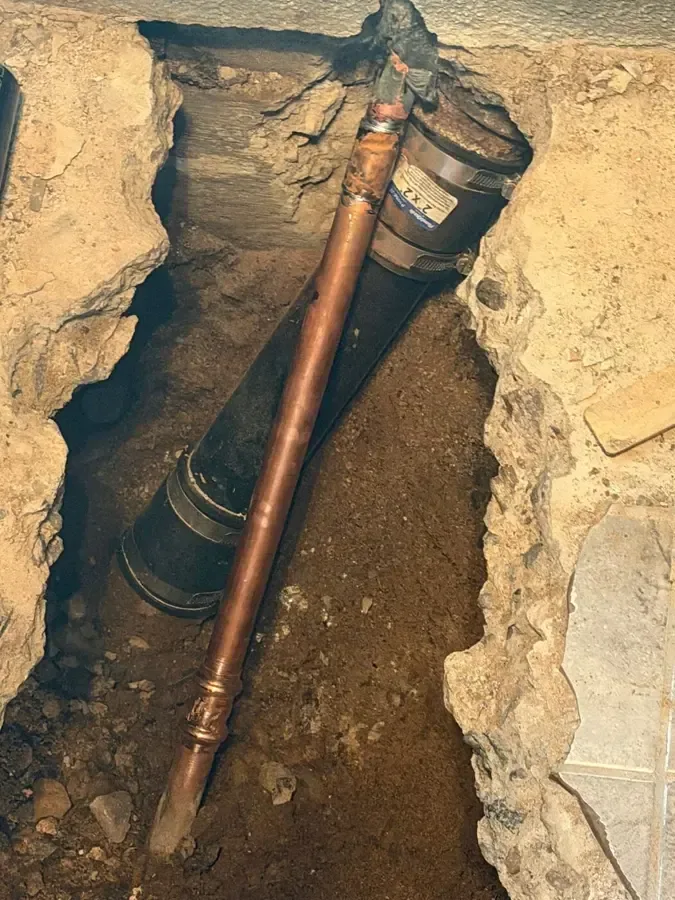
Slab Leak Water Damage
Moisture beneath concrete floor finishes needs plumbing investigation and checks of the affected substrate.
Slab Leak Water Damage details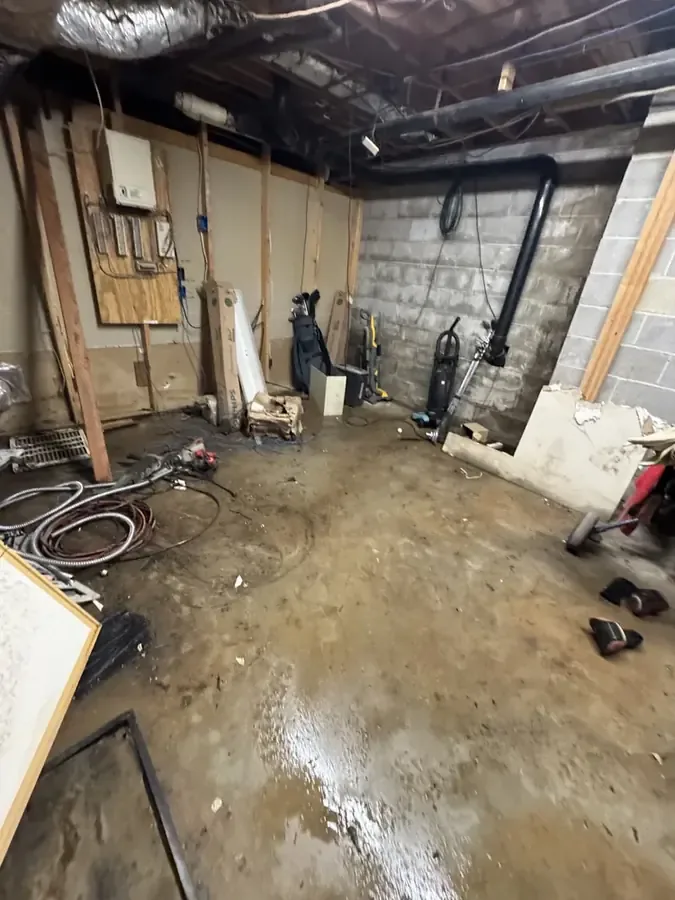
Sewage Backup Cleanup
Contaminated drain water requires restricted access, careful disposal decisions and cleaning before air movement begins inside the affected room.
Sewage Backup Cleanup details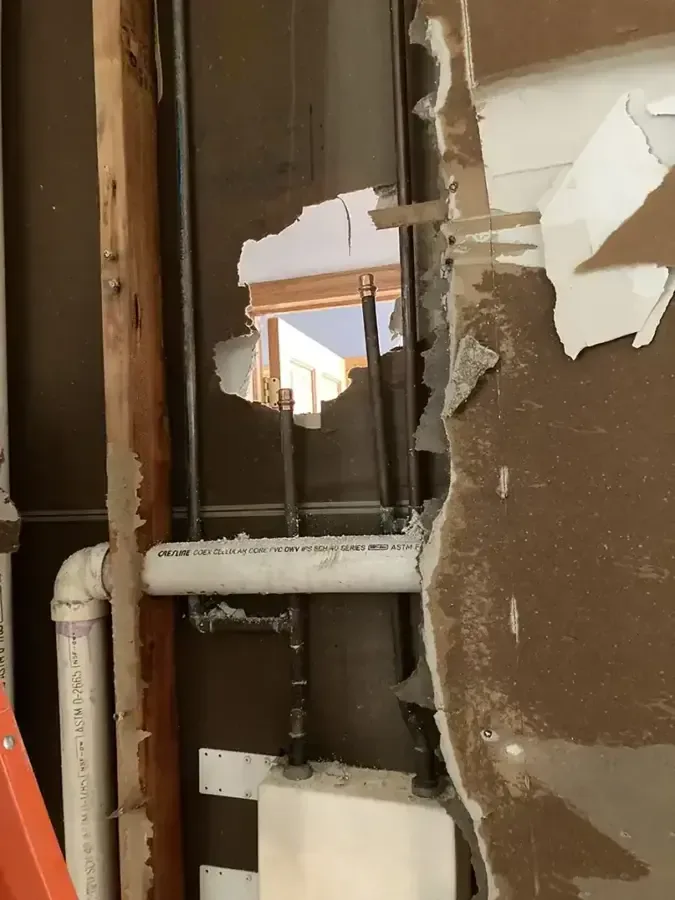
Burst Pipe Water Damage
An isolated pipe break can still leave wet walls and lower rooms that need separate inspection and drying access.
Burst Pipe Water Damage details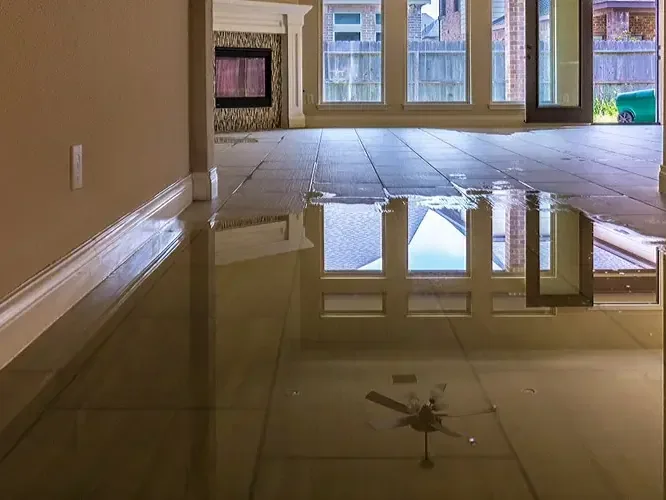
Storm and Flood Cleanup
Outdoor water brings a different cleanup scope, including entry tracking, debris handling and assessment of porous interior materials.
Storm and Flood Cleanup details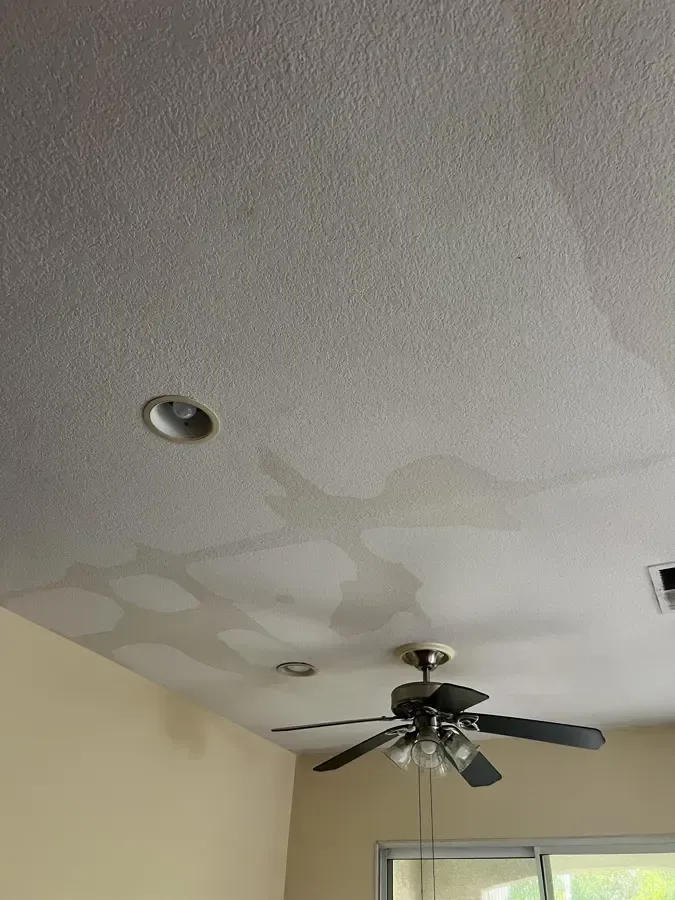
Roof Leak Water Damage
A roof opening can wet insulation and framing well beyond the first ceiling mark visible from the room below.
Roof Leak Water Damage details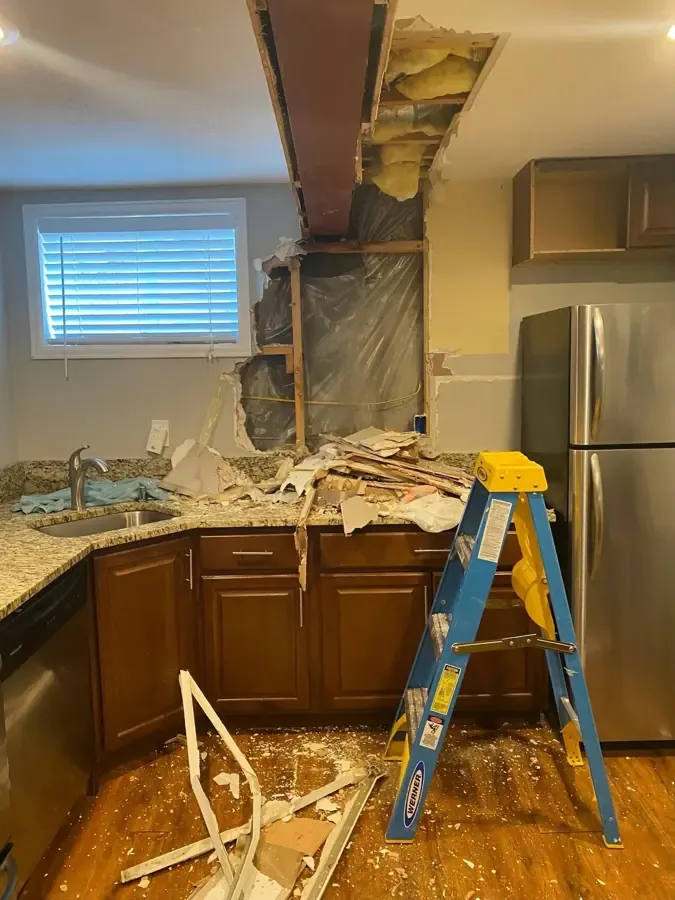
Ceiling Leak Water Damage
An overhead stain calls for a stability check and source tracing before anyone opens the wet ceiling surface.
Ceiling Leak Water Damage details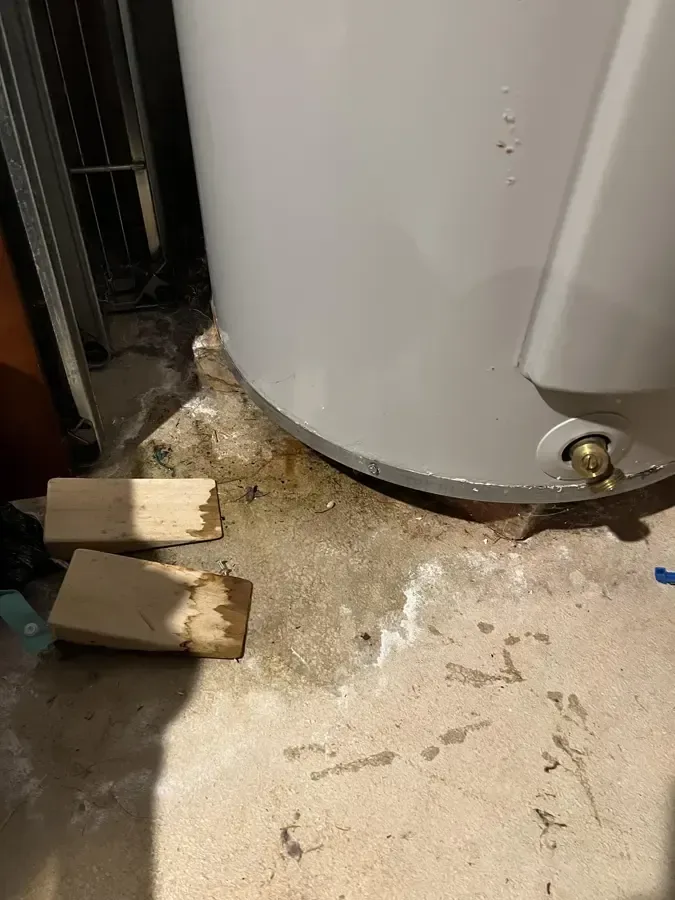
Water Heater Leak Cleanup
Water around a tank can spread beneath a platform or adjoining partition, leaving hidden materials wet after replacement.
Water Heater Leak Cleanup details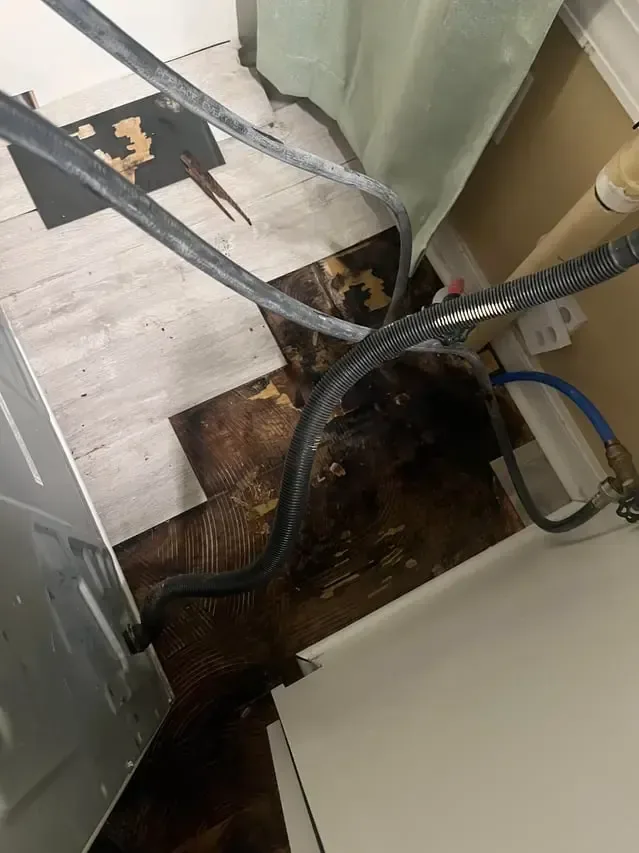
Appliance Leak Water Damage
A washer hose or dishwasher connection can soak cabinet bases and floor seams while the visible spill stays small.
Appliance Leak Water Damage details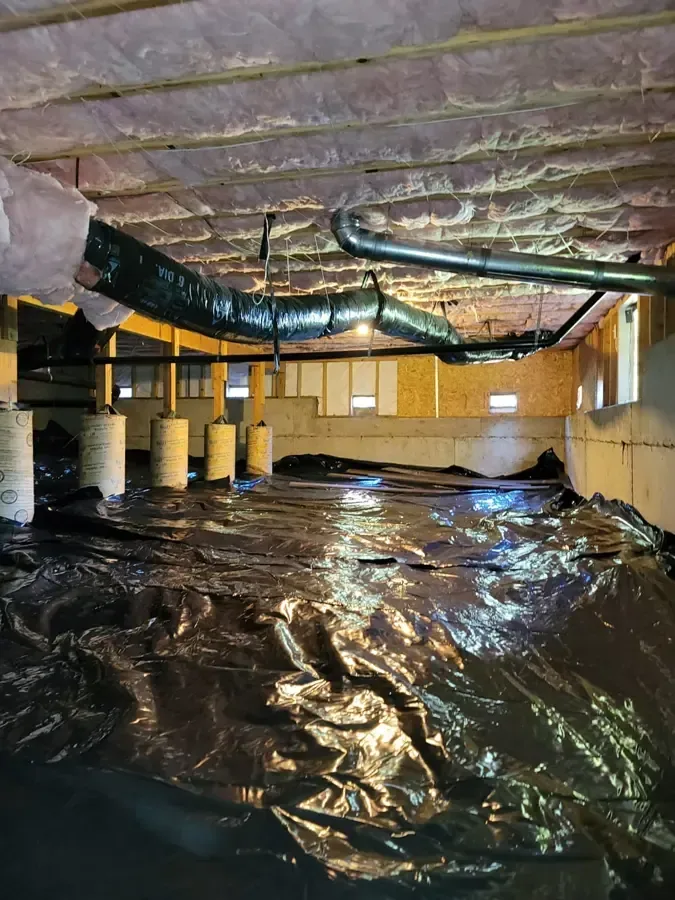
Crawl Space Water Removal
Low cavities need access planning, safe water removal and inspection of insulation pressed against damp floor framing.
Crawl Space Water Removal details
Structural Drying and Dehumidification
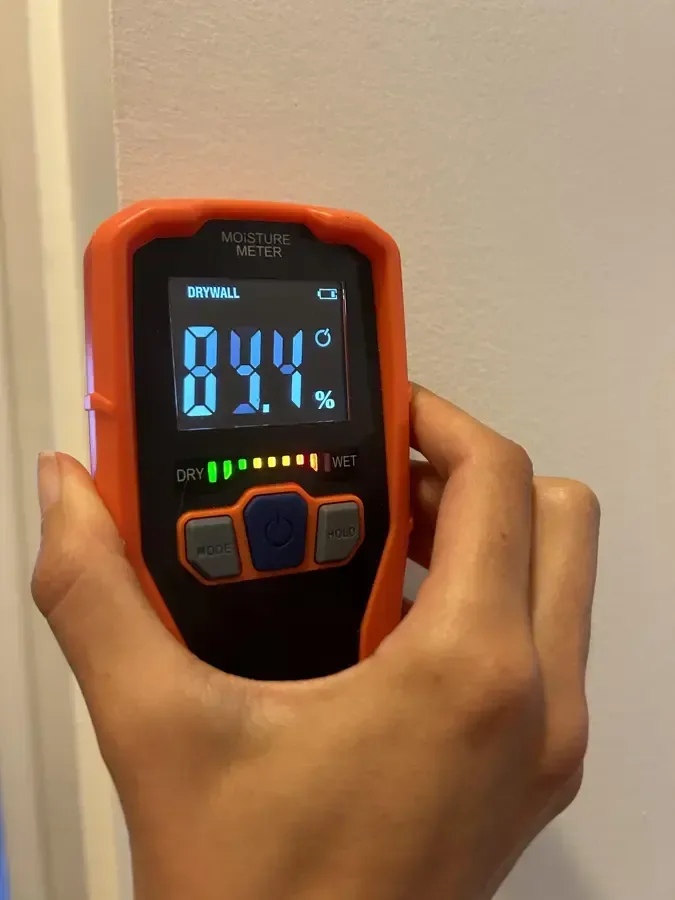
Material readings track drying progress and show when retained framing and flooring are ready for repairs.
Structural Drying and Dehumidification details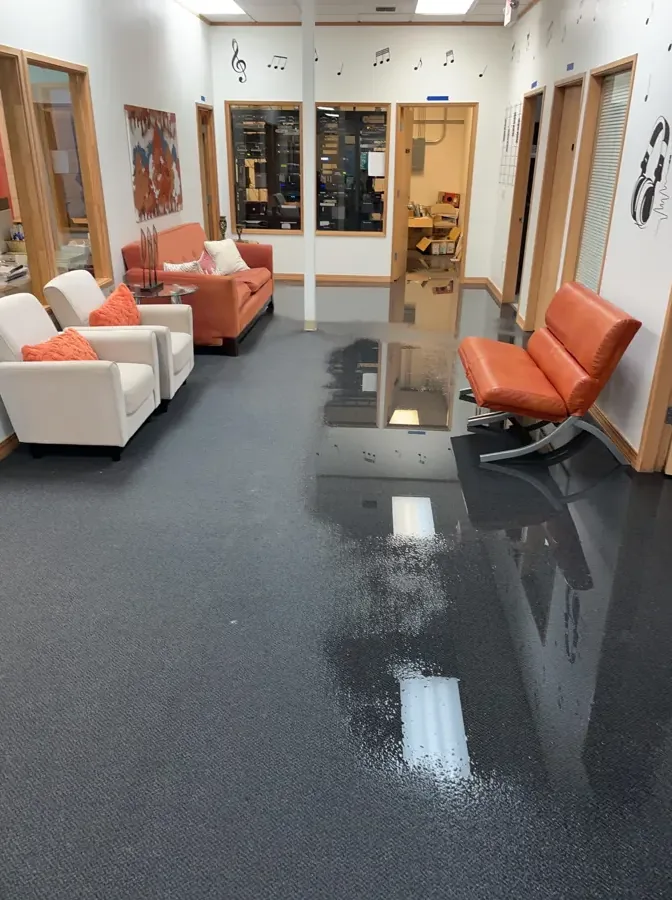
Commercial Water Damage
Business cleanup organizes wet stock, work zones and access around the building's actual operating needs.
Commercial Water Damage details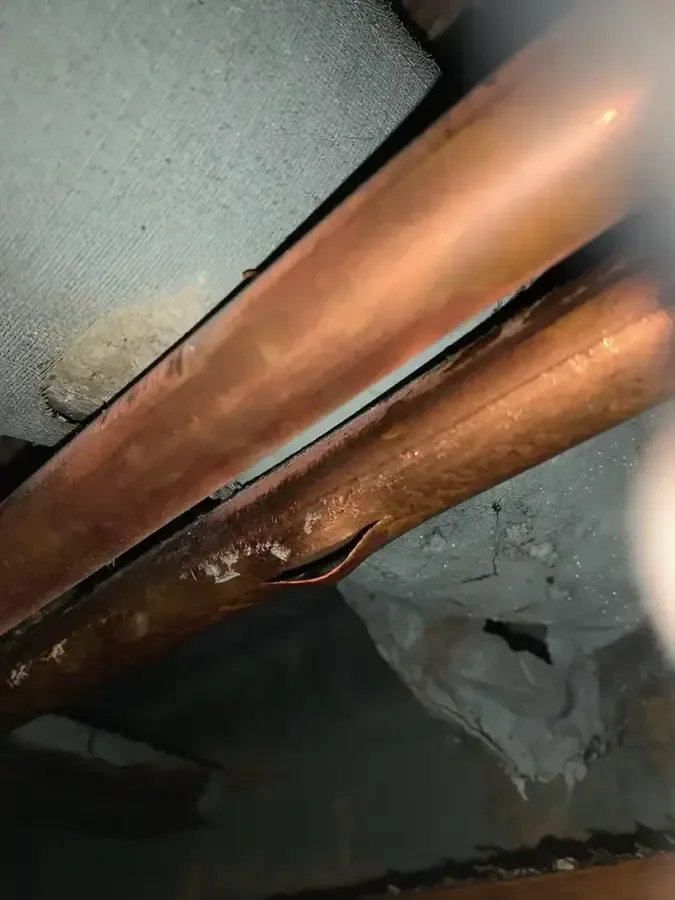
Frozen Pipe Water Damage
Thawing can reveal a damaged pipe, requiring checks of newly wet cavities and lower rooms.
Frozen Pipe Water Damage details
Basement Flooding Cleanup
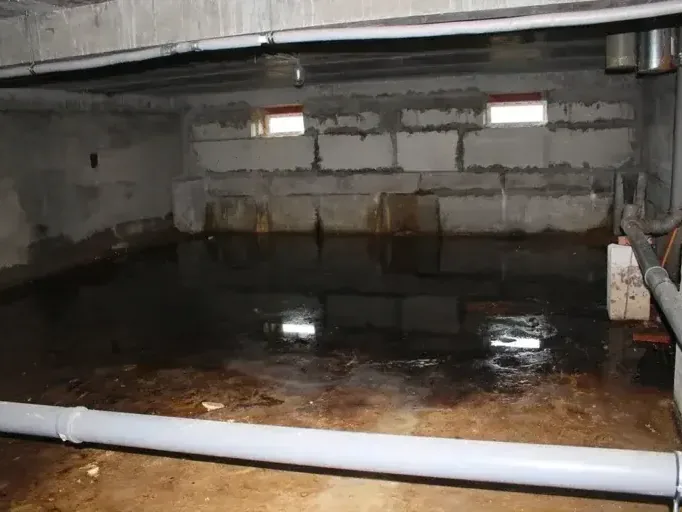
Lower rooms need source identification and a safety check before water removal, contents handling or finish removal begins.
Basement Flooding Cleanup details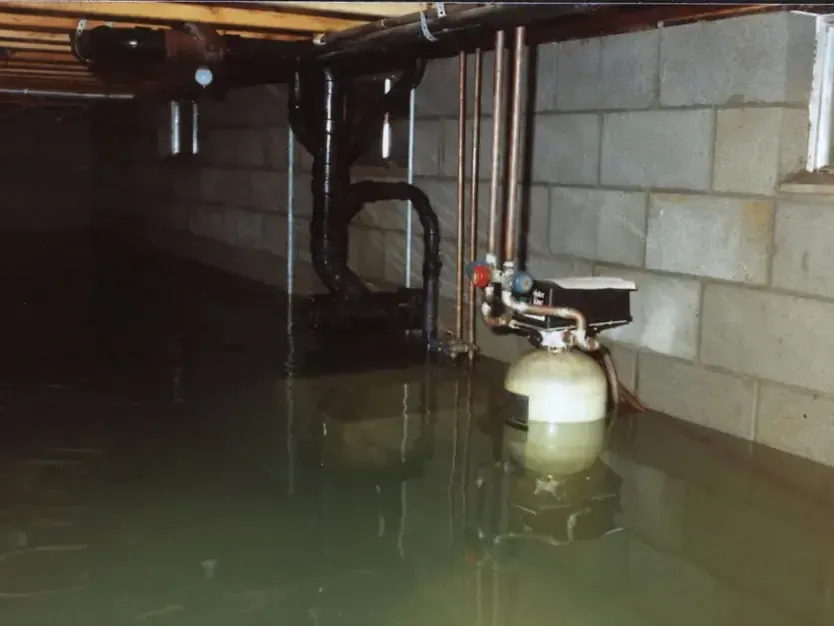
Sump Pump Failure Cleanup
Overflow around a sump requires checking the pump problem and drying the rooms reached by escaping water.
Sump Pump Failure Cleanup detailsKeep the first decisions practical
A good cleanup scope explains why each material stays or goes. Visible water, hidden cavities and the room's next use all matter when planning recovery after an indoor release.
(888) 629-3140Explain the building access- Stay outside unsafe areas
Water near wiring, a sagging ceiling or contaminated drainage makes entry unsafe until the hazard is assessed.
- Stop a reachable source
An accessible shutoff may limit a supply leak, but reaching it must not require crossing water or disturbing wet electrical equipment.
- Record the visible spread
Photographs from a dry position can show the discovery conditions, damaged belongings and the route water followed between adjoining rooms.
- Protect clean walking routes
Keep children, pets and unaffected belongings away from the wet area so contaminated material does not travel through occupied rooms.
- Describe the loss clearly
The initial conversation should identify the water source, affected surfaces, current leakage and any access limits around the damaged space.
How the dry-out works
Locate the release path
Inspection starts at the apparent source and extends through floor edges, penetrations and rooms beneath the visible damage.
Remove what blocks recovery
Standing water and unsalvageable wet materials are addressed so the retained assembly can be cleaned and reached by drying equipment.
Track changing moisture levels
Repeat observations at marked locations show which surfaces are improving and which cavities require a different equipment arrangement.
Prepare the repair handoff
Final condition notes identify retained materials, completed drying work and any remaining building repairs needed before the space returns to use.
Water damage work across Reading
Describe access along with the damage
Downtown businesses and Bear Hill Street condominiums can have different entry arrangements. Building contacts, keys and parking instructions belong in the initial discussion.
For homes around Haverhill Street, the affected room and safe equipment path help establish what the response team needs to assess first.
Reading, MA · [email protected]
Explore the wider service areaPlaces and access corridors
Local ZIP
Other service areas
The assemblies behind a finished room
Drying follows the building, room by room
Visible scope boundaries
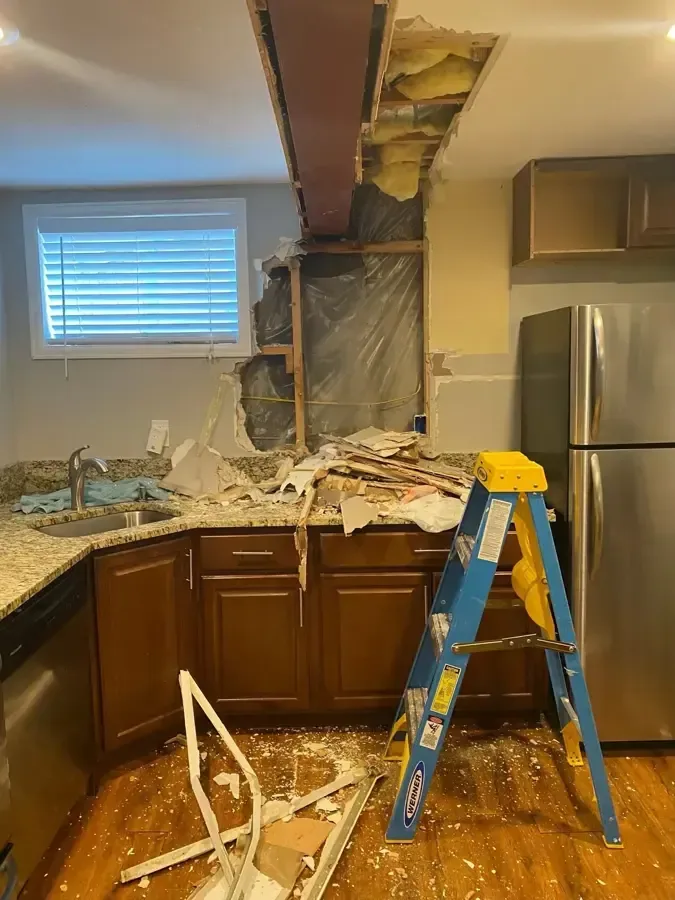
Written room descriptions separate wet finishes from unaffected areas, making it easier to understand removal decisions before repair work starts.
Equipment with a purpose
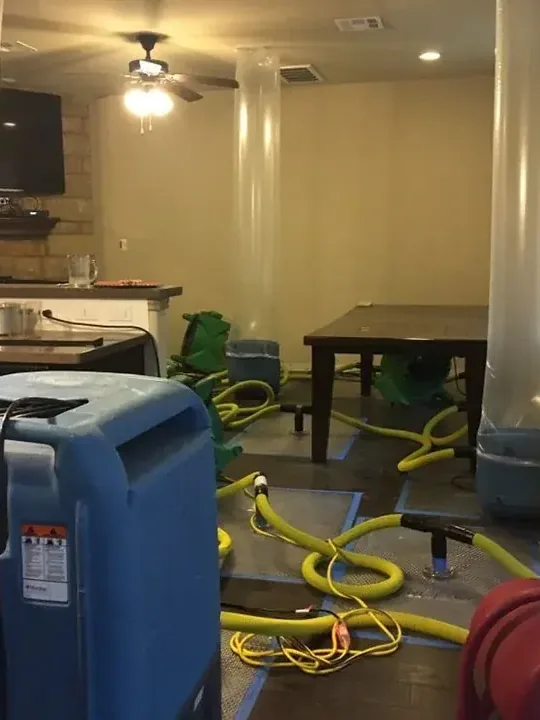
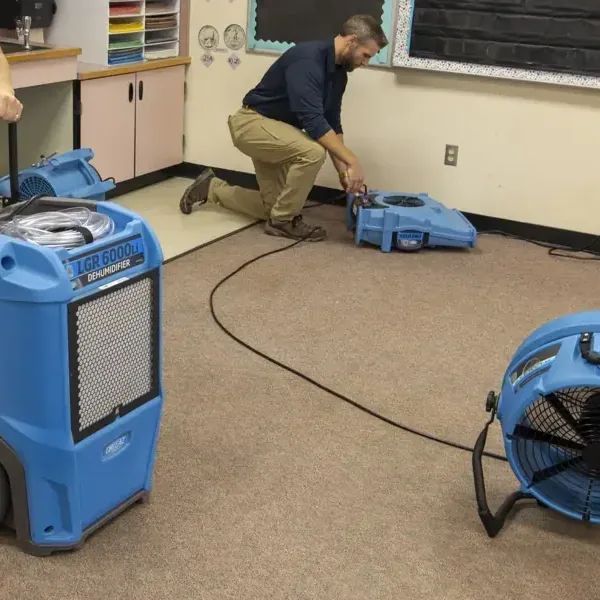
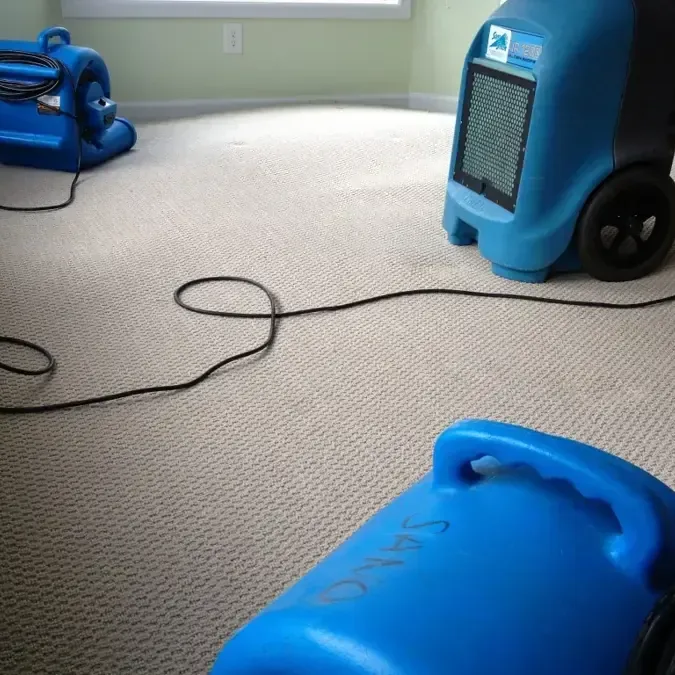
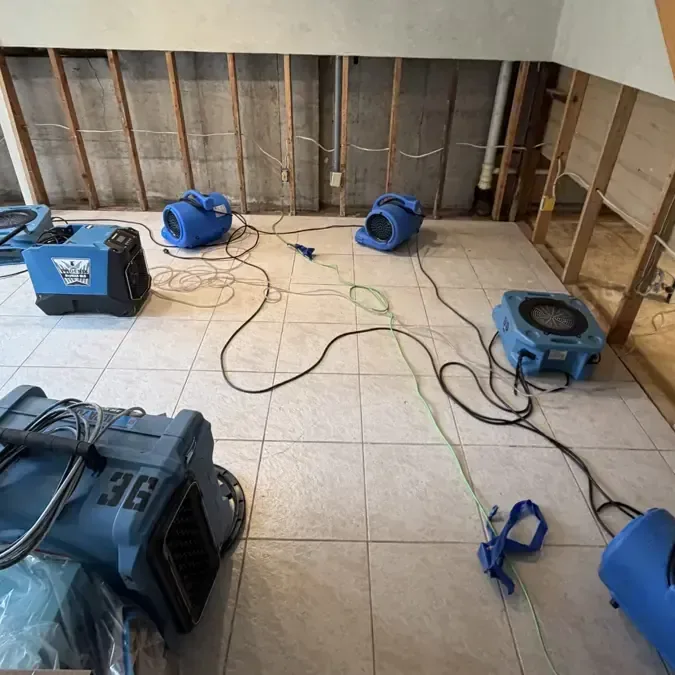
Air movement and humidity control are matched to the exposed assembly, with adjustments when retained materials stop making useful drying progress.
Records for later repairs
Photographs and moisture notes preserve the location of hidden damage before cavities are covered and the original evidence becomes harder to see.
Attention to occupied space
Protected paths and clear access instructions help residents move around unaffected rooms while the damaged area remains separated for cleanup work.
Separate observations from coverage decisions
A clear file connects the initial leak with the rooms and belongings it affected. The insurer checks coverage; restoration records explain the physical damage and work performed.
- Photographs before contents or finishes move
- Discovery date and visible source details
- Room list with damaged material descriptions
- Invoices for source correction and mitigation
- Moisture notes linked to specific inspected locations
When paying for the work directly
A written scope should distinguish necessary drying work from optional finish upgrades, allowing the owner to compare the same tasks across proposals.
Access restrictions, disposal needs and concealed wet layers can alter that scope after inspection, so changes should be explained before additional work proceeds.
What affects water cleanup cost in Reading?
The estimate depends on how much material became wet, whether contamination is present and how easily crews can reach concealed damage. A small exposed spill differs from water beneath cabinets or across several occupied rooms with multiple finish layers.
Small accessible loss
$1,000 to $2,500
- Initial extraction
- Surface assessment
- Focused equipment placement
Several wet assemblies
$2,500 to $6,000
- Cavity inspection
- Material separation
- Ongoing moisture checks
Extensive interior spread
$6,000 to $12,000+
- Broader removal
- Contamination management
- Detailed drying records
These planning ranges depend on the inspected damage. Plumbing correction, roof repair, replacement finishes and other reconstruction work need clear treatment in the written scope.
The source changes the cleanup decision
Supply pipe release
Water from a broken supply pipe still needs prompt removal and material checks, especially after traveling through dirty cavities or stored belongings.
Trace the broken pipeEquipment overflow
A machine discharge can carry residue or remain hidden beneath cabinets. The appliance source and affected layers determine the necessary cleaning scope.
Inspect the appliance footprintSewer backup
Drain contamination requires a controlled work area, protection for adjoining rooms and careful decisions about absorbent flooring, wallboard and household contents.
Separate the contaminated areaDrainage and runoff: The Stormwater Management Program maps drainage infrastructure and addresses construction runoff. Indoor cleanup starts by tracing the route water took into the building.
Outdoor entry routes
Bare Meadow Conservation Area connects to wetland areas including North Cedar Swamp and South Cedar Swamp. At a flooded property, inspect the actual doorway, window or penetration where water entered.
Drain backup reporting
The Sewer Division operates the municipal sewer system and investigates backup complaints. Interior contamination still requires its own access restrictions, contents assessment and cleanup scope.
Shared building access
Private condominiums occupy a former installation site on Bear Hill Street. Water moving between units calls for coordination with the building contact and inspection of adjoining assemblies.
Meter and plumbing issues
The Water Division oversees meter installation and repair. A household release also needs identification of the damaged fixture or pipe and a separate drying assessment.
Business interruption
Downtown contains retail and service businesses, and Walker's Brook Road has commercial uses. Wet stock, customer entrances and utility access can all affect how cleanup is organized.
Questions after discovering water indoors
Does a dry floor mean the leak is resolved?
Surface dryness can hide moisture beneath a floor covering or behind a baseboard. The original source needs correction, and retained materials need checks at the layers water reached. A room should not be closed up solely because puddles disappeared.
Who handles a possible sewer backup?
The Sewer Division investigates municipal backup complaints. A plumber may also need to investigate building drainage. Cleanup inside the property addresses contaminated finishes, belongings and access, with the affected room separated from normal household traffic during the work.
Can furniture stay inside the wet room?
That depends on contamination, the furniture material and access for drying. Movable contents may need relocation to a clean protected space. Heavy pieces can conceal wet flooring, so their position should be included in the inspection and handling plan.
Should wet wallboard always be removed?
Removal depends on contamination, physical damage and whether the assembly can dry effectively. Some materials can remain with suitable access, while softened or contaminated layers may require removal. The explanation should identify the condition of each affected wall section.
What information helps during the first conversation?
Useful details include the suspected source, rooms involved, whether water is still entering and any electrical or ceiling concerns. Information about locked rooms, shared entrances or a tenant contact can also help arrange access to the damaged building.
Can cleanup start before an insurance decision?
Urgent protective work and the insurance decision are separate matters. The property owner should contact the insurer promptly and retain photographs, invoices and the mitigation scope. Policy terms and claim handling determine payment, rather than a restoration estimate alone.
How are drying machines selected?
Equipment choices follow the affected materials, room layout and access to concealed spaces. The drying team monitors conditions and adjusts placement as moisture changes. The goal is a suitable condition for repairs, supported by readings of the retained assembly.
Does a contractor need every room opened?
Inspection follows the water path. Unaffected rooms do not automatically need invasive work, but a ceiling below the leak or flooring across a doorway may warrant checks. Findings should explain the boundary between inspected dry areas and necessary opening work.
What should the final paperwork describe?
The record should identify the source reported, affected rooms, material removal, cleaning and drying work. Photographs and moisture observations help show what happened inside concealed areas. Remaining plumbing, roof or finish repairs should be distinguished from completed mitigation tasks.
Make the wet areas easier to assess
Reading property owners can describe the source, affected rooms and access conditions before the restoration team develops the cleanup scope.
(888) 629-3140Talk through the water damage