About Wakefield Water Damage Restoration
(888) 629-3140Discuss the affected materials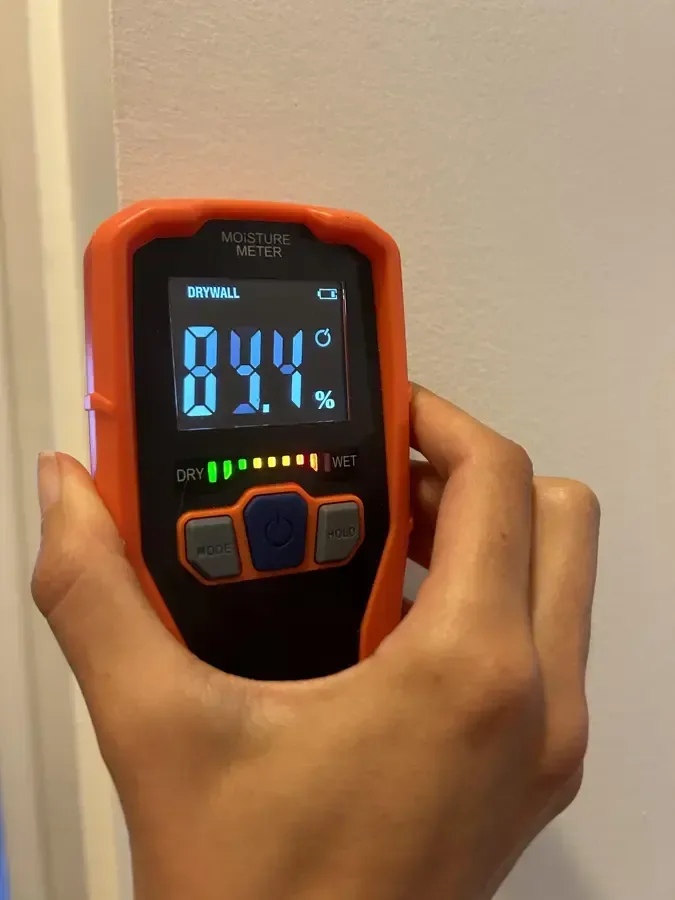
Water removal with a clear scope
The crew begins by identifying what is wet and how the water entered. A pipe repair, an appliance replacement and a dry-out serve different purposes. The written scope separates those tasks so the household can understand the work before finishes are removed.
Access matters as much as the visible puddle. The assessment follows moisture into adjoining rooms, floor edges and wall cavities, then records which materials need extraction, removal or continued drying.
What the restoration plan includes
Urgent damage assessment
The first conversation covers continuing water, affected rooms and hazards that could prevent safe entry.
Material drying checks
Readings guide equipment placement and show whether retained flooring and framing need more drying time.
A record of the loss
Photographs, moisture measurements and scope notes help explain material decisions and the work completed.
Property-specific planning
The room layout, source and access route shape the cleanup, from an isolated leak to water across several floors.
A local assessment for each building
Near Greenwood, Main Street or Crystal Lake, the technician checks the affected assembly and traces the water through the property. Foundation access, plumbing routes and floor layers determine where measurements and drying equipment are needed.
Coverage includes ZIP 01880 and nearby communities. Review service areas or contact the response team.
How progress is recorded
The IICRC S500 drying framework informs assessment and documentation. Moisture maps, photographs and daily readings explain equipment placement and material decisions. The drying team checks retained materials before repairs close the wall or floor.
A useful handoff identifies the areas checked, the materials retained and any repairs still required. The household can then discuss rebuilding with a clear record of the dry-out.
Understand the water before planning the repair
The restoration team assesses the source, wet materials and safe access before organizing extraction and drying.
(888) 629-3140Discuss a measured restoration scope