Water Damage Restoration North Reading, MA
A wet floor needs a clear next step. North Reading property owners can arrange extraction, concealed moisture checks and drying matched to the source, affected materials and occupied spaces.
(888) 629-3140Discuss the wet roomsReport whether water is still entering, which rooms are affected and whether access involves stairs or electrical hazards.
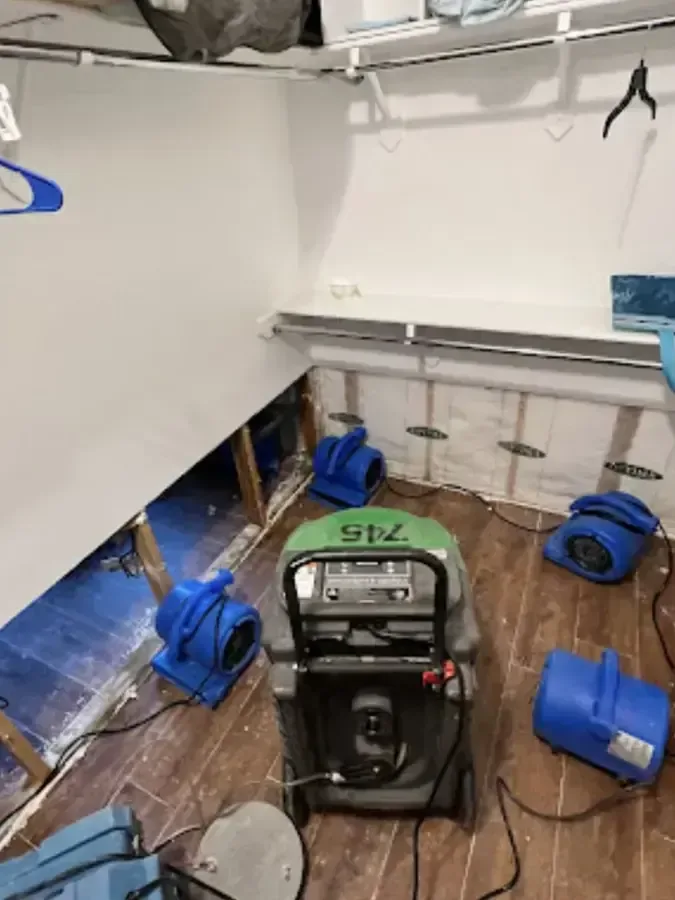
Flood history and everyday plumbing both matter
The Ipswich River and Martins Brook appear in the town's flood history. Indoor leaks require equal attention, including quiet losses beneath fixtures and water hidden behind finishes.
The puddle disappearing is an early milestone
Surface water can leave quickly while framing or flooring stays damp. A staged plan keeps removal, material evaluation and final moisture verification connected throughout the job.
Choose the problem visible at the property
Different releases need different work. Select the source or affected space below to understand removal, access and drying decisions before discussing the property with the restoration team.

Water Extraction and Removal
Remove pooled water, then check where liquid disappears beneath trim and adjoining finishes.
Water Extraction and Removal details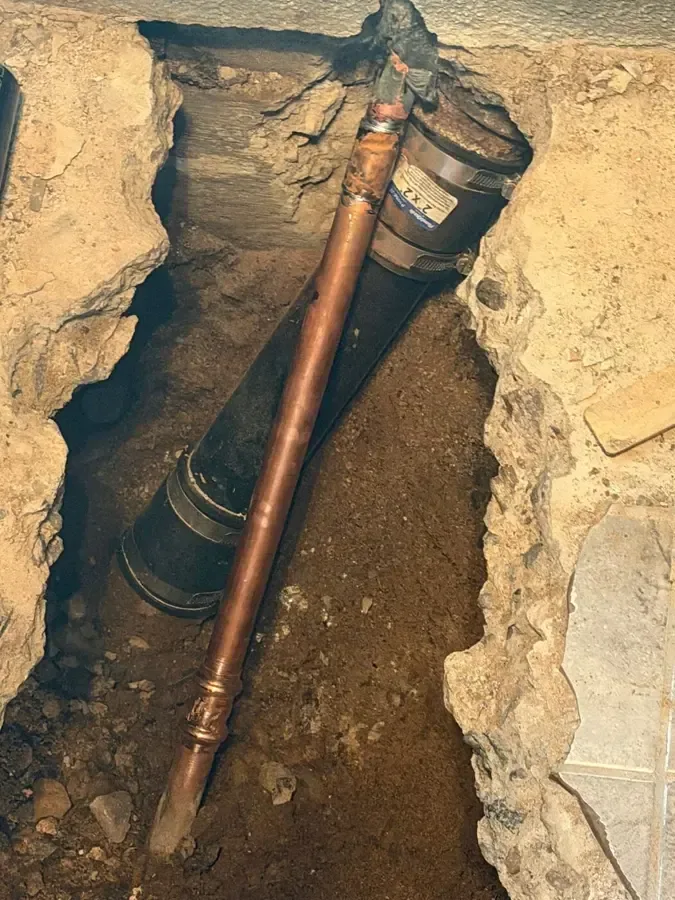
Slab Leak Water Damage
Investigate persistent moisture alongside water use, separating plumbing diagnosis from drying concrete and finishes.
Slab Leak Water Damage details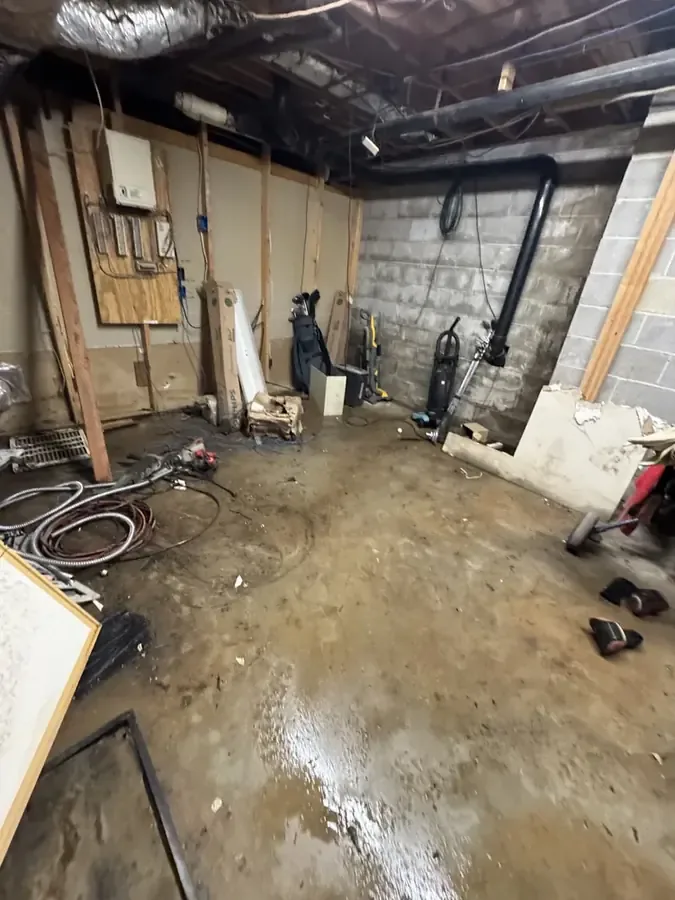
Sewage Backup Cleanup
Restrict contaminated rooms while a cleanup plan addresses soiled materials, affected surfaces and the drain problem behind the backup.
Sewage Backup Cleanup details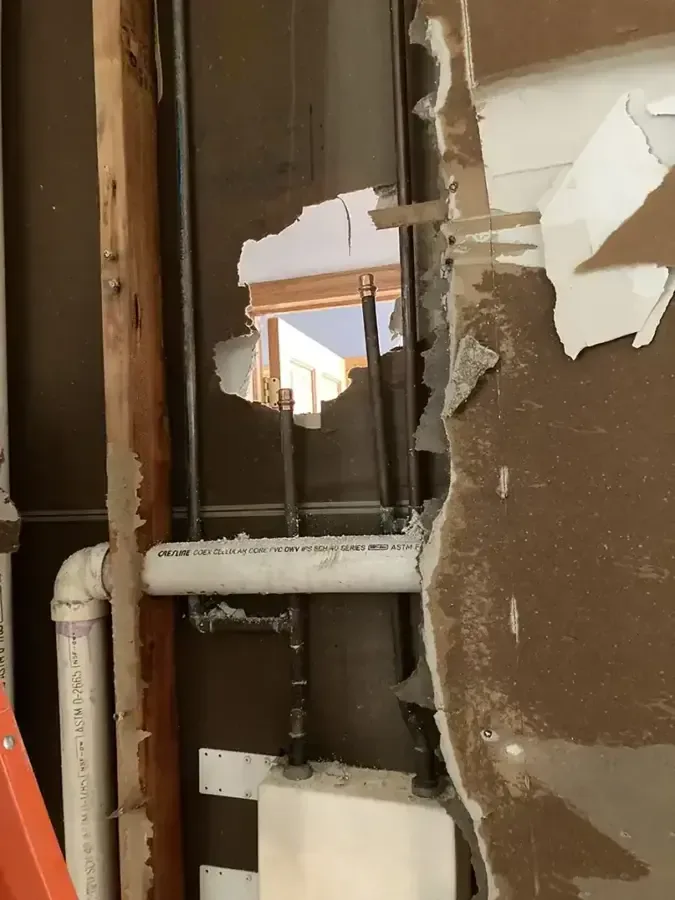
Burst Pipe Water Damage
Follow a sudden pipe release through wall cavities, floor transitions and lower rooms after the supply is isolated.
Burst Pipe Water Damage details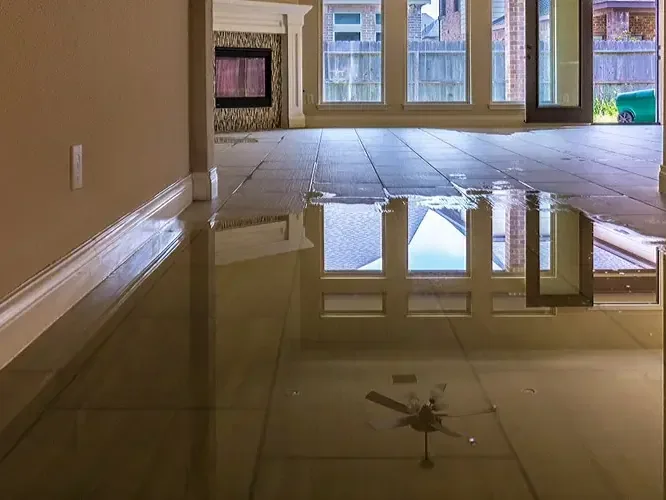
Storm and Flood Cleanup
Separate outdoor flood entry from roof intrusion and develop a removal plan around debris, contamination and safe access.
Storm and Flood Cleanup details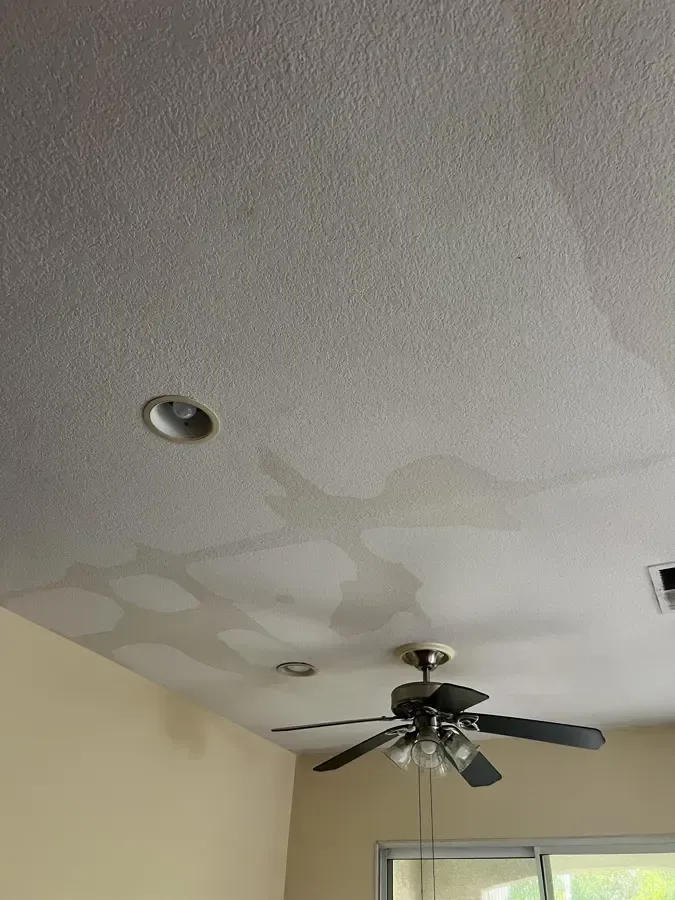
Roof Leak Water Damage
Trace overhead rainwater through attic insulation and ceiling finishes while the roof opening receives the appropriate separate repair.
Roof Leak Water Damage details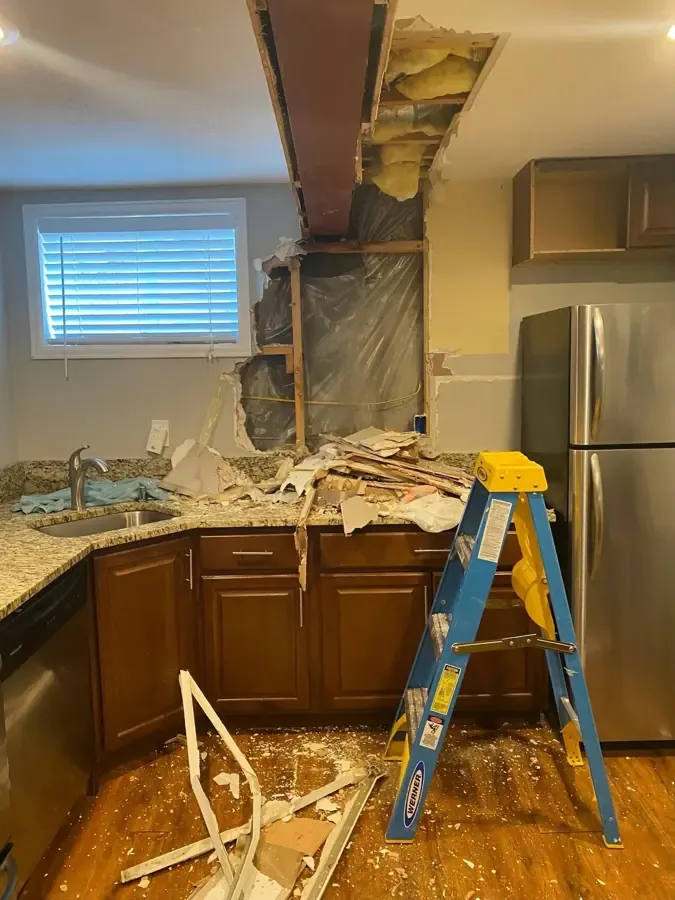
Ceiling Leak Water Damage
Assess sagging surfaces and hidden wet layers before opening, drying or replacing the damaged overhead assembly.
Ceiling Leak Water Damage details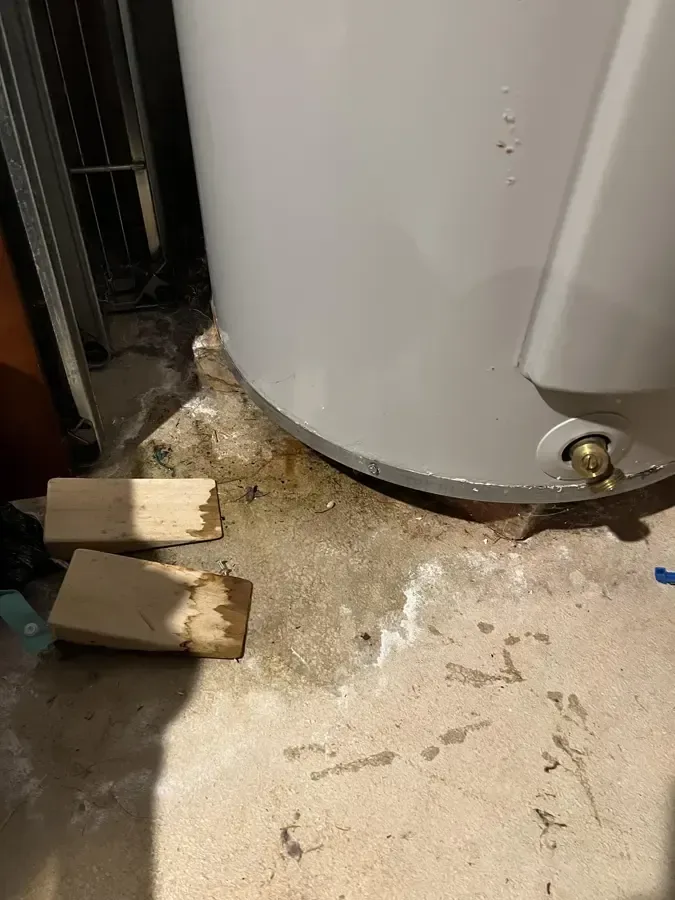
Water Heater Leak Cleanup
Clear water around the tank and inspect platforms, nearby partitions and stored belongings once the appliance is safely isolated.
Water Heater Leak Cleanup details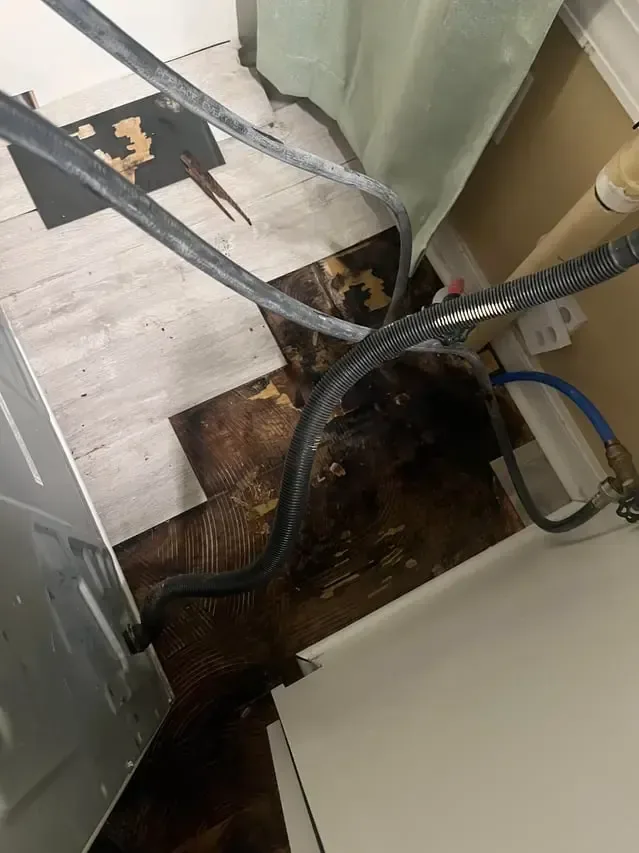
Appliance Leak Water Damage
Check beneath machines and cabinets where a hose or drain failure can leave hidden moisture.
Appliance Leak Water Damage details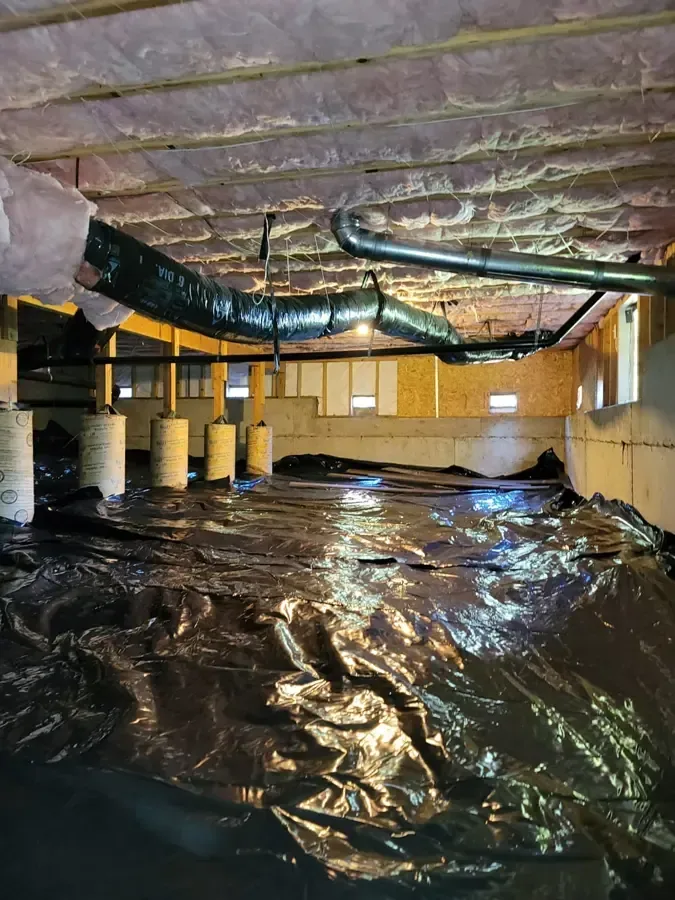
Crawl Space Water Removal
Plan access below the floor, remove pooled water and evaluate wet insulation without sending occupants into a hazardous space.
Crawl Space Water Removal details
Structural Drying and Dehumidification
Measure moisture in retained building materials and adjust equipment until the affected assemblies reach an appropriate drying endpoint.
Structural Drying and Dehumidification details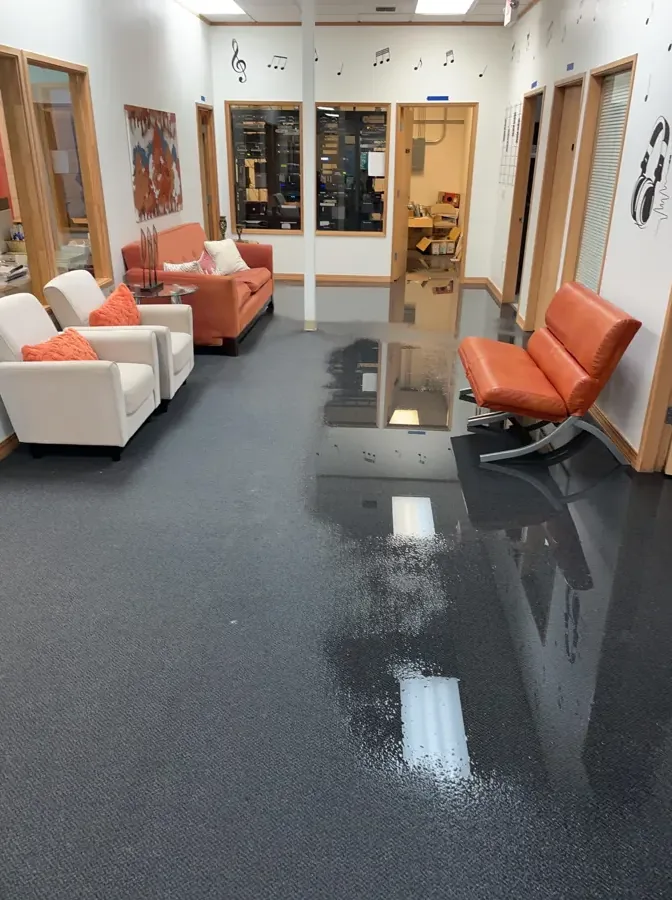
Commercial Water Damage
Organize cleanup around business access, affected inventory and separated work areas while documenting the building loss.
Commercial Water Damage details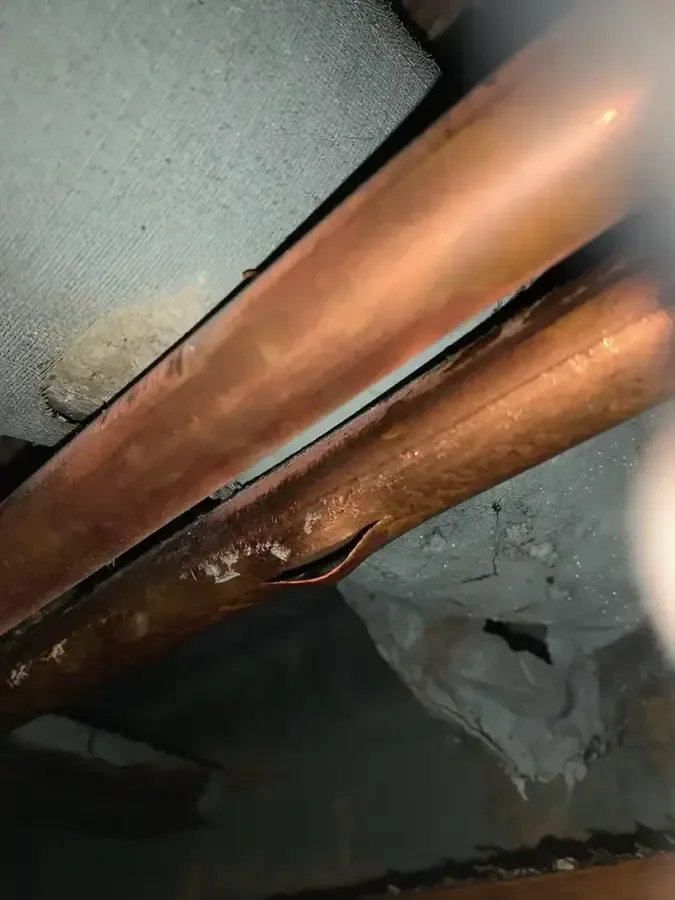
Frozen Pipe Water Damage
Prepare for leakage during thawing and trace released water into exterior cavities, closets and rooms below the break.
Frozen Pipe Water Damage details
Basement Flooding Cleanup
Sort lower-level water by its entry route and contamination before addressing stairs, utilities, storage and finished walls.
Basement Flooding Cleanup details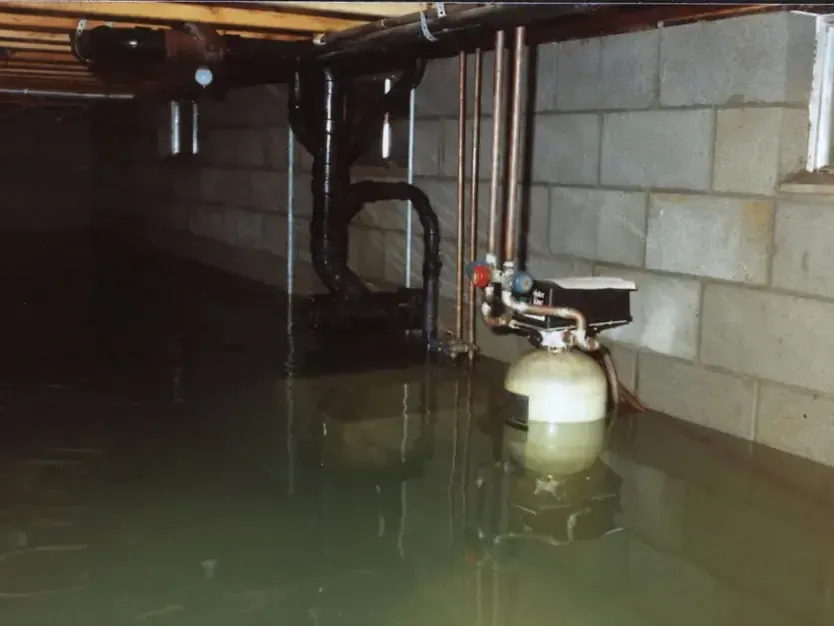
Sump Pump Failure Cleanup
Address overflow around the pit while a pump professional checks why water removal stopped or could not keep pace.
Sump Pump Failure Cleanup detailsKeep the first decisions simple
A useful cleanup plan explains which materials are wet, why an opening is needed and how drying progress will be checked before finishes cover the structure again.
(888) 629-3140Describe access and water entry- Keep access safe
Occupants should stay outside wet areas containing electrical equipment, unstable ceilings or contaminated water until those hazards receive assessment.
- Identify continued entry
A visible indoor supply leak may need isolation; rising outdoor water requires a different response and a safe exit route.
- Record what is visible
Photographs from a dry doorway can show the water height, affected rooms and damaged belongings without disturbing unsafe materials.
- Separate urgent repairs
A plumber or roofer addresses the failed component while mitigation work deals with water already inside the building.
- Describe the rooms
The initial discussion should include floor coverings, hidden spaces and whether anyone needs continued access during the cleanup.
How the dry-out works
Map before moving equipment
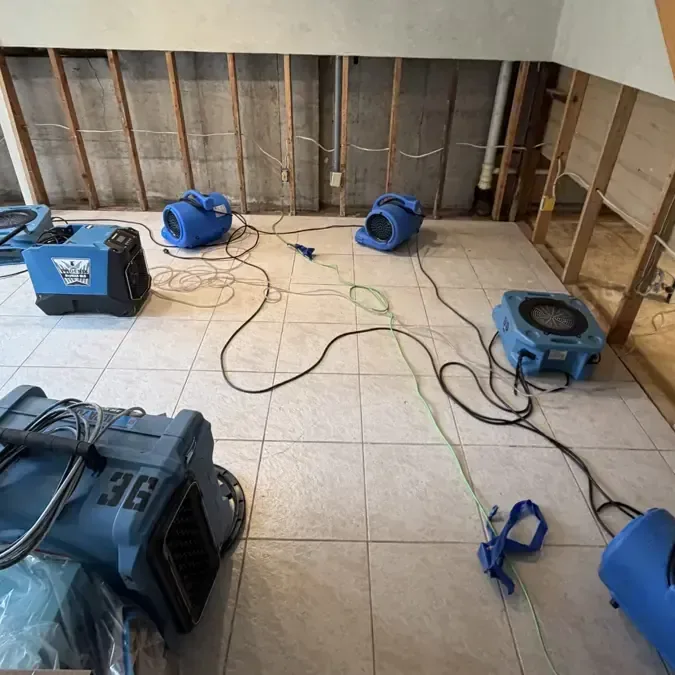
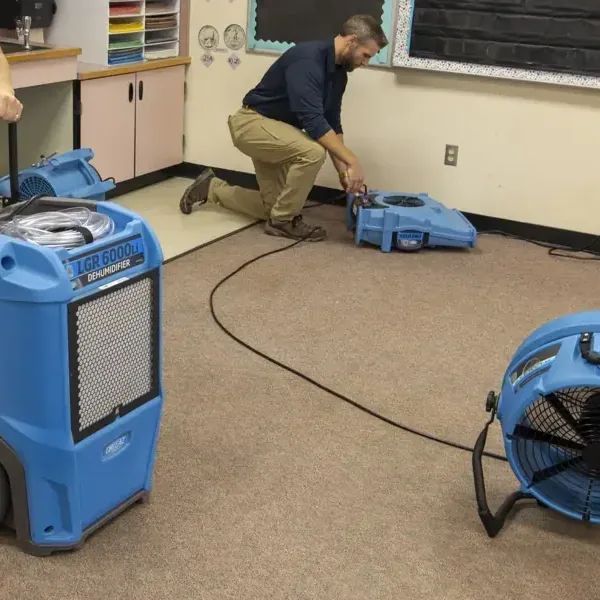
The drying team records affected surfaces and access limitations so each machine serves a defined area rather than an assumed footprint.
Remove what cannot remain
Unsuitable wet materials are identified by their condition and contamination, with surrounding finishes protected during handling and disposal.
Adjust to actual progress
Repeated readings show whether air movement reaches the wet layers or whether additional access and dehumidification are needed.
Close with a record
The final assessment documents retained materials and any remaining repair work before the project moves toward replacement finishes.
Describe the location and the access
Start with the building's immediate problem
Properties around Martins Pond and Martins Landing can have very different cleanup needs. Describe the actual water source and affected spaces when requesting help.
For broader service information, see the service area or explore water removal options.
North Reading, MA · [email protected]
See the surrounding service areaPlaces around town
ZIP served
Neighboring service areas
Removal and drying reach beyond the visible surface
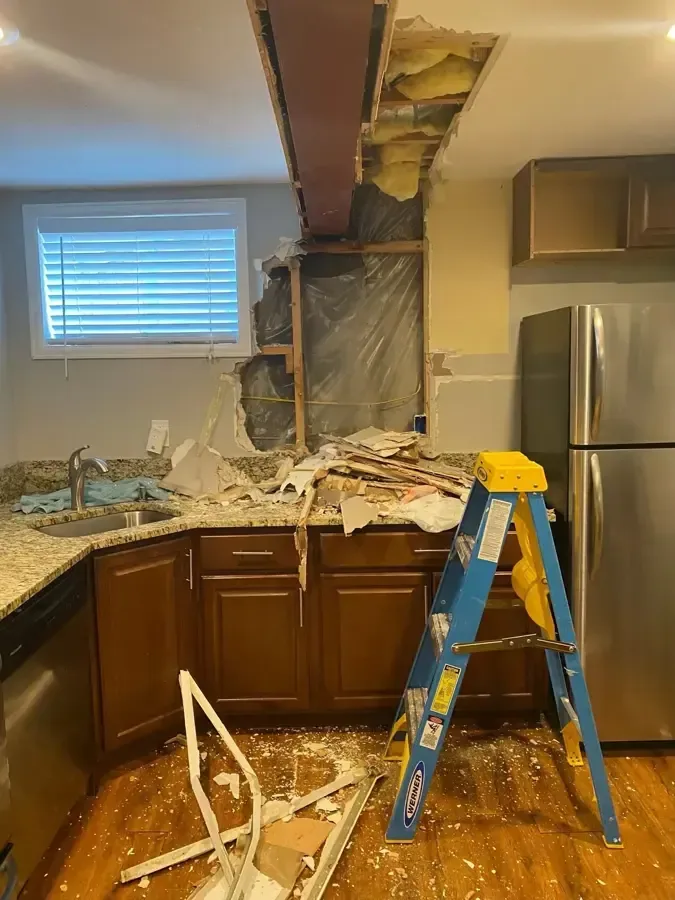
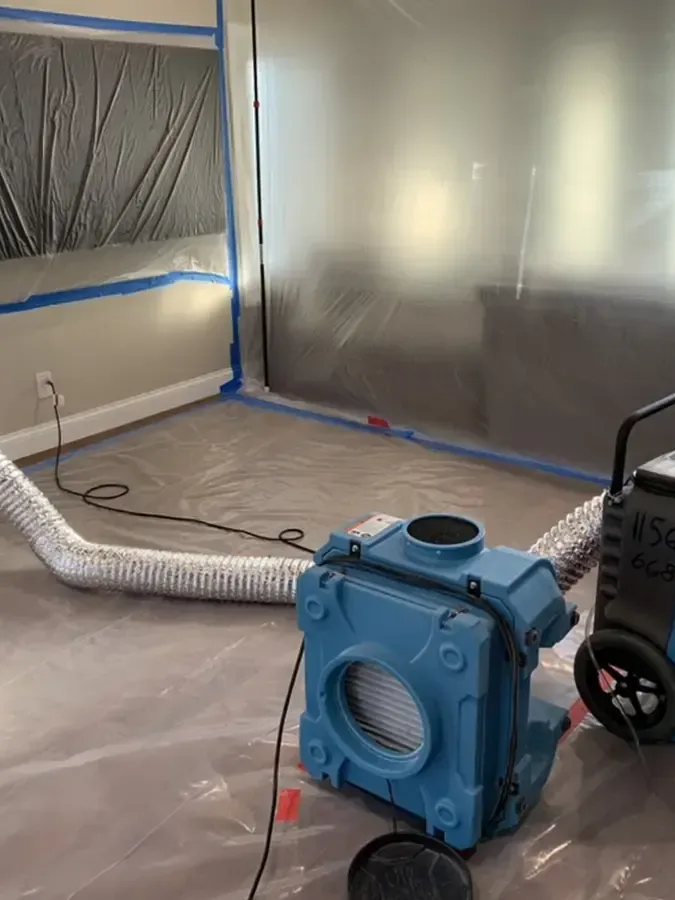
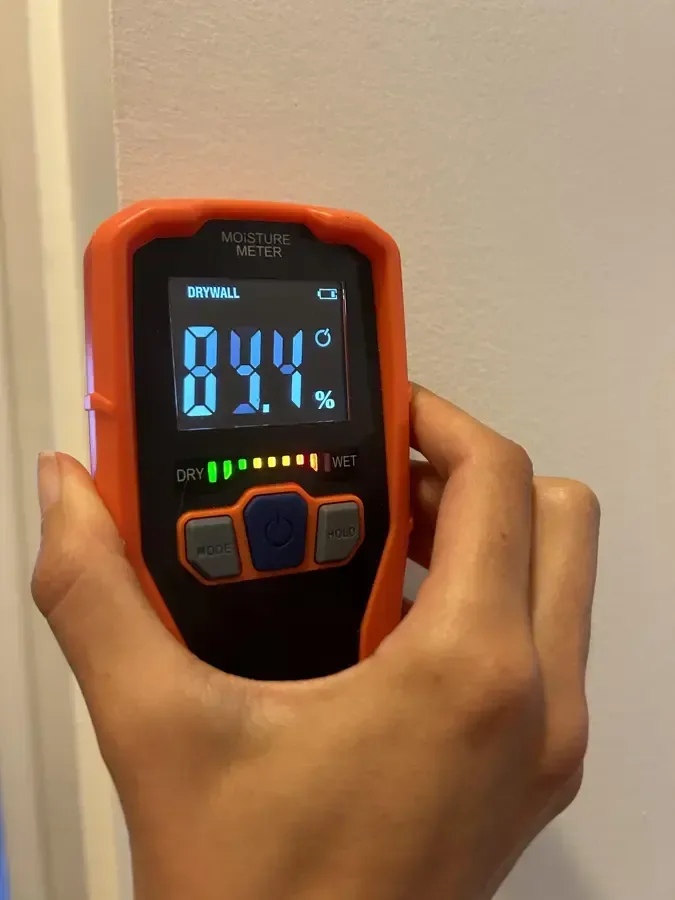
Know what stays and what needs removal
Defined affected area
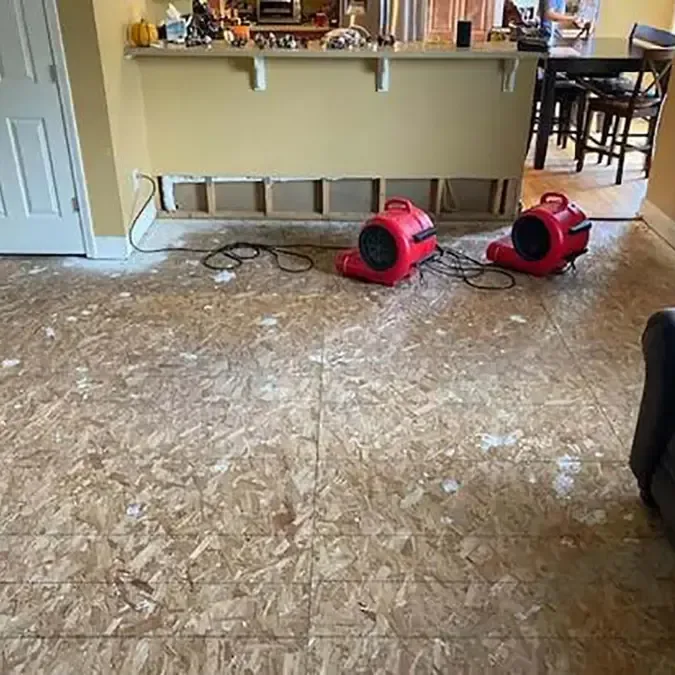
Moisture checks extend past the obvious puddle so adjoining trim, cabinets and floor layers receive attention where the water traveled.
Explained access decisions
The mitigation team should identify the purpose of each proposed opening and distinguish inspection access from removal of damaged material.
Recorded progress
Equipment settings and material readings help explain the drying sequence, including any adjustment needed when a concealed layer remains wet.
Clear project boundaries
Source repair, water removal, drying and reconstruction have different purposes; the written scope should state which tasks are included before work begins.
Document the damage and the decisions
A clear record supports conversations with the insurer and repair contractors. Photograph the initial condition, retain cleanup paperwork and keep the source diagnosis alongside the mitigation scope.
- Wide views of each affected room
- Close photographs of the failed component
- Notes describing the discovery sequence
- Receipts for immediate protective measures
- Written scope and final moisture records
When paying for cleanup directly
Request an itemized proposal that distinguishes urgent removal from optional reconstruction, so the immediate moisture problem receives an understandable budget.
Discuss access, equipment operation and payment terms before work begins, and request written approval for any later scope changes.
What changes a North Reading restoration estimate?
The size of the wet area is only one cost factor. Hidden layers, contamination, restricted access and the amount of material requiring removal also shape the estimate. A written assessment should separate mitigation work from source repairs and rebuilding.
Contained wet room
$1,000 to $2,500
- Accessible extraction
- Initial readings
- Limited drying setup
Several affected spaces
$2,500 to $6,000
- Broader moisture mapping
- Selective material removal
- Equipment monitoring
Extensive indoor loss
$6,000 to $12,000+
- Multiple work zones
- Complex drying access
- Detailed loss documentation
These planning ranges depend on the actual rooms and materials involved. The inspection defines the work needed; plumbing, roof repairs and replacement finishes may require separate pricing.
Water appearance is only part of the picture
Supply release
A broken supply pipe may begin with relatively clean water, but contact with building materials and elapsed time affect the cleanup decision.
Follow the pipe releaseAppliance discharge
A machine leak may involve incoming water or used wash water; identifying the failed connection helps determine handling and material removal.
Check beneath the machineDrain backup
Wastewater requires controlled access and careful handling of porous contents, with the drain problem investigated separately from contaminated room cleanup.
Separate the contaminated area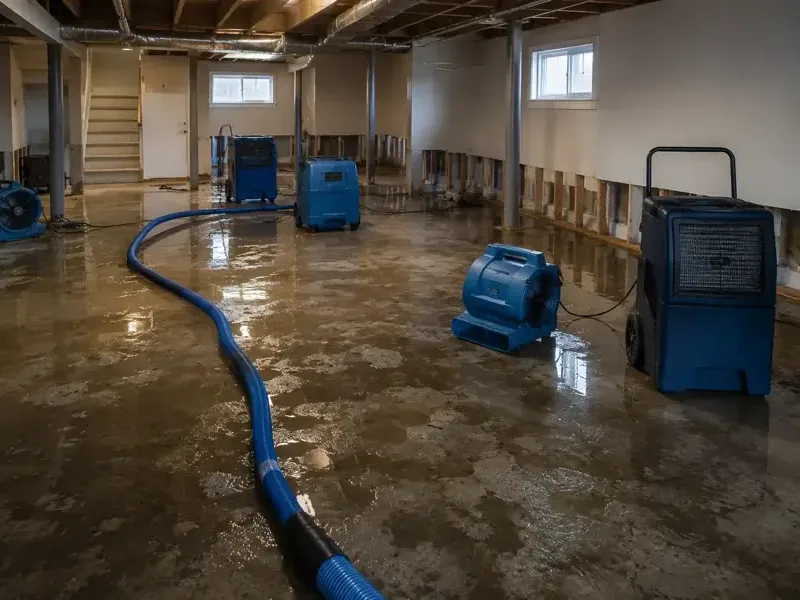
May 2006: Flooding damaged homes, businesses and infrastructure; municipal illustrations show water near Martins Pond and at the Ipswich River Park gazebo during the event.
Outdoor runoff
The municipal watershed account describes rainfall running from impervious surfaces into the river and tributaries. Cleanup planning must identify how water actually entered the building.
Hidden household leaks
The water department identifies toilet leaks as a frequent cause of high household bills. Persistent use deserves investigation before damp finishes receive cosmetic repairs.
Private water service
Owners maintain the service from the shutoff near the property boundary to the building. Locating a failure helps direct the appropriate repair conversation.
Septic questions
The municipal FAQ directs septic questions to the Board of Health. Wastewater inside a room needs restricted access and a cleanup plan suited to contamination.
Work outside the building
Alterations to protected wetlands or floodplains can involve Conservation Commission permission. Outdoor drainage changes should be discussed separately from removing water already inside.
Questions before cleanup begins
What information helps during the first conversation?
The most useful details are the suspected source, rooms affected, visible water depth and any electrical or ceiling hazards. Photos can help explain the layout, but occupants should remain on dry, stable ground while documenting the loss.
Does a dry floor mean cleanup is finished?
Floor surfaces can feel dry while the underlayment, wall base or cabinet bottom retains moisture. Material readings help determine whether hidden layers need access or continued drying before replacement flooring and trim are installed.
Who handles a leaking private water service?
The town assigns the owner responsibility from the shutoff near the property boundary to the building. The water department maintains the main and the service up to that shutoff. Source diagnosis helps identify the relevant repair responsibility.
Can a high bill help identify a leak?
Unexplained water use can prompt a plumbing inspection. The municipal FAQ describes a digital meter display for current use and a toilet flapper test. A plumber can investigate the source while the drying team evaluates any resulting building damage.
What changes when floodwater enters from outside?
Outdoor water can carry debris and contamination into porous finishes. The extraction method, protective measures and material removal decisions should reflect that exposure. The entry route and contact with building materials determine the cleanup method for each affected room.
Where do septic system questions belong?
North Reading directs septic questions to the Board of Health. A qualified system professional investigates the source of a backup, while cleanup addresses contaminated surfaces and contents. Using affected fixtures can add water until the drainage problem is resolved.
Should wet belongings be discarded immediately?
Record damaged items before disposal when safe, and discuss handling with the mitigation team and insurer. Contaminated or unstable contents need special care. Sorting decisions depend on the material, exposure and whether safe cleaning and drying are practical.
Are roof repairs included with interior drying?
Roof repair and indoor mitigation address different parts of the loss. The proposal should identify who stops the entry and who handles wet insulation, ceilings and room finishes. Drying remains vulnerable to repeated wetting until the opening is controlled.
How does the project move toward rebuilding?
Retained materials should reach suitable moisture conditions before enclosure. The completion record can identify what was removed, what was dried and what still needs repair. Reconstruction then follows an agreed scope rather than hiding moisture behind new finishes.
Make the next step fit the water problem
A clear description of the source, wet rooms and access hazards helps shape a practical North Reading cleanup plan.
(888) 629-3140Talk through the cleanup priorities