Sewage Backup Cleanup in North Reading, MA
A backed-up fixture changes how a room can be used. North Reading sewage cleanup begins by limiting contact, stopping additional discharge and planning removal around contaminated finishes and contents.
(888) 629-3140Arrange a wastewater cleanup assessment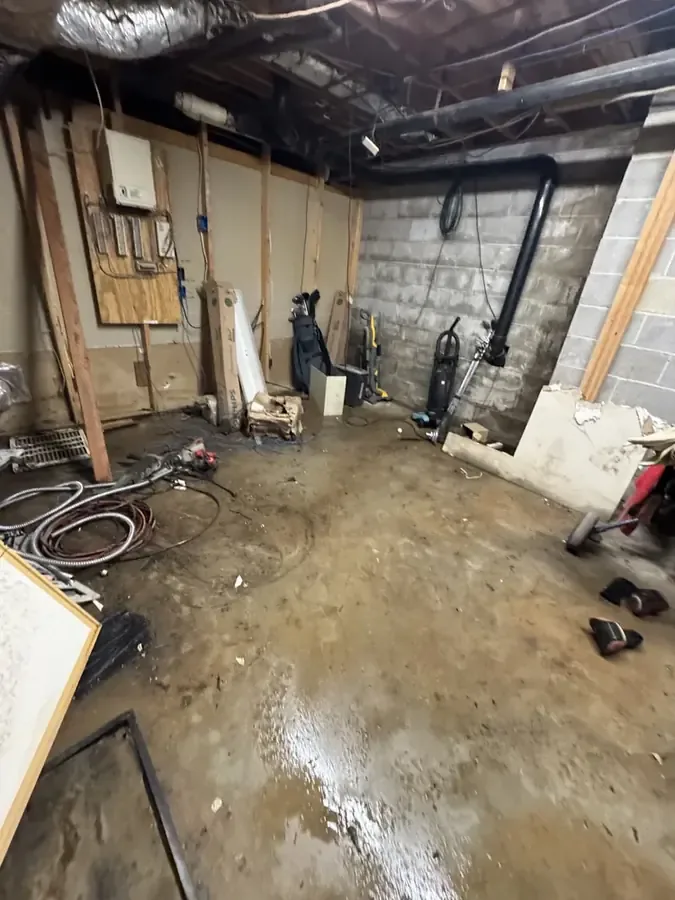
Wastewater on a bathroom floor can reach far beyond the fixture that overflowed. Foot traffic carries residue into adjoining rooms, while absorbent materials hold liquid against the building. The first useful boundary is a restricted work area with a clear route for assessment and removal.
The sewage backup cleanup process
Establish controlled access
The response team evaluates exposure, work routes and separation from occupied spaces before arranging the removal of wastewater and unsuitable materials.
Remove affected porous items
Materials are assessed by contact and condition, with contaminated contents handled in a way that limits transfer into adjoining clean areas.
Clean retained building surfaces
Suitable remaining surfaces receive cleaning after gross contamination has been removed, including accessible edges that could retain residue beneath trim or fixtures.
Verify moisture before repairs
The drying team checks retained assemblies and documents the condition needed for rebuilding, while the source professional confirms the drainage problem has been addressed.
Separate the backup from the room cleanup
The municipal FAQ directs septic-system questions to the North Reading Board of Health. In May 2024, the Select Board ended planning for a proposed wastewater connection. A property owner should identify the actual system serving the building when arranging source investigation and contaminated material cleanup.
A backup near Martins Pond, Martins Landing or Chestnut Street needs an assessment of its own fixtures and affected spaces. Continued use of sinks, laundry or toilets may add discharge while the obstruction or system problem remains. A qualified professional should establish which fixtures can be used safely.
- Keep children, pets and unnecessary foot traffic outside the affected room.
- Avoid carrying wet rugs or soft contents through clean living spaces.
- Record exposed belongings from a safe position before disposal decisions are made.
- Keep drain repair details with the separate mitigation scope.
Wastewater in a North Reading room needs a controlled cleanup sequence, with contamination decisions made before the space returns to normal use.
(888) 629-3140Discuss the contaminated roomMake material decisions before drying equipment runs
Porous finishes exposed to sewage may need removal because cleaning cannot reliably reach their internal layers. Hard surfaces still require careful treatment. The cleanup plan should identify retained materials, discarded materials and handling routes before equipment is arranged for building drying.
Odor alone is not the endpoint
A room can smell better while residues remain beneath trim or flooring. Completion depends on the cleanup scope, material condition and subsequent moisture checks. Fragrance products do not replace removal of unsuitable contents or cleaning of retained surfaces.
Restore usable space in an orderly sequence
Source control prevents repeated discharge; removal and cleaning address the contaminated room; drying prepares suitable retained materials for repair. The North Reading Building Department can address remodeling questions when the repair plan changes room layouts. The town restoration overview connects this work with other affected spaces, including a basement or adjacent utility room. Each part of the proposal should state who performs it and when access can change.
Practical steps for sewage backup cleanup
Close off the affected space
Occupants should keep away from wastewater and prevent pets or children from entering. A doorway barrier helps reduce accidental movement into the contaminated room.
Reduce additional fixture discharge
Stop using fixtures associated with the backup until a drainage professional identifies the problem. More wash water can enlarge the affected area and complicate cleanup.
Avoid moving soaked contents
Leave contaminated rugs, boxes and furniture for a handling assessment. Carrying them through occupied rooms can spread residue onto previously unaffected floors and surfaces.
Gather system and loss details
Describe the fixture involved, the rooms reached and any known septic information. Keep photos and source repair paperwork available for the cleanup team and insurer.
What does sewage backup cleanup cost in North Reading, MA?
North Reading sewage cleanup costs reflect contamination spread, absorbent materials and controlled access. A contained bathroom differs from wastewater across several finished rooms; drain clearing or septic repairs belong in a separately identified source scope.
Contained bathroom
$2,000 to $3,500
- Restricted room setup
- Wastewater removal
- Surface treatment
Room and finishes
$3,500 to $6,000
- Porous material evaluation
- Controlled debris handling
- Retained surface drying
Multiple affected rooms
$6,000 to $9,000+
- Expanded work separation
- Broader contamination cleanup
- Material condition records
Water category, affected square footage, material class and the delay before drying all change the scope. These planning ranges are not a quote. Compare the water damage cost calculator with the written on-site scope.
Sewage backup cleanup coverage in North Reading
Wastewater cleanup planning covers properties around Chestnut Street, Martins Landing and Martins Pond. Identify the affected fixtures, rooms and actual wastewater system so access restrictions and source repair can be coordinated with the indoor cleanup.
The same service nearby: sewage backup cleanup in Wakefield, Reading, Stoneham.
Water damage restoration in North Reading · every town covered
Related water damage services in North Reading


Sewage Backup Cleanup questions in North Reading, MA
Can the room be cleaned with a household mop?
A mop can move contaminated liquid without addressing absorbent finishes or hidden residues. Sewage exposure requires assessment of the surfaces and contents involved. Occupants should avoid contact and let the cleanup plan establish removal, cleaning and drying requirements.
Who answers questions about a septic system?
The municipal FAQ points septic questions to the Board of Health. A qualified system professional investigates the operating problem at the property. Cleanup inside the building is a separate task that addresses wastewater already discharged onto floors, walls or belongings.
Should nearby plumbing fixtures remain unused?
Fixtures connected to the affected drainage path may add discharge until the cause is resolved. The source professional should identify appropriate restrictions. Sharing which fixtures were running before the backup can help the investigation and prevent an avoidable repeat overflow.
Can upholstered furniture stay after sewage contact?
Absorbent furniture can retain contamination inside padding and joints. Retention depends on exposure and whether effective treatment is practical. The cleanup team should explain the recommendation, and owners should document affected belongings before disposal when that can be done safely.
Will ordinary air movers solve the dampness first?
Equipment placement should follow contamination assessment and cleanup decisions. Moving air across untreated residue can spread the problem. Once unsuitable materials are removed and retained surfaces are treated, a controlled drying plan can address moisture within the remaining assembly.
What paperwork is useful after a backup?
Keep the source diagnosis, photographs, material disposal record and mitigation scope together. These show why the room required particular handling and what work remains. Coverage questions belong with the insurer, using the actual cause and documented damage rather than assumptions.
Describe the fixture and affected surfaces
Keep the area restricted and explain whether discharge is continuing so removal and source investigation can be coordinated.
(888) 629-3140Request wastewater handling help