Basement Flooding Cleanup in North Reading, MA
Basement water can block the stairs, surround utilities and soak stored belongings at once. North Reading basement cleanup identifies the entry route and access hazards before deciding how removal and drying should proceed.
(888) 629-3140Discuss the flooded basement conditions
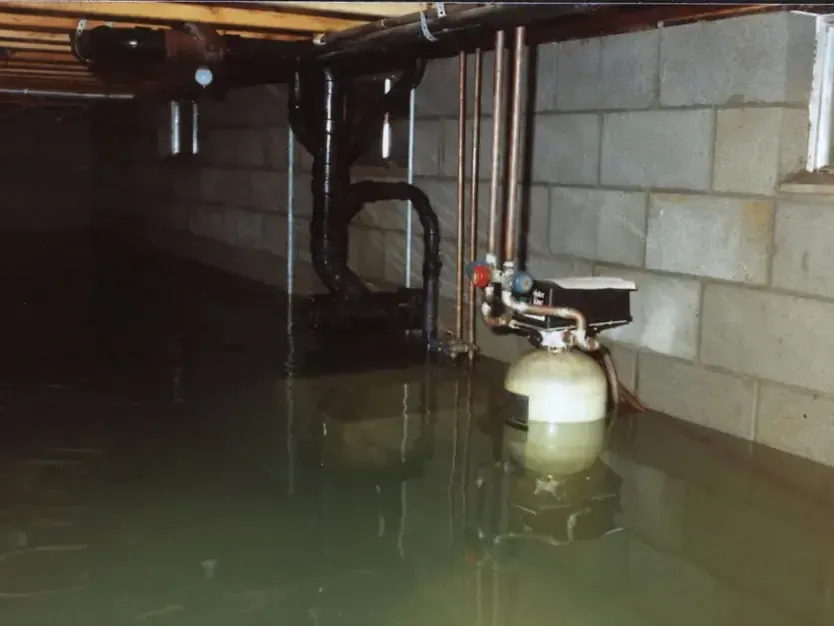
A basement can hold utilities, family belongings and finished rooms within the same wet footprint. Before anyone descends the stairs, access must account for electrical equipment, uncertain water quality and the condition of the floor. The cleanup method follows the entry route and materials found, not the room's label alone.
The basement flooding cleanup process
Establish basement access
The team evaluates stairs, utilities, water origin and visible damage before defining safe work routes and the order of removal within the lower level.
Remove pooled water and debris
Liquid collection and contents handling proceed with attention to the source and exposure, keeping affected materials separated from unaffected storage or living areas.
Inspect walls and floor edges
Moisture checks evaluate finished partitions, trim, stair contact points and flooring layers that may remain wet after open water has been removed.
Dry and prepare for repairs
Retained assemblies are monitored and documented, with source work and remaining finish replacement identified before the lower level returns toward ordinary use.
Distinguish the lower-level water sources
Ground-level entry, a plumbing release, a pump problem and wastewater require different source work. The North Reading Board of Health handles septic questions. A source professional can help establish whether the basement water relates to drainage, supply piping or another building component while mitigation evaluates the damage.
Flood accounts for May 2006 and April 2007 describe damage along the Ipswich River and Martins Brook. The town also recorded flooding near Martins Pond. For a present basement loss, the assessment documents current entry, water marks and affected finishes before deciding on removal and contamination handling.
- Describe visible water from the stairs without entering an unsafe lower level.
- Identify utility equipment and outlets within the affected area.
- Record whether storage sits directly on the floor or on raised supports.
- Note finished partitions where water may hide behind baseboards and insulation.
A flooded North Reading basement needs access and a source-specific cleanup plan for utilities, stored belongings and the finishes surrounding the water.
(888) 629-3140Discuss the lower-level water problemHandle storage and finishes as separate groups
Wet boxes, soft furniture and fixed wall materials each need their own evaluation. Removing everything together can obscure what happened and spread contamination. A contents record and planned movement route support orderly water extraction while preserving access to wall bases and floor edges.
An unfinished slab can border a wet wall cavity
Open concrete may look simple to clean, but nearby framed partitions or stairs can absorb water. Moisture checks should include those contact points. Finished basement rooms may need selective access before retained materials can be dried and replacement surfaces considered.
Plan the lower-level repairs from the findings
The North Reading Building Department is the town contact for building work, including proposed remodeling. The drying stage should document retained materials and the condition required before enclosure. Source repairs, storage restoration and finish replacement can then follow a defined sequence. If water continues to enter, that condition belongs prominently in the plan so cosmetic repairs do not begin while the basement remains vulnerable to repeated wetting.
Practical steps for basement flooding cleanup
Assess access from above
Stay on dry stairs or outside the lower level when water surrounds equipment or hides the floor. Describe the condition without entering to retrieve belongings.
Report utility exposure
Identify heating equipment, electrical components and other systems reached by water. Appropriate service assessment may be necessary before the area supports normal access or restoration equipment.
Describe the likely entry route
Share whether water appeared at a door, wall, drain, pipe or pump pit. The source investigation and cleanup method can then address the actual lower-level problem.
Document storage before sorting
Photograph affected storage where safe. A contents record organizes handling decisions while the building materials receive a separate moisture and contamination assessment.
What does basement flooding cleanup cost in North Reading, MA?
Basement cleanup in North Reading varies with entry source, access and finished materials. An open wet slab differs from a furnished lower room with saturated partitions, stored belongings and utilities needing separate professional evaluation.
Unfinished wet area
$1,800 to $3,200
- Water assessment
- Open floor removal
- Edge inspection
Finished lower room
$3,200 to $6,000
- Contents handling decisions
- Partition moisture checks
- Retained material drying
Broad basement loss
$6,000 to $9,500+
- Expanded removal work
- Connected room evaluation
- Condition documentation
Water category, affected square footage, material class and the delay before drying all change the scope. These planning ranges are not a quote. Compare the water damage cost calculator with the written on-site scope.
Basement flooding cleanup coverage in North Reading
Basement assessments can be arranged around Martins Pond, Chestnut Street and Martins Landing. Describe stair access, exposed utilities, storage and finished rooms so the lower-level removal plan accounts for the building's actual layout and water source.
The same service nearby: basement flooding cleanup in Wakefield, Reading, Stoneham.
Water damage restoration in North Reading · every town covered
Related water damage services in North Reading

Basement Flooding Cleanup questions in North Reading, MA
Can someone walk through shallow basement water?
Even shallow water can reach electrical equipment or conceal debris and changes in floor level. Safe access depends on the actual hazards. Occupants should describe conditions from a dry location while the appropriate assessment establishes whether entry can proceed.
Does basement flooding always mean groundwater entry?
A basement can receive water from indoor piping, appliances, wastewater or a failed pump as well as outside entry. Identifying the source is essential to repair and cleanup planning. The material handling approach should follow the exposure found at the building.
Why are stored boxes part of the assessment?
Cardboard and contents can absorb water, weaken and hide the edge of the affected floor. Sorting them changes access for cleanup and drying. A contents record helps organize removal decisions and distinguishes belongings from damage to walls, stairs or flooring.
Can finished walls stay after water reaches the base?
Their condition, contamination exposure and concealed moisture determine the decision. A dry upper wall may hide wet insulation or framing below. Selective access and readings help establish which materials can remain and whether the drying method can reach the affected layers.
Who checks water-exposed basement equipment?
The appropriate equipment or electrical professional should assess systems affected by water. Mitigation handles building moisture and cleanup, while equipment service is a separate responsibility. The project plan should identify both so normal use does not resume solely because the floor has been pumped.
What happens if the basement keeps taking water?
The source investigation needs to address continuing entry alongside immediate removal. Repeated wetting can undermine drying and finish repairs. Document the recurrence and keep proposed drainage or plumbing work separate from the scope for materials already damaged inside the lower level.
Describe the stairs, utilities and wet rooms
Explain where water appeared and whether it continues entering so basement removal and repair planning start with the right conditions.
(888) 629-3140Arrange a basement loss assessment