Basement Flooding Cleanup in Wakefield, MA
The basement cleanup crew assesses electrical hazards, water entry and the lower-level assembly before pumping. Extraction, material assessment and controlled drying follow a plan suited to the actual loss.
(888) 629-3140Lower level flooded? Discuss removal
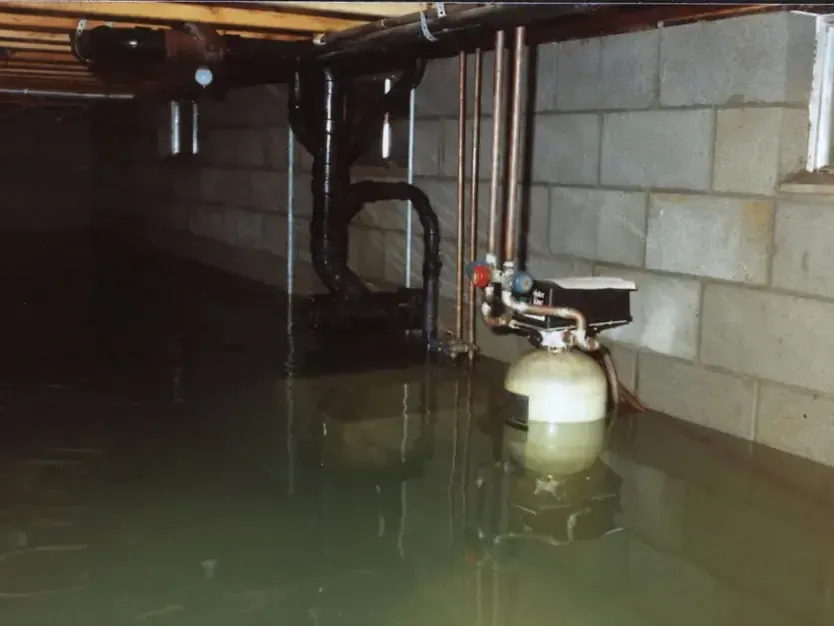
Basement flooding cleanup in Wakefield starts at the stairs, before anyone steps into the water. A lower level can contain utility equipment, stored contents and hidden changes in floor elevation. The response team evaluates those hazards and the source before deciding how water removal can proceed safely.
The basement flooding cleanup process
Assess the lower level
The crew checks electrical exposure, water depth and continuing entry from a safe access point before selecting the removal method.
Pump and extract
Water removal proceeds at a rate appropriate to the building and conditions. The team directs discharge away from the structure and dry access routes.
Evaluate wet assemblies
Contents, wall bottoms and floor layers receive separate assessments. The crew documents necessary removal and opens concealed moisture where practical.
Track room recovery
Dehumidifiers and air movers serve the remaining materials. Repeated readings track the drying progress before storage and replacement finishes return to the room.
The entry route determines the first repair
A plumbing break, outside runoff and a failed sump require different source work. The technician records where water entered, whether it continues and what materials it contacted. The team also considers surrounding conditions when water pressure may affect the building. Pumping is planned around those findings rather than treated as an isolated task.
Coverage includes homes around Lake Quannapowitt, Greenwood and Water Street. The nearby Saugus River is part of the local landscape, but the crew identifies the cause at the individual property. The technician checks the basement construction, visible entry points and affected materials directly.
- Stay out when electrical equipment may be wet even when the water appears shallow.
- Describe the source from a safe position including whether entry continues during dry weather.
- Record water marks before cleanup when possible so the record preserves the initial depth.
- Keep dry storage away from the work route and keep wet contents outside clean living areas.
A flooded lower level needs a safe entry plan before pumping starts. The crew checks utilities, source and wet materials together.
(888) 629-3140Discuss the basement conditionsStored contents and wall bottoms need separate attention
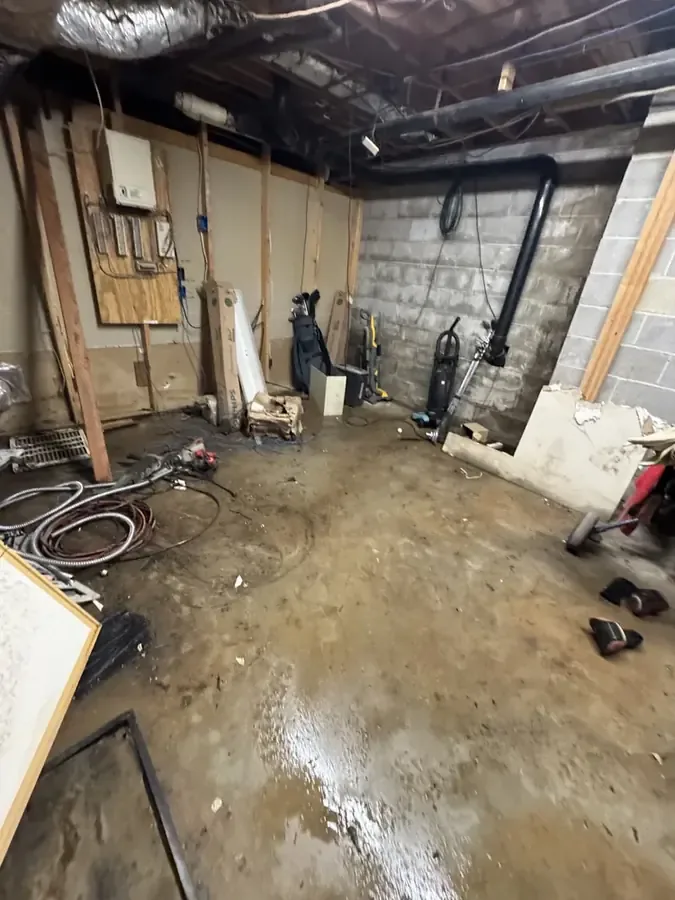
Cardboard, textiles and low shelving can absorb water while durable objects remain salvageable. The crew documents exposure before removal and separates contaminated materials from dry belongings. Finished wall cavities may conceal soaked insulation above the visible water mark. Access decisions account for the water category and the ability to clean and dry the retained assembly.
A dry staircase does not make the basement safe
Water can hide outlets, extension cords and equipment connections below the stair landing. Residents should not enter to unplug a unit or retrieve belongings. The appropriate professional establishes electrical safety, and the restoration crew checks access and floor conditions before beginning pumping, extraction or material movement.
Verifying the room before storage returns
Lower-level drying uses dehumidification and airflow matched to exposed materials. Concrete, framing and floor coverings receive appropriate checks. The team records the drying goal and tests beyond the visible edge so stored items do not return against a damp wall. Source repairs and future water-management improvements remain separate from mitigation completion.
The Ready.gov flood safety guidance addresses safe entry. The National Weather Service flood information explains the hazards of moving and standing water during changing conditions.
Practical steps for basement flooding cleanup
Keep people upstairs
The household avoids the flooded level until hazards are assessed. Describing utilities and room layout from outside helps plan entry without adding exposure.
Preserve the water mark
Photos show depth and spread before pumping changes the scene. The crew adds measurements and material records to explain the affected area.
Sort by exposure
Wet porous belongings and durable contents need different decisions. The assessment keeps contaminated items from passing through clean storage or living space.
Check the back of finishes
A finished wall may hide moisture above the visible edge. The technician evaluates the cavity before accepting a dry surface as completion.
What does basement flooding cleanup cost in Wakefield, MA?
Basement flooding mitigation often ranges from $1,800 to $9,500. Depth, contamination, finished walls and stored contents affect cost. Plumbing, sump repairs and reconstruction are evaluated separately from water removal and drying.
Unfinished wet area
$1,800 to $3,200
- Pumping
- Boundary checks
- Initial drying
Finished lower room
$3,200 to $6,000
- Porous assessment
- Wall access
- Equipment monitoring
Broad basement loss
$6,000 to $9,500+
- Contents coordination
- More removal
- Extended verification
Water category, affected square footage, material class and the delay before drying all change the scope. These planning ranges are not a quote. Compare the Wakefield water damage cost calculator with the written on-site scope.
Basement flooding cleanup coverage in Wakefield
Restoration coverage includes ZIP 01880, Greenwood, Downtown, Main Street, Water Street and homes around Lake Quannapowitt and Crystal Lake. The response team assesses the water source, affected materials and access before planning extraction and drying.
Nearby coverage reaches Reading, Melrose, Stoneham, Woburn, North Reading.
Related water damage services in Wakefield
Basement Flooding Cleanup questions in Wakefield, MA
Is it safe to walk through shallow basement water?
Electrical and floor hazards require assessment at any depth. Wet electrical connections, hidden debris and uneven flooring can create hazards in shallow water. The household should remain outside until appropriate evaluation establishes safe conditions for the restoration team to enter and begin removal.
Can the basement be pumped immediately?
The crew first checks the source, electrical conditions and any concern about surrounding water pressure or structural stability. Those findings determine a safe removal plan. Continuing entry also needs attention so pumping does not simply move water while the room keeps refilling.
Will finished walls need to be opened?
Water category, wallboard condition and insulation wetting determine the scope. A wall can hold moisture above the visible mark. The technician explains where openings provide necessary cleaning or drying access and records the materials before removal.
Can stored boxes be moved upstairs?
Dry belongings can move through a clean route when safe. Wet or contaminated boxes should not be carried into unaffected living space without assessment. Photographs and an inventory help document contents before disposal or controlled movement changes their original position.
What if water returns after pumping?
The source has not been fully controlled or a new entry has occurred. The team records the return and coordinates appropriate plumbing, sump or drainage evaluation. Drying requires a stable environment; repeated water entry may change the material and cleaning scope.
Is basement response available on holidays?
Emergency dispatch operates 24/7. The household should report depth, utilities, ongoing entry and access restrictions. The response plan prioritizes safe conditions and source control, then addresses the water and materials already affected in the lower level.
Make the lower level ready for drying
The restoration team removes water, assesses affected contents and tracks the remaining structure through the dry-out.
(888) 629-3140Arrange basement water removal