Ceiling Leak Water Damage in Wakefield, MA
The ceiling-leak crew assesses sagging finishes, traces the upstairs source and checks concealed joists before drying. The work protects the room below while the water source receives repair.
(888) 629-3140Ceiling wet? Arrange an assessment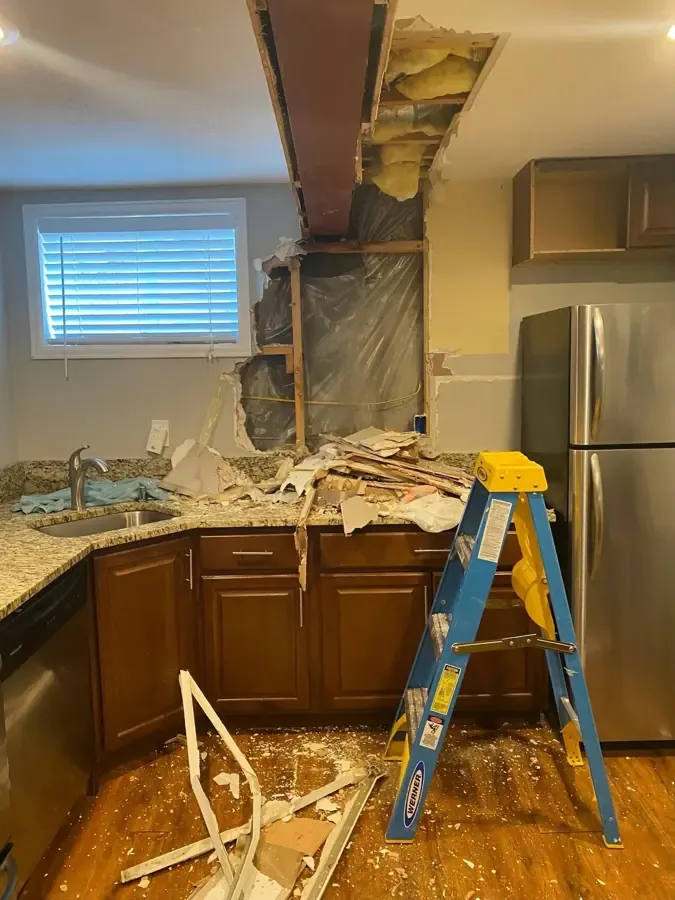
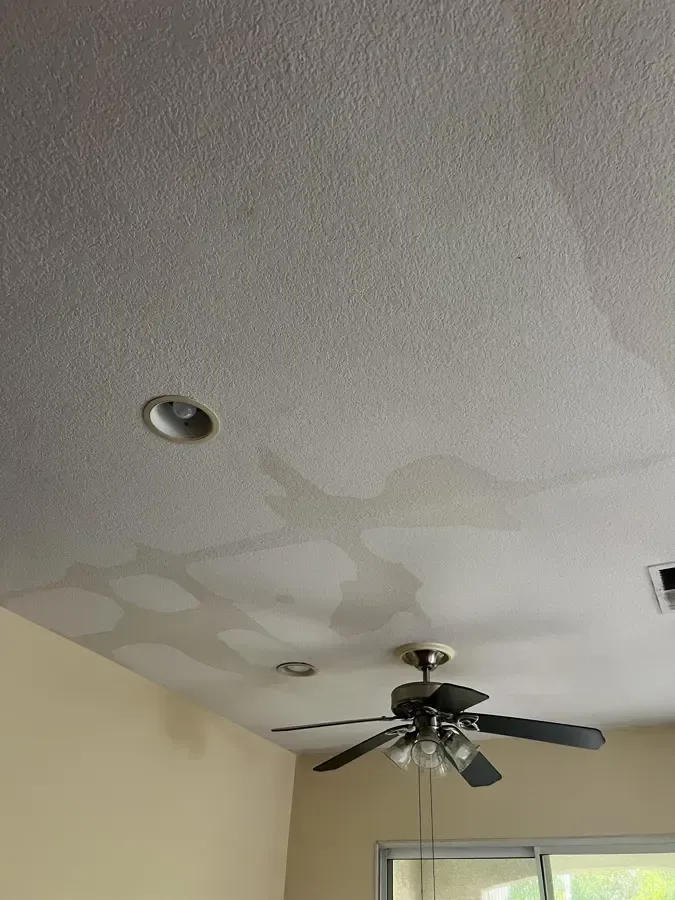
Ceiling leak cleanup in Wakefield begins by keeping people clear of an unstable surface. A slow stain and a bulging ceiling require different access plans. The restoration team evaluates the room below, checks potential electrical exposure and traces moisture toward the fixture or pipe above.
The ceiling leak water damage process
Secure the room below
The team identifies unstable finishes and electrical exposure, then protects the occupied area before working beneath the affected ceiling.
Trace the upstairs release
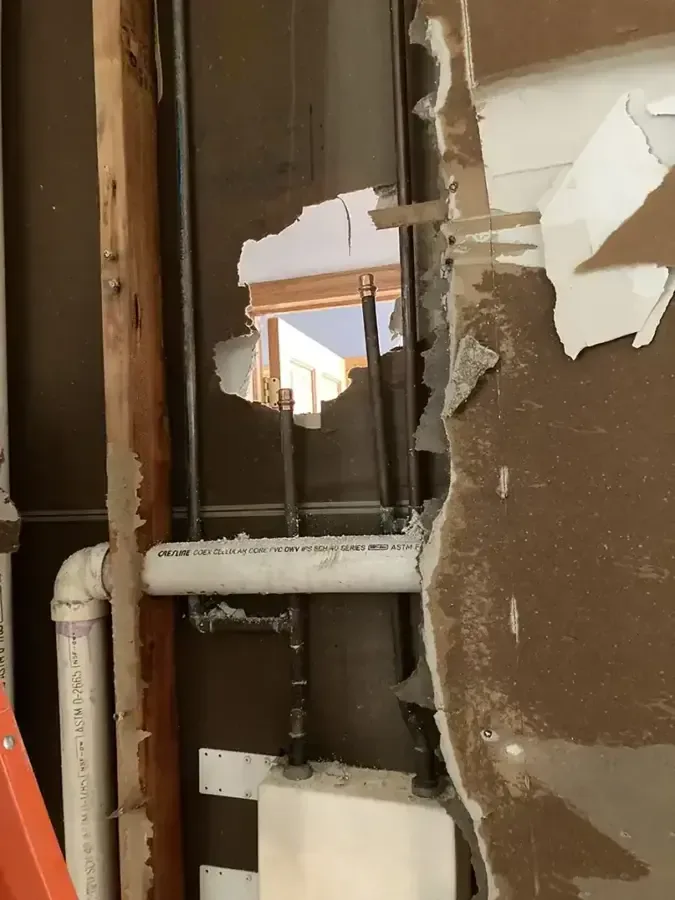
Plumbing findings and moisture readings locate the source route. The assessment includes the floor above and adjoining wall cavities.
Create controlled access
Targeted removal exposes wet insulation and joists. The crew records damage and protects surrounding finishes during opening and extraction.
Check the full cavity
Drying equipment serves exposed materials while readings track progress. Closure follows verification of retained framing and the affected floor layer.
Looking above the visible stain
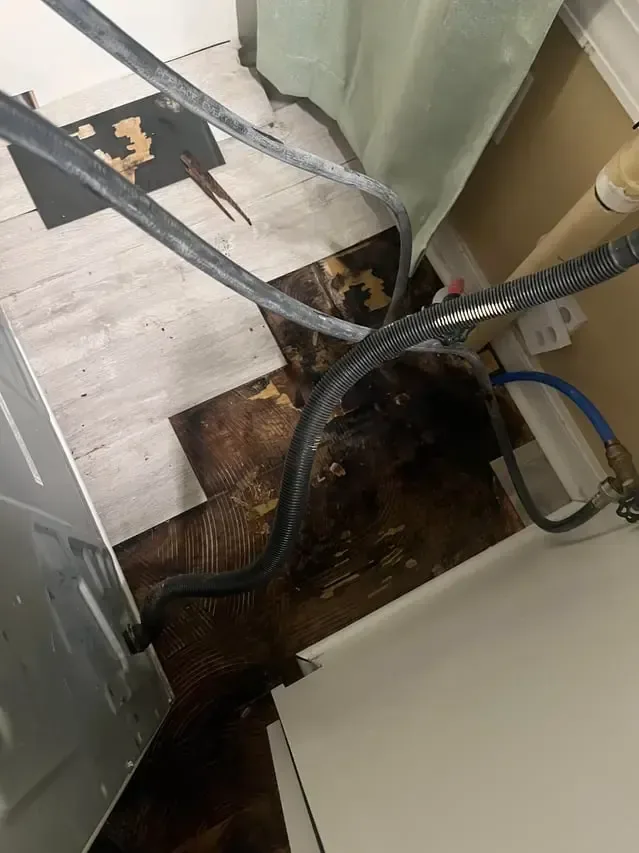
A bathroom supply, appliance hose or drain can release water between floors. Water follows penetrations and framing, so the stain may appear away from the source. The technician checks the upstairs floor and the cavity below rather than opening only the darkest part of the ceiling. Plumbing findings help establish the water category and repair sequence.
Properties near Main Street, Water Street and the Lucius Beebe Memorial Library may include several occupied rooms around the affected area. The crew plans access around actual room use and contents. The technician checks the floor and ceiling assembly, including the rooms on both sides of the wet cavity.
The area around Crystal Lake also receives ceiling-loss assessment, with the room above and below checked as one connected assembly.
- Keep furniture out of the unstable ceiling area and leave the space below a bulge vacant.
- Record the fixture being used when dripping starts to help the plumbing assessment trace the release.
- Avoid switching on wet lights or ceiling fans until the electrical condition has been evaluated.
- Photograph changes from a dry, protected position before controlled removal changes the ceiling surface.
An overhead leak needs a stable work area and access to the wet cavity. The crew checks the floor above before closing the ceiling below.
(888) 629-3140Discuss the ceiling cavityOpening the ceiling with a purpose
The crew selects openings that reveal trapped water, insulation and the underside of the floor above. Damaged wallboard may require removal, while sound framing can often remain for drying. Access should allow measurement and airflow without removing an entire ceiling automatically. The technician explains the boundary and records the material condition before work begins.
A sagging ceiling needs a clear room below
Residents should not stand beneath a bulge or attempt to drain it with a tool. The amount of retained water and the strength of wet material are difficult to judge from below. Electrical fixtures add another concern. The restoration team establishes controlled access after assessing the ceiling and the surrounding room.
Drying the cavity, not repainting the stain
Paint can conceal discoloration while leaving wet insulation or joists overhead. The drying crew measures accessible materials and checks the upstairs floor layer when the source has soaked downward. Dehumidification controls released moisture, and targeted airflow serves the open cavity. Final readings support closure and distinguish drying work from cosmetic repairs.
The EPA household leak information supports source awareness. The Ready.gov emergency planning information helps households prepare for utility interruptions and water-related hazards.
Practical steps for ceiling leak water damage
Keep the area vacant
Residents avoid the floor directly below a bulge. A clear work zone also lets the crew protect contents without moving them through falling debris.
Describe fixture timing
Drips linked to bathing, laundry or a particular fixture help source investigation. The crew documents timing without treating it as a final plumbing diagnosis.
Preserve ceiling evidence
Photographs of stains, cracks and openings show the original extent. The claim record separates source repair from ceiling access and structural drying.
Wait before refinishing
The crew checks the cavity and upstairs materials before patching. Readings inside the assembly establish readiness before patching.
What does ceiling leak water damage cost in Wakefield, MA?
Ceiling leak mitigation commonly ranges from $900 to $5,000. Stability concerns, wet insulation, source category and the size of the concealed cavity affect cost. Plumbing and decorative repairs receive their own scope.
Localized stain
$900 to $1,800
- Source tracing
- Moisture checks
- Small opening
Wet ceiling cavity
$1,800 to $3,200
- Insulation removal
- Joist drying
- Daily readings
Broader overhead loss
$3,200 to $5,000+
- Controlled removal
- Multiple rooms
- Floor-above checks
Water category, affected square footage, material class and the delay before drying all change the scope. These planning ranges are not a quote. Compare the Wakefield water damage cost calculator with the written on-site scope.
Ceiling leak water damage coverage in Wakefield
Restoration coverage includes ZIP 01880, Greenwood, Downtown, Main Street, Water Street and homes around Lake Quannapowitt and Crystal Lake. The response team assesses the water source, affected materials and access before planning extraction and drying.
Nearby coverage reaches Reading, Melrose, Stoneham, Woburn, North Reading.
Related water damage services in Wakefield
Ceiling Leak Water Damage questions in Wakefield, MA
Is a small ceiling stain urgent?
A stain can represent a continuing leak or retained moisture from an earlier release. The source should be checked promptly, especially if the mark grows or the material softens. The restoration team assesses the cavity and nearby electrical exposure before recommending the next step.
Should a bubble be punctured to release water?
Residents should stay clear of a bulging ceiling and avoid puncturing it from below. Sudden release can bring down weakened material and expose electrical hazards. The crew evaluates stability and manages any opening from a planned, protected work area.
Could the upstairs floor also be wet?
Yes. Water may soak flooring, underlayment and framing before appearing below. The technician checks both levels so ceiling removal does not become the only drying access. Moisture maps show how the release affected the floor assembly as well as the visible stain.
Can ceiling drywall remain in place?
Its condition, water category and drying access determine the decision. Sagging, delamination and contaminated saturation can require removal. Sound material may remain when the team can reach and verify the assembly, but the scope should explain how concealed moisture will be addressed.
Why does a stain reappear after painting?
The source may still be active, or moisture may remain within the assembly. A cosmetic coating does not stop either condition. The plumber addresses the source and the drying team checks retained materials before the household proceeds with patching and paint.
Does the team handle late-night ceiling leaks?
The response team provides 24/7 dispatch for active interior water. The household should report sagging, wet fixtures and the room above the stain. Safe access governs the first visit, with particular attention to keeping occupants out from beneath unstable finishes.
Make the room safe and trace the source
The restoration team assesses overhead water, opens damaged materials carefully and verifies the drying before finish repair.
(888) 629-3140Arrange ceiling moisture checks