Crawl Space Water Removal in Wakefield, MA
The crawl-space crew assesses access, water source and utilities before removing pooled water. Drying then follows the joists, subfloor and insulation that absorbed moisture beneath the occupied rooms.
(888) 629-3140Water below the floor? Discuss access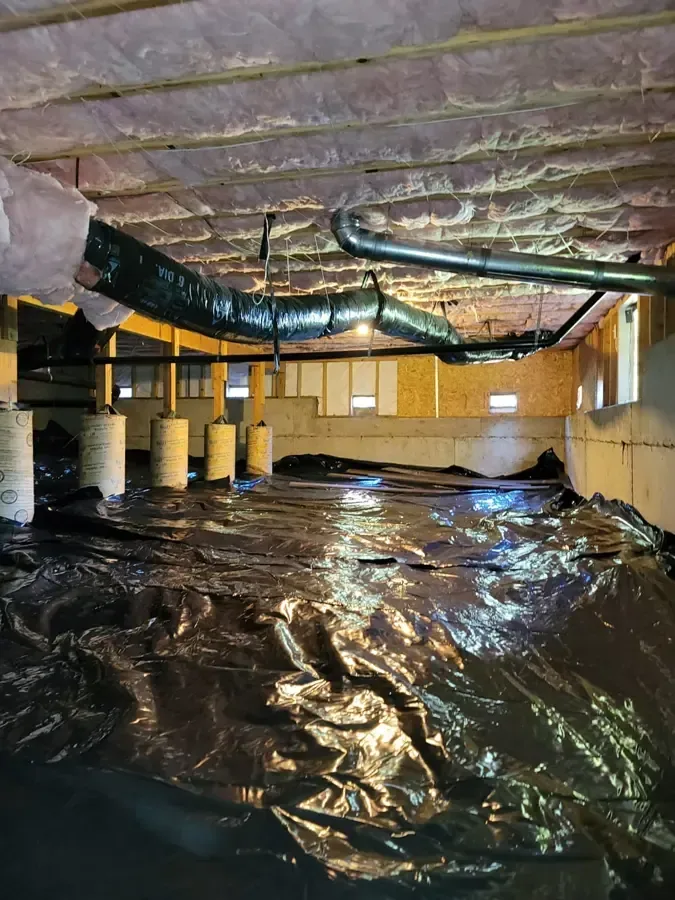
Crawl space water removal in Wakefield applies where a building has an accessible low cavity beneath the floor. The crew inspects its clearance, utility connections and accessible floor framing. Standing water, restricted movement and utility exposure make the entry assessment an essential part of the job.
The crawl space water removal process
Review entry conditions
The team evaluates clearance, utilities and the water source, then plans hose routes and safe access before placing equipment under the building.
Remove accumulated water
Pumping and extraction reduce standing water while the crew monitors continuing entry and directs discharge away from the affected structure.
Expose wet framing
Insulation and other materials receive a documented assessment. Necessary removal creates access to joists and the underside of the floor.
Measure underfloor progress
Airflow and dehumidification serve the accessible cavity. Repeated readings verify retained wood and identify areas that still need attention.
Establishing a safe route beneath the building
The team checks the opening, clearance and condition of utilities before bringing in pumps or extraction hoses. A low cavity can conceal sharp debris, unsupported materials and wet wiring. When the area cannot be entered safely, the appropriate professional evaluates the restriction before interior mitigation proceeds. Equipment placement must preserve an exit route.
Local coverage includes Greenwood, homes around Crystal Lake and properties near Water Street. The source in each low space may be plumbing, outside entry or another identifiable release. The crew records the route and contamination level before deciding how water and wet materials will leave the work area.
- Keep the access opening clear from outside so the crew can inspect without crossing stored items.
- Report electrical equipment in the wet space before anyone plans equipment power or entry.
- Document any continuing water entry and identify the observed route from a dry position.
- Avoid crawling in to move soaked insulation because clearance and utility hazards require assessment.
Water beneath a floor needs safe access and direct material readings. The crew checks the underside before insulation hides it again.
(888) 629-3140Discuss the underfloor waterRemoving water is the first material decision
Pumps and extraction tools address liquid accumulation, but wet insulation can keep moisture against the subfloor. The crew assesses insulation for removal and measures joists, supports and accessible underside surfaces. Soil, sheeting and stored debris also affect access. A drying plan should identify which surfaces need exposure rather than relying on a fan near the hatch.
Low clearance magnifies small hazards
Residents stay out of pooled water beneath the building. Restricted movement makes it harder to avoid wet wiring or retreat around equipment. The crew evaluates access and safe power before entry, then controls hose placement and debris removal so the work area stays navigable throughout the dry-out.
Keeping the underfloor assembly dry
Dehumidification and controlled airflow address retained moisture after source control and removal. The technician compares readings with suitable dry material and checks whether the subfloor remains wet above insulation pockets. Repairs to drainage or plumbing remain distinct from drying. The closing record identifies the conditions measured and any source work still needed.
The flood safety material supports avoiding unsafe water entry. The EPA leak-awareness information helps households recognize continuing supply losses.
Practical steps for crawl space water removal
Keep access unobstructed
A clear opening helps the crew evaluate the space without moving stored belongings through water. Residents can describe the layout from outside.
Identify the source separately
Drainage improvements and plumbing repair stop entry; mitigation addresses the water already present. The scope distinguishes those tasks instead of promising a universal fix.
Check insulation contact
Wet insulation can hold moisture against wood. The crew records its condition and explains removal before replacement material hides the underside again.
Use readings beneath the floor
The crew measures the joists directly inside the affected cavity. The drying record includes the accessible materials inside the affected cavity.
What does crawl space water removal cost in Wakefield, MA?
Crawl space water removal and drying often ranges from $1,500 to $6,000. Clearance, contamination, insulation removal and the extent of wet framing affect cost. Source repairs and encapsulation are separate scopes.
Accessible pooled water
$1,500 to $2,700
- Pumping
- Source assessment
- Initial readings
Wet insulation and joists
$2,700 to $4,200
- Controlled removal
- Drying access
- Equipment logs
Restricted broad loss
$4,200 to $6,000+
- Complex routes
- More materials
- Extended monitoring
Water category, affected square footage, material class and the delay before drying all change the scope. These planning ranges are not a quote. Compare the Wakefield water damage cost calculator with the written on-site scope.
Crawl space water removal coverage in Wakefield
Restoration coverage includes ZIP 01880, Greenwood, Downtown, Main Street, Water Street and homes around Lake Quannapowitt and Crystal Lake. The response team assesses the water source, affected materials and access before planning extraction and drying.
Nearby coverage reaches Reading, Melrose, Stoneham, Woburn, North Reading.
Related water damage services in Wakefield


Crawl Space Water Removal questions in Wakefield, MA
Can someone enter the crawl space before the crew arrives?
Residents should stay outside a wet low space. Wiring, debris and limited movement can make entry hazardous even when the water looks shallow. A clear description of the access opening and known utilities helps the crew plan a safer initial assessment.
Will one fan at the hatch dry the joists?
A fan near an opening may not reach the wet surfaces or remove enough moisture from the air. The drying team considers the cavity layout, insulation and humidity, then places equipment to serve the materials that readings show are affected.
Does wet insulation always need replacement?
Condition, contamination and the ability to dry it effectively determine the decision. Insulation can block access and hold moisture against the subfloor. The technician documents why material must come out and checks the exposed wood before replacement insulation is installed.
Can pumping solve recurring water entry?
Pumping removes existing water but does not necessarily correct the cause. A plumbing or drainage problem needs its own assessment and repair. The crew records continuing entry and coordinates the mitigation sequence so new water does not repeatedly saturate the structure.
How is the underfloor dry-out documented?
The record includes entry conditions, source observations, removed materials and readings from accessible joists and subfloor areas. Daily equipment logs show progress. The final notes distinguish verified drying from any remaining source repair or inaccessible material that still requires evaluation.
Is low-space water removal available overnight?
The response team offers 24/7 dispatch. Actual entry depends on safe access, utilities and conditions beneath the building. The household should describe standing water and any known supply break while keeping the hatch area clear and avoiding a preliminary entry.
Dry the materials below the occupied room
The restoration team removes pooled water and measures underfloor framing through a controlled drying process.
(888) 629-3140Arrange a crawl-space assessment