Storm and Flood Cleanup in Wakefield, MA
The storm cleanup team removes indoor floodwater, assesses contamination and dries accessible structural materials after the entry route is controlled. Emergency dispatch stays available 24/7 as conditions allow safe access.
(888) 629-3140Runoff inside? Discuss flood cleanup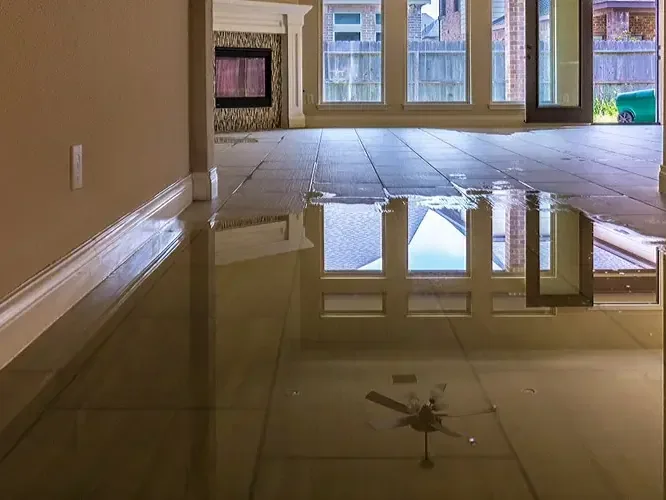
Storm and flood cleanup in Wakefield starts by understanding how outside water entered. A door threshold, a foundation opening and a damaged roof create different cleanup paths. The restoration team records the entry route and the interior spread before deciding what can be cleaned, what needs removal and where drying equipment belongs.
The storm and flood cleanup process
Assess entry and hazards
The crew records the route, water mark and ongoing weather conditions. Electrical and structural concerns receive attention before interior removal begins.
Extract and clear debris
Pumps and extractors remove water where safe. Controlled debris handling protects dry routes and gives the crew access to affected finishes.
Clean the remaining assembly
The team evaluates porous materials, removes unsalvageable layers and cleans accessible surfaces before establishing the indoor drying environment.
Monitor retained moisture
Repeated readings follow framing and floor recovery. Photos and logs show which areas are ready for repair and which still need drying access.
Outside water changes material decisions
Runoff can carry soil, debris and contaminants into a room. The crew assesses the water category before operating air movers or attempting to save porous finishes. Extraction clears liquid water, while controlled removal opens access to affected layers. The goal is a clean, accessible assembly that can dry effectively, not simply a floor without a puddle.
Lake Quannapowitt feeds the Saugus River, while Crystal Lake serves part of the town's drinking-water supply. These water features belong to the local landscape; the technician establishes the actual source at the affected property. A storm loss near Water Street may require a very different scope from an interior pipe release.
- Record the highest visible water mark safely before extraction changes the original scene.
- Separate wet contents by material and exposure while keeping contaminated items away from clean storage.
- Keep debris out of dry access routes and preserve a clear emergency exit.
- Document ongoing entry before finishes are removed so source repairs match the observed route.
Outdoor water inside a room needs a contamination and access assessment. The restoration crew plans removal, cleaning and drying around the actual entry route.
(888) 629-3140Discuss indoor stormwaterAccess waits for safe conditions
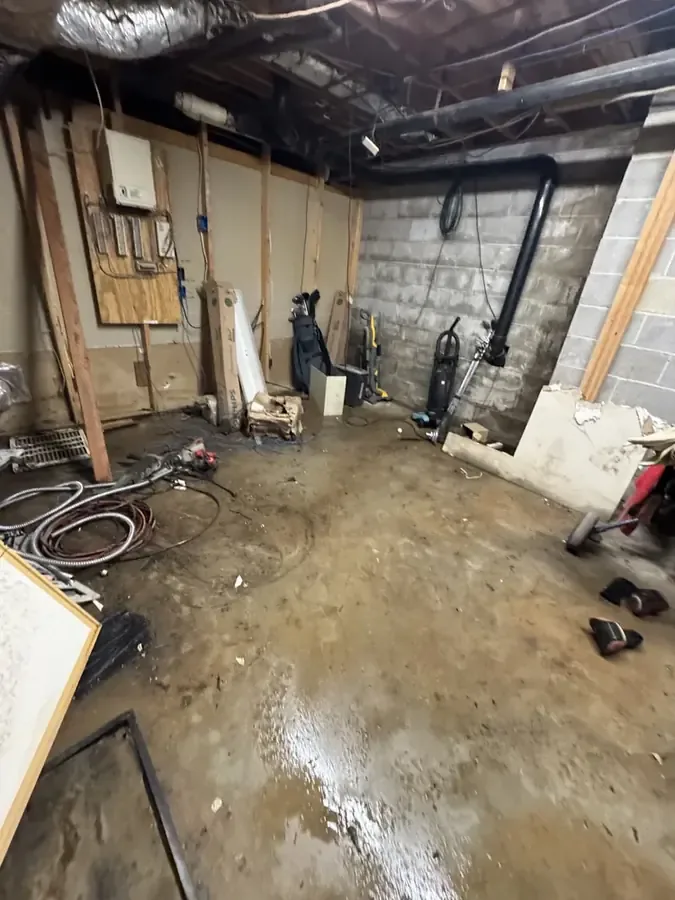
Flooded rooms may contain hidden steps, sharp objects or electrical exposure. The crew evaluates those conditions before pumping and checks whether water continues to press against the building. Where structural stability is uncertain, the appropriate professional assesses it before work proceeds. Removal speed must suit the building and the surrounding conditions.
Floodwater is not a household cleaning task
Residents stay out of moving water and keep children and pets away from flooded rooms. Appliances and electrical systems need appropriate evaluation after wetting. The crew establishes safe access, handles debris with protective equipment and avoids dispersing contaminated moisture through the rest of the building.
Keeping the recovery record clear
After removal and cleaning, technicians track retained moisture in framing and subfloors. The record identifies water entry, discarded contents, opened finishes and equipment use. A storm can create more than one cause of loss, so roof entry and ground-level runoff should be described separately. The insurer determines which coverage applies to each cause.
The Ready.gov flood guidance addresses floodwater hazards. The National Weather Service flood safety material explains why moving water and changing conditions require caution.
Practical steps for storm and flood cleanup
Wait outside unsafe areas
Residents avoid entering floodwater to rescue belongings. The condition of electrical equipment and the floor beneath the water may be impossible to judge visually.
Describe each entry point
A roof opening and water at a doorway may belong to the same storm but need different repairs. The assessment records them separately.
Protect the claim evidence
Photographs, water marks and inventories help describe the damage before disposal. The crew records removal decisions without promising a coverage outcome.
Keep the boundary controlled
Dry rooms remain outside the contaminated work path. Equipment and debris routes receive planning so cleanup does not spread the loss through the home.
What does storm and flood cleanup cost in Wakefield, MA?
Storm and flood cleanup often ranges from $2,500 to $12,000 or more. Water depth, contamination, debris, wet contents and the number of affected assemblies determine the mitigation scope.
Limited indoor entry
$2,500 to $4,500
- Water removal
- Material assessment
- Initial cleaning
Multiple rooms
$4,500 to $8,000
- Debris handling
- Porous removal
- Drying logs
Extensive flooding
$8,000 to $12,000+
- Complex access
- Broad cleanup
- Extended equipment
Water category, affected square footage, material class and the delay before drying all change the scope. These planning ranges are not a quote. Compare the Wakefield water damage cost calculator with the written on-site scope.
Storm and flood cleanup coverage in Wakefield
Restoration coverage includes ZIP 01880, Greenwood, Downtown, Main Street, Water Street and homes around Lake Quannapowitt and Crystal Lake. The response team assesses the water source, affected materials and access before planning extraction and drying.
Nearby coverage reaches Reading, Melrose, Stoneham, Woburn, North Reading.
Related water damage services in Wakefield

Storm and Flood Cleanup questions in Wakefield, MA
Is floodwater treated like a clean supply leak?
No. Outdoor water may carry contaminants and debris that change the cleaning and salvage plan. The crew assesses exposure before placing air movers. Porous materials that could be dried after a clean release may need removal after contaminated runoff enters them.
Can cleanup begin while rain continues?
Some protective work may proceed when access is safe, but continuing entry can defeat a drying setup. The team checks the source route and current hazards. Effective recovery requires a stable plan for stopping or controlling incoming water alongside the interior mitigation.
Does living near a lake determine flood insurance coverage?
Coverage depends on the policy and the cause of water entry. A landmark does not decide a claim. The household should ask the insurer about flood coverage and provide a clear record distinguishing ground-level runoff, roof entry and other sources.
Should wet furniture be thrown out immediately?
Safety comes first, but photographs and an inventory should precede disposal when practical. Material, contamination and cleaning access influence salvage. The restoration team can document the condition and explain why an item requires removal rather than moving it into a clean room.
How is the end of drying established?
The team compares repeated readings with appropriate dry references and checks concealed layers that remain accessible. Surface appearance alone is insufficient. The closing record describes material conditions and any work still needed before the household proceeds with finish replacement.
Is storm response available after business hours?
The response team maintains 24/7 dispatch. Severe weather, road access and building safety affect when work can begin. The first assessment prioritizes electrical exposure, continuing entry and the rooms affected so the household understands the next safe action.
Start recovery with the entry route
The cleanup team removes floodwater and debris, documents affected materials and monitors the structure through drying.
(888) 629-3140Arrange storm-loss assessment