Water Damage Restoration Woburn, MA
A wet floor can conceal a much larger problem beneath cabinets or behind walls. Woburn water damage cleanup starts by locating the source and tracing where the water traveled.
(888) 629-3140Arrange a Woburn damage assessmentThe affected rooms, water source and safe entry route shape the cleanup plan before equipment is positioned.
Water can arrive through several different routes
The city identifies flooding as its most serious natural hazard. Interior plumbing failures need a separate assessment, with the cleanup matched to how water actually entered the building.
Removal leads into cleaning and measured drying
Each stage resolves a different part of the loss. Equipment alone cannot correct continued water entry, contaminated finishes or an enclosed assembly that has no drying access.
Choose the problem that matches the damage
Different leaks leave different cleanup needs. Select the affected system or space for details about extraction, material decisions, drying access and the next practical step.

Water Extraction and Removal
Standing water is removed first, followed by checks beneath floor edges and around the furniture footprint.
Water Extraction and Removal details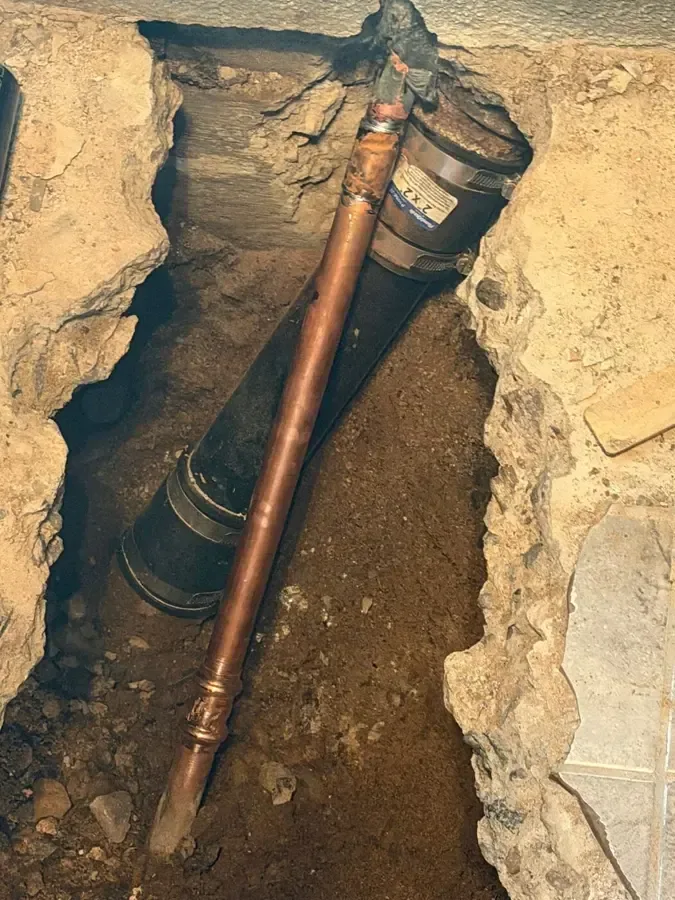
Slab Leak Water Damage
Damp flooring above concrete needs source tracing and moisture measurements before repair access is planned.
Slab Leak Water Damage details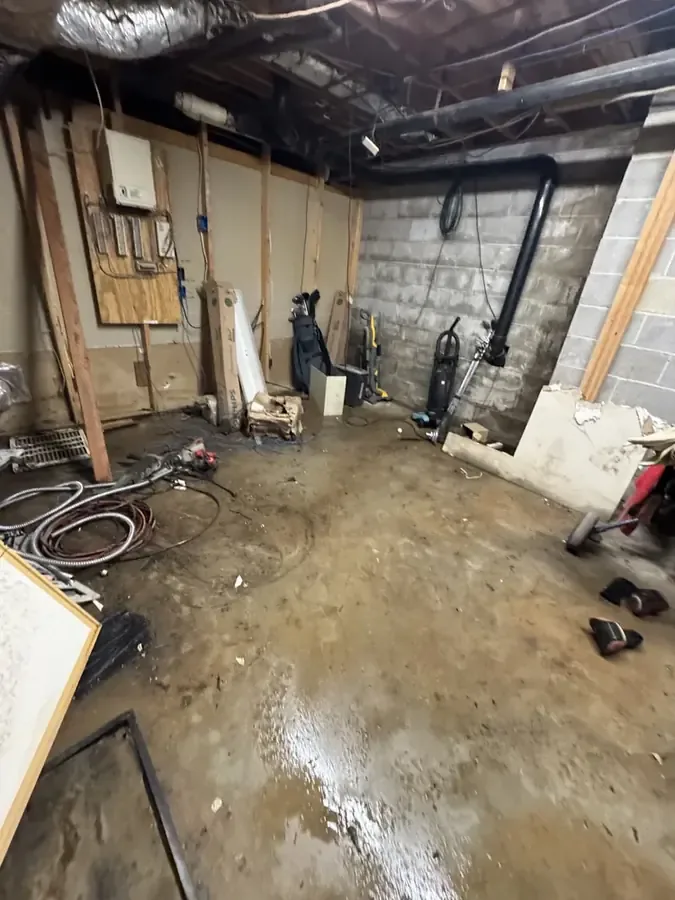
Sewage Backup Cleanup
A backed-up drain requires restricted access, contaminated material assessment and cleaning before exposed surfaces can dry.
Sewage Backup Cleanup details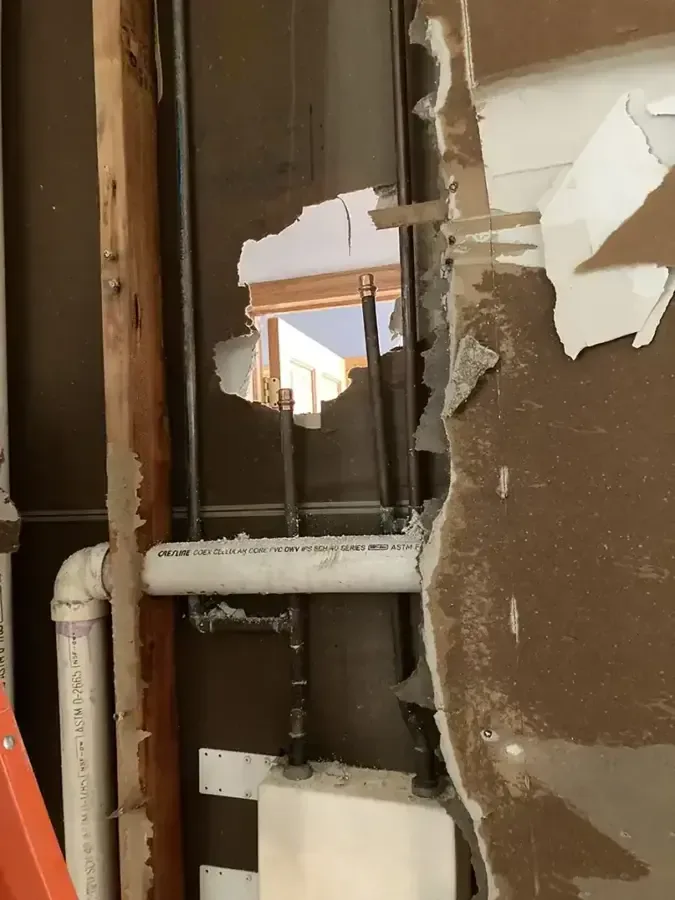
Burst Pipe Water Damage
Escaping supply water can cross rooms through cavities; the cleanup follows its path beyond the broken fitting.
Burst Pipe Water Damage details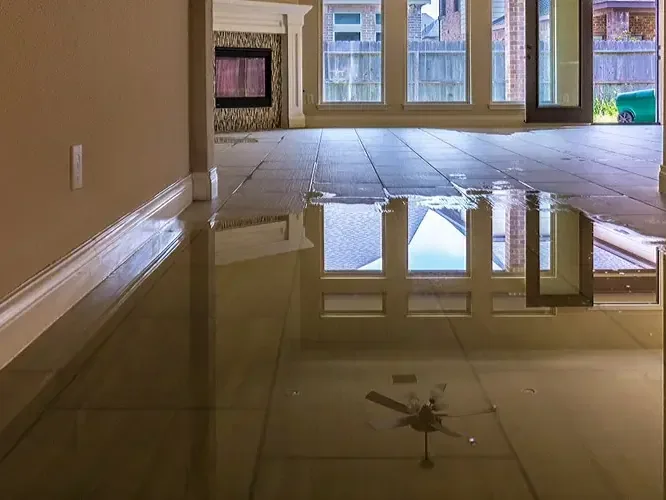
Storm and Flood Cleanup
Outdoor water entering a building brings sediment and uncertainty about contamination, changing the removal and cleaning approach.
Storm and Flood Cleanup details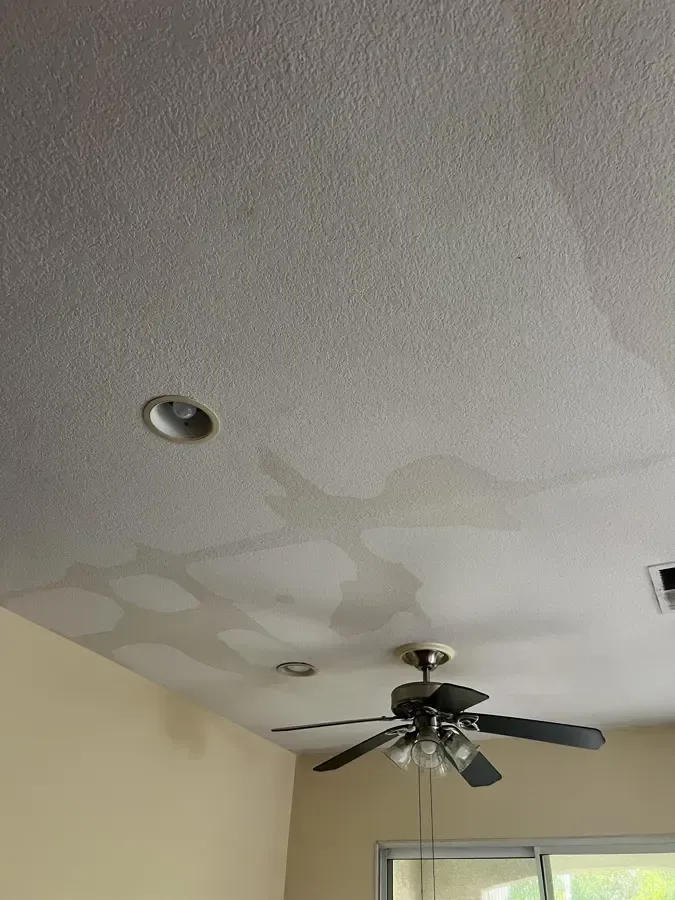
Roof Leak Water Damage
Roof entry can wet insulation before a ceiling stain appears; assessment follows the overhead water route.
Roof Leak Water Damage details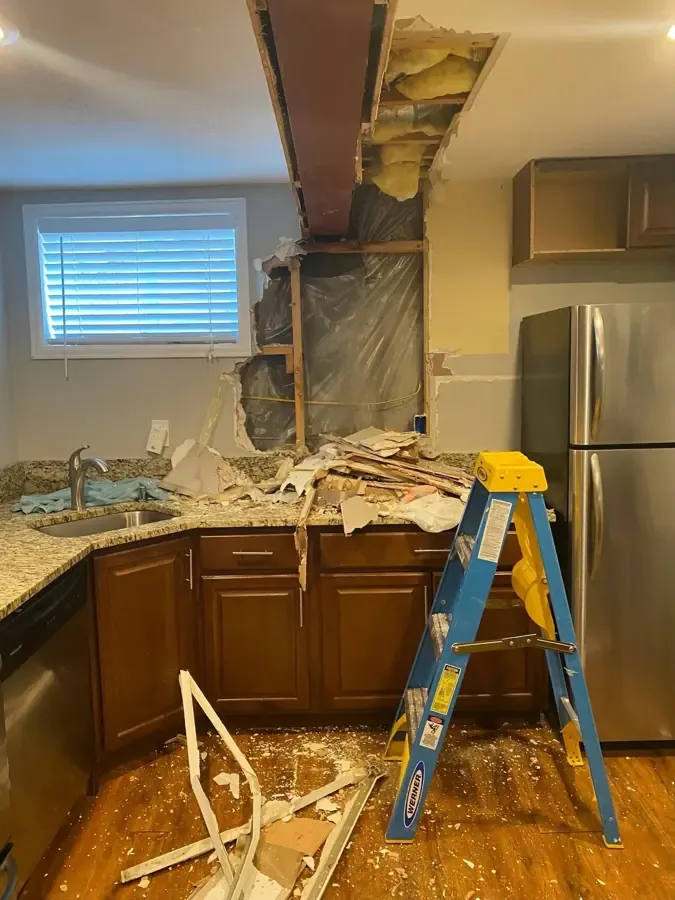
Ceiling Leak Water Damage
Sagging finishes and hidden overhead moisture need controlled access with the space below kept clear.
Ceiling Leak Water Damage details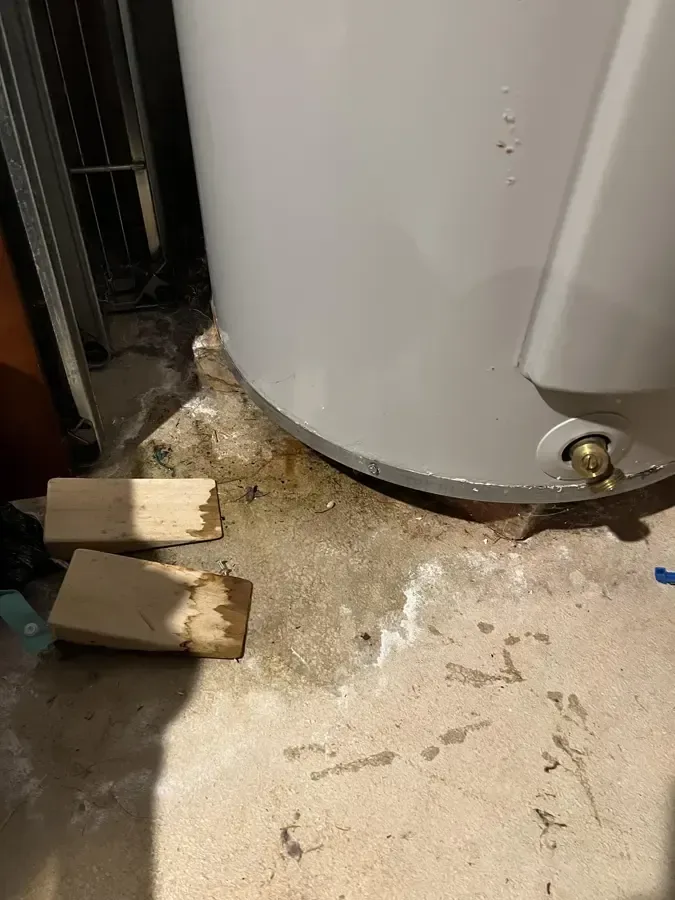
Water Heater Leak Cleanup
Tank leakage can reach wall bottoms and adjoining rooms even after the utility floor looks dry.
Water Heater Leak Cleanup details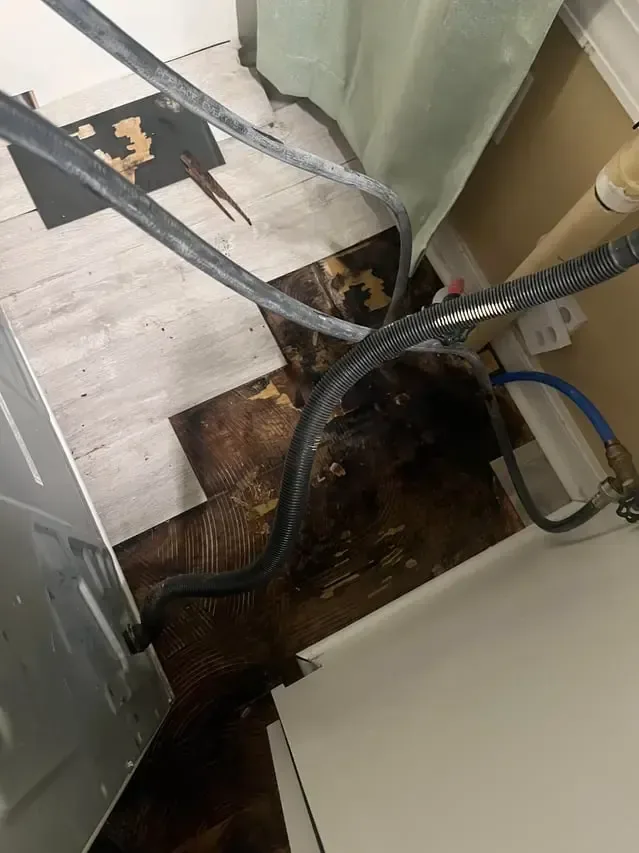
Appliance Leak Water Damage
Water beneath a washer, refrigerator or dishwasher requires access around connections, cabinets and layered flooring.
Appliance Leak Water Damage details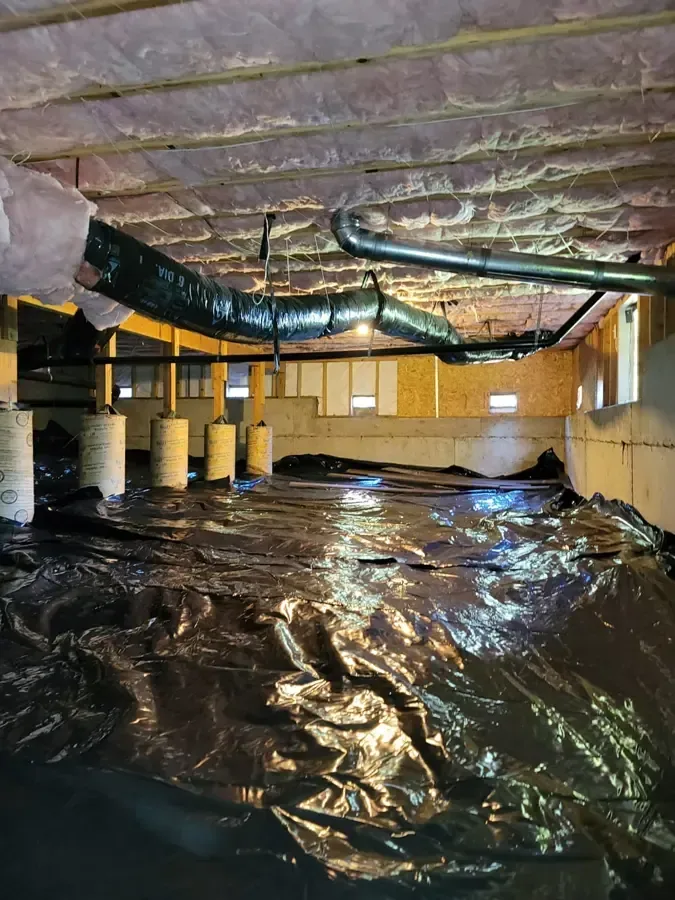
Crawl Space Water Removal
Pooling beneath a building calls for safe entry planning and inspection of insulation and floor framing.
Crawl Space Water Removal details
Structural Drying and Dehumidification
Moisture readings determine how long wet framing and floor assemblies need directed airflow and humidity control.
Structural Drying and Dehumidification details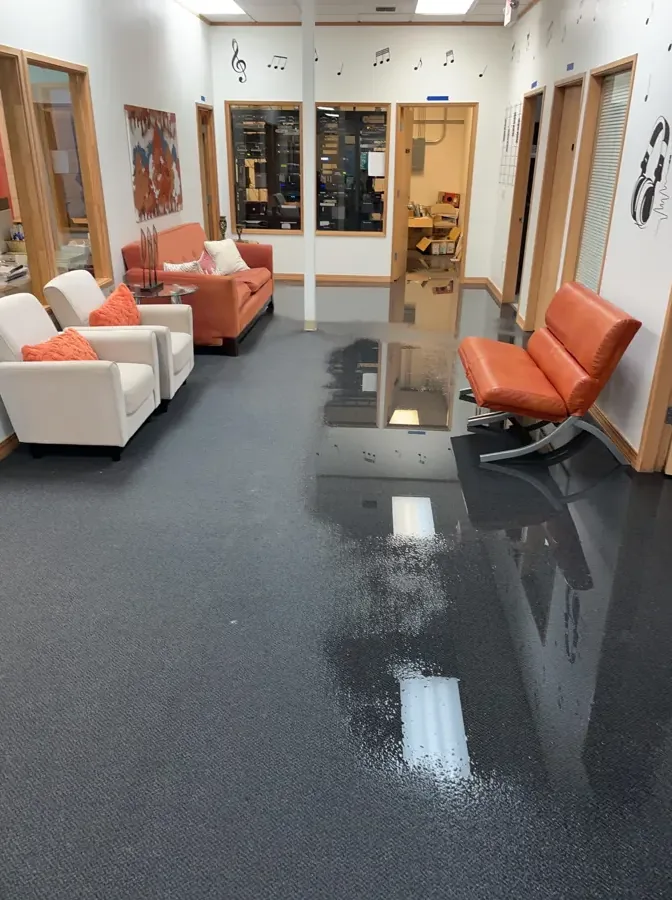
Commercial Water Damage
Business cleanup separates wet work areas from usable space while protecting access and documenting damaged materials.
Commercial Water Damage details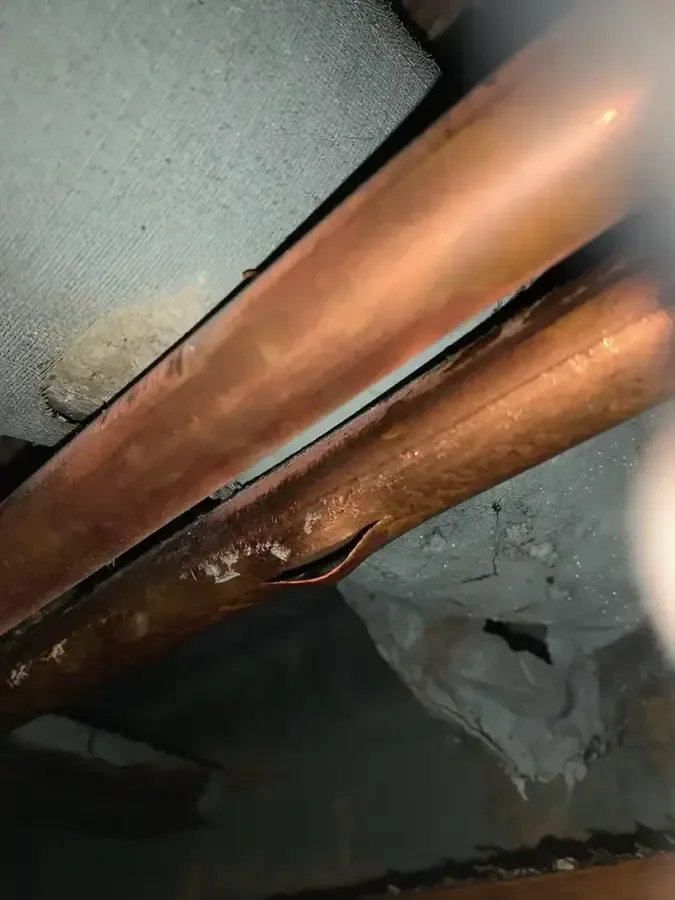
Frozen Pipe Water Damage
A thawing pipe may release water inside an exterior cavity before leakage becomes visible indoors.
Frozen Pipe Water Damage details
Basement Flooding Cleanup
Lower-level cleanup considers incoming water, contents, stair access and the condition of finished walls.
Basement Flooding Cleanup details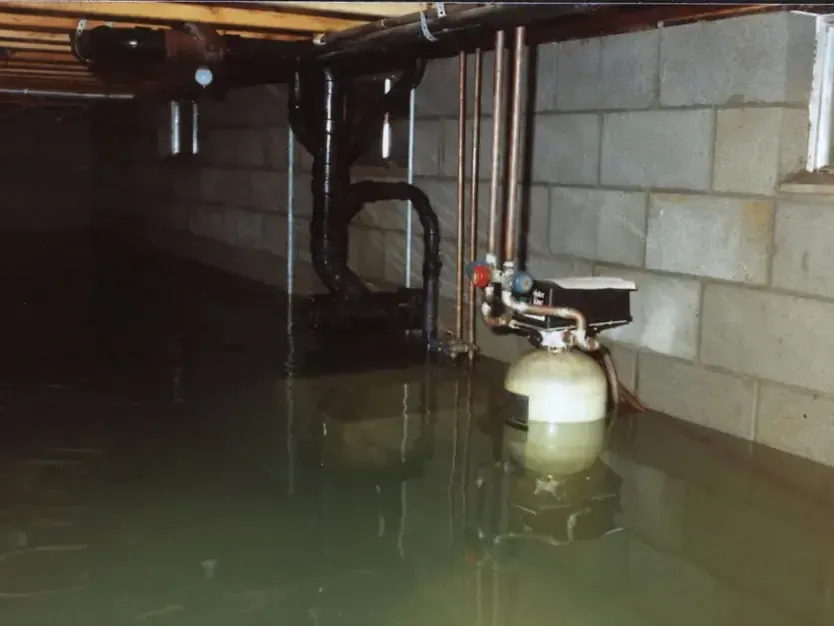
Sump Pump Failure Cleanup
Overflow cleanup includes attention to continuing inflow and the discharge route before basement drying proceeds.
Sump Pump Failure Cleanup detailsMake the first decisions from dry ground
The cleanup scope should account for hidden moisture as well as visible puddles. Inspection, material access and repeat readings connect the initial water removal to a defensible drying endpoint.
(888) 629-3140Discuss access for the cleanup- Keep people clear
A wet electrical area or sagging ceiling needs restricted access. Children and pets should stay outside the affected room.
- Stop accessible supply water
An accessible shutoff may stop a plumbing leak when reaching it requires no contact with standing water or electrical equipment.
- Record the visible damage
Photographs from a safe position should show the water path, affected finishes and contents before anything is moved.
- Separate wet belongings
Undamaged possessions can be moved from dry access routes. Contaminated items need separate handling rather than transport through clean rooms.
- Describe the source
The assessment starts with what happened, whether water still enters and which floors or rooms show visible damage.
How the dry-out works
Define the wet area
Inspection marks affected rooms and checks adjoining surfaces so hidden spread is included in the initial cleanup plan.
Remove accessible water
Extraction reduces standing water while contents and exposed materials are evaluated for cleaning, drying or removal.
Open necessary drying paths
Selective access allows wet cavities to be treated without removing sound material solely because it is nearby.
Verify before closing
The final moisture assessment documents material condition and identifies repair needs before walls or floors are covered again.
Woburn water damage service coverage
Describe the building and the access
Service planning considers the affected floor, entry route and any occupied rooms that must remain separate from the cleanup area.
For the full range of nearby coverage, see the service area information before arranging access to a property.
Woburn, MA · [email protected]
View additional coverage areasNeighborhoods and local landmarks
City ZIP codes
Additional service areas
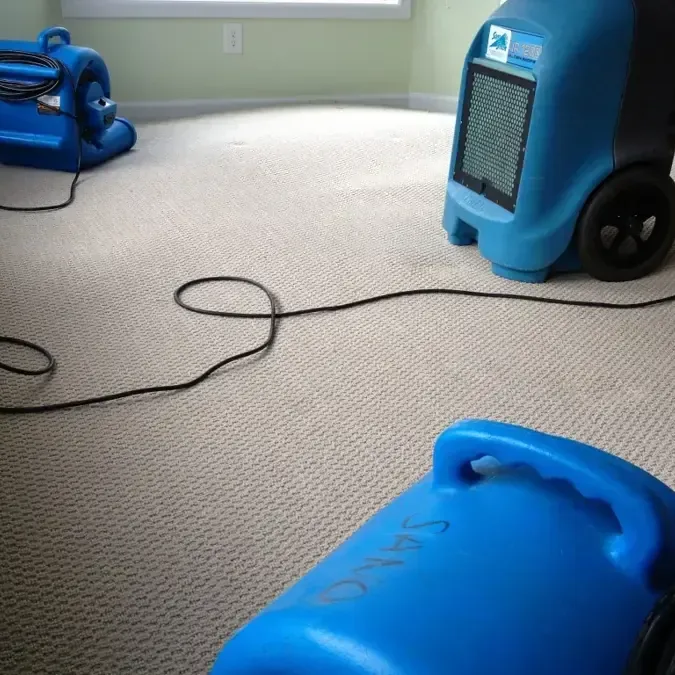
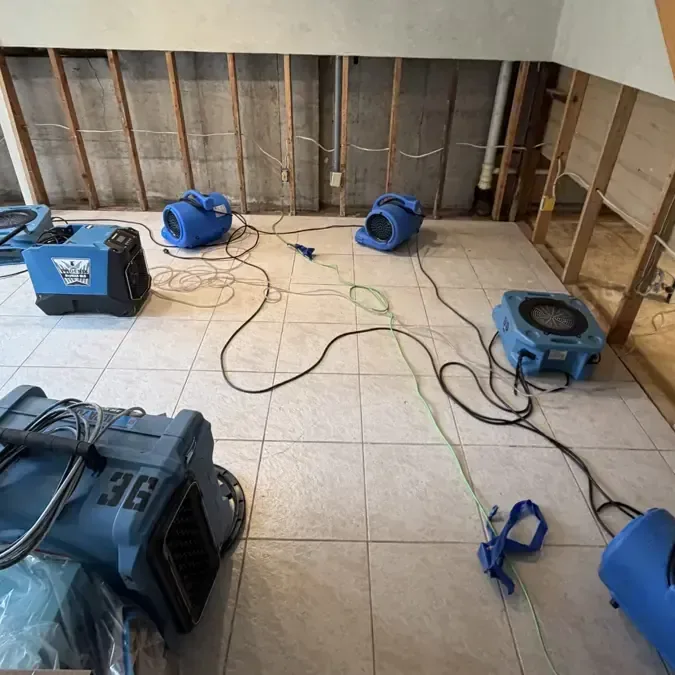
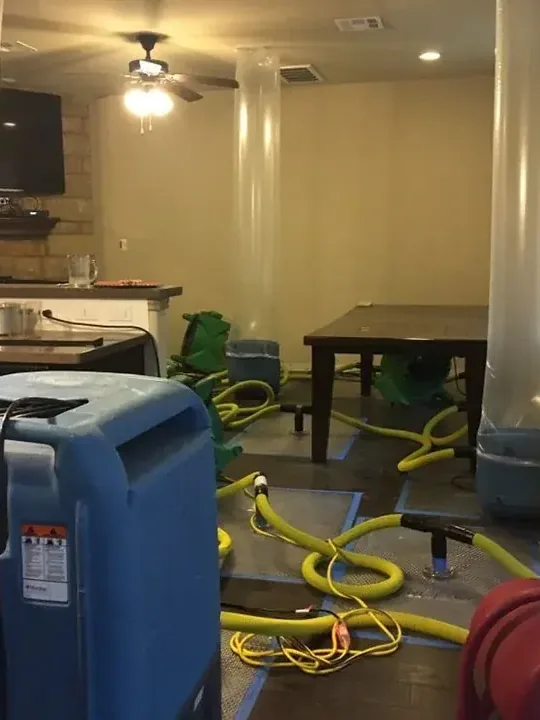
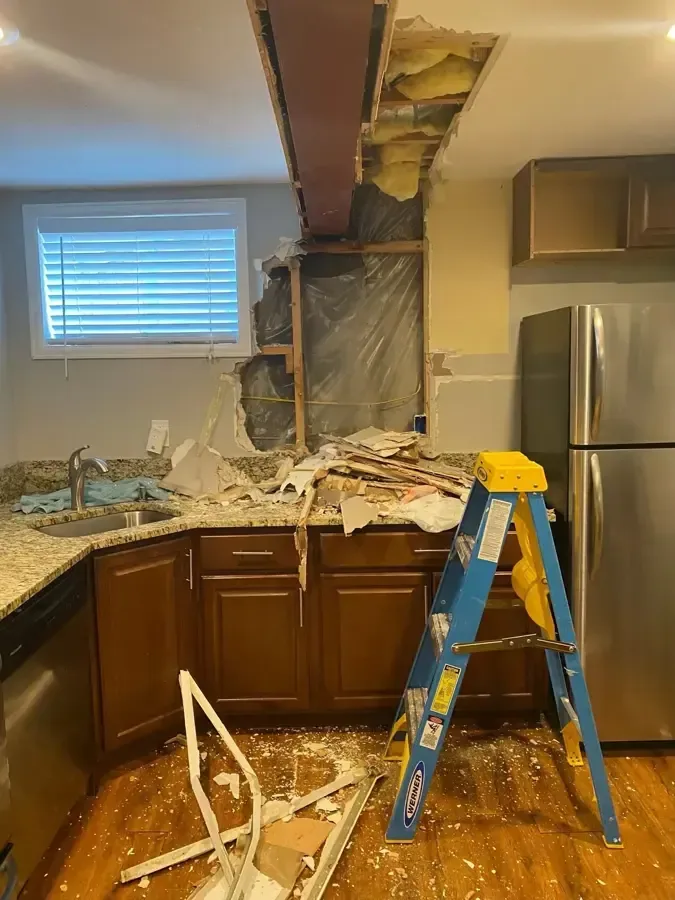
Equipment, access and exposed materials during water cleanup
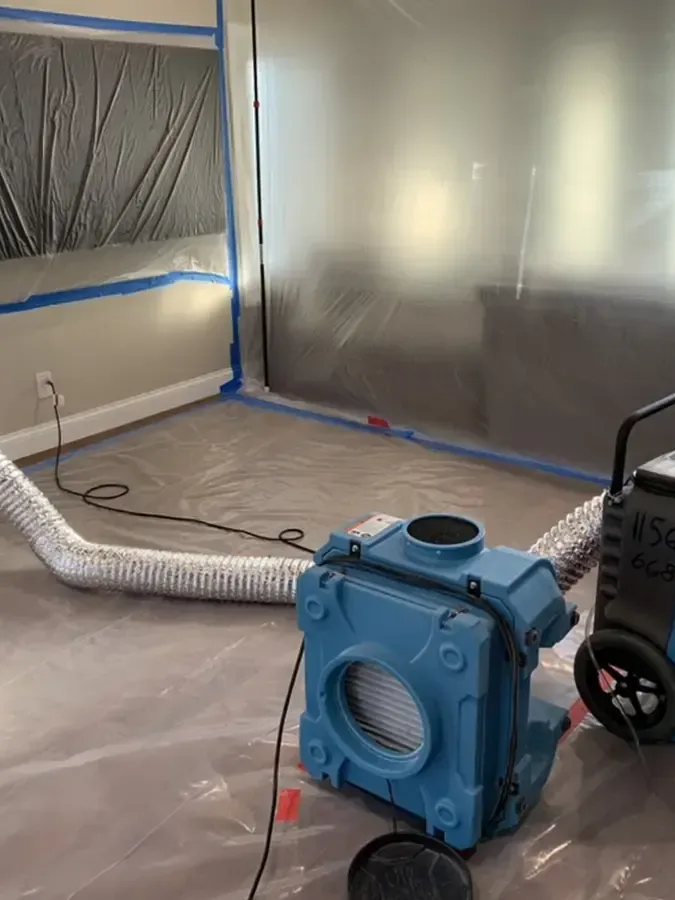
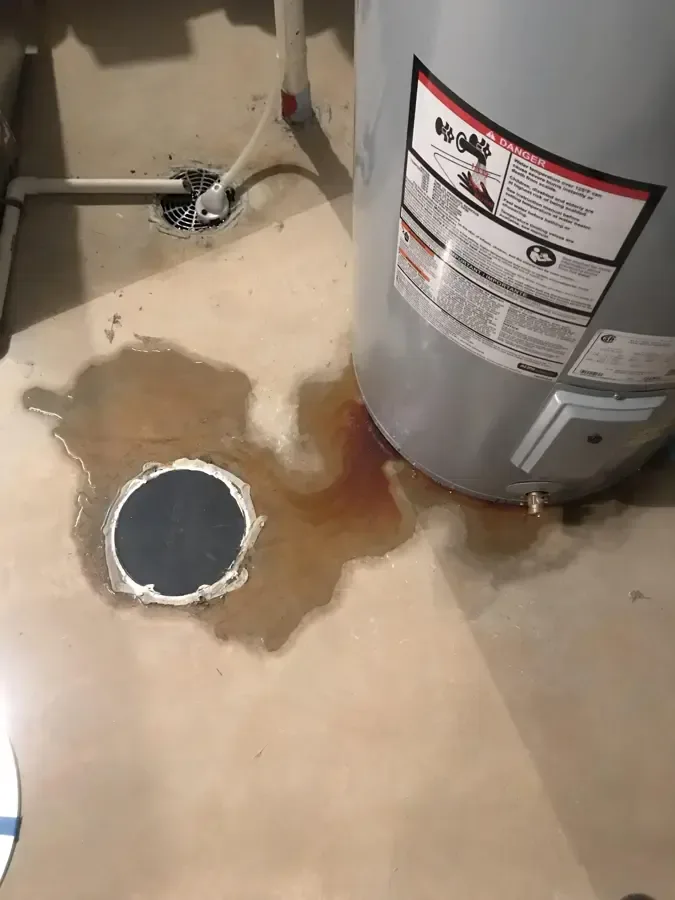
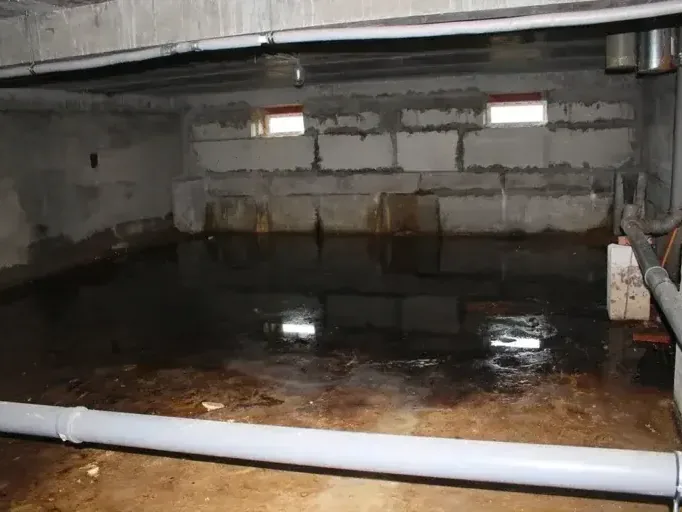
A dry surface is only one checkpoint
Trace beyond the stain
Water can travel along a floor assembly or inside a partition, so the inspection extends beyond the most obvious wet patch.
Explain material removal
Swollen, contaminated or inaccessible finishes need a specific decision, with the reason recorded before removal expands the work area.
Track drying progress
Repeat measurements show whether equipment placement is helping and whether an enclosed pocket needs a different approach to reach dry condition.
Keep a useful record
Room photographs, affected material descriptions and drying notes provide a clearer repair handoff than an estimate with a single unexplained total.
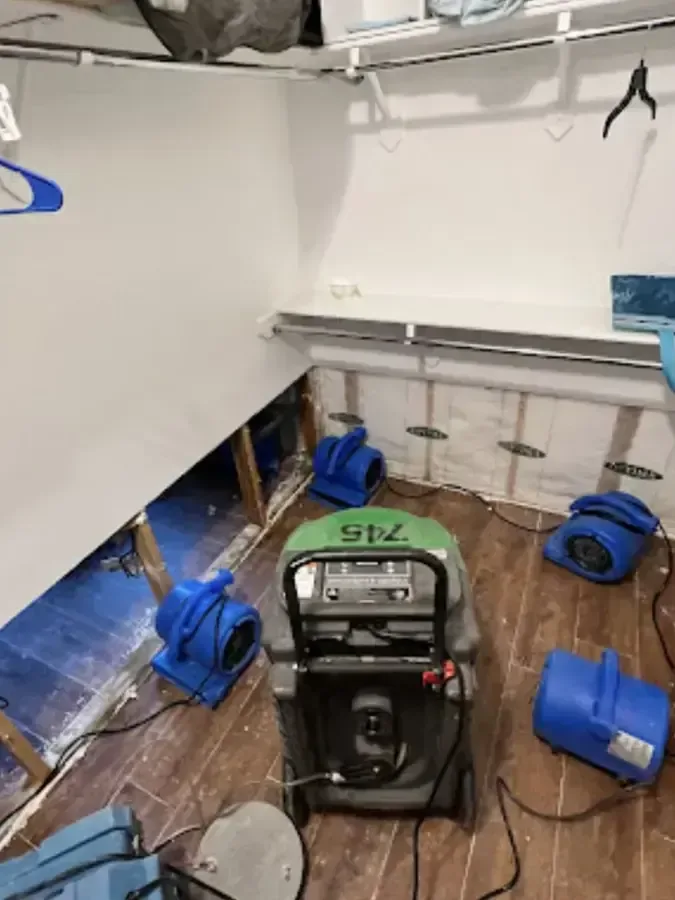
Document cause, damage and cleanup separately
A useful loss record distinguishes the failed component from the materials it wetted. Photos and itemized mitigation notes help explain the work when the claim is assessed.
- Photograph each affected room before cleanup
- Keep the failed component when practical
- Record when leakage was discovered
- Save itemized invoices and equipment notes
- List damaged belongings with supporting photographs
When paying without a claim
A direct payment plan still benefits from a written scope separating water removal, material disposal and drying from the eventual rebuilding work.
Questions about authorization, access and payment should be settled before the cleanup expands into additional rooms or concealed spaces.
What changes water cleanup costs in Woburn?
Woburn cleanup costs depend on the water source, affected materials, access and the amount of drying needed. A contained room differs from water beneath several finished spaces, and the written scope should explain those differences before work begins.
Contained wet room
$1,000 to $2,500
- Surface extraction
- Moisture checks
- Focused equipment placement
Several affected assemblies
$2,500 to $6,000
- Cavity assessment
- Controlled removal
- Broader drying setup
Extensive interior damage
$6,000 to $12,000+
- Multiple work zones
- Material handling
- Documented drying progress
These planning ranges describe cleanup scope rather than a fixed offer. Source repairs, replacement finishes and unusual access conditions need clear treatment in the written estimate.
Similar puddles can need different cleanup methods
Supply pipe release
A fresh plumbing escape can spread quickly through adjoining materials. The team checks the source, exposure and actual condition of affected finishes.
Follow the rupture pathAppliance discharge
Water escaping an appliance may carry residue and collect beneath cabinets. Connection checks and floor access help establish the appropriate cleaning scope.
Inspect beneath the applianceDrain contamination
Sewage entering occupied space requires isolation and careful material handling. Cleaning decisions come before airflow is used to dry the exposed assembly.
Contain the affected room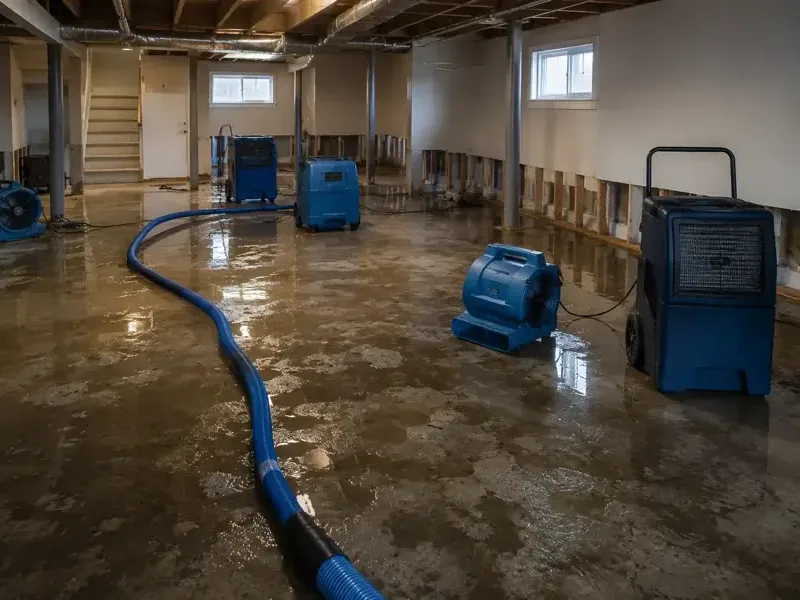
February 2026: A winter storm prompted Woburn Public Schools closures on February 23 and February 24, illustrating the disruption that severe winter weather can bring.
Horn Pond Brook
Roads and residences near Horn Pond Brook already experience flooding. A cleanup assessment should record where outdoor water crossed the building envelope and what it contacted.
Separate drainage systems
Sanitary sewers and stormwater drainage operate separately. Water emerging from a floor drain needs different source tracing from runoff entering through a doorway or foundation opening.
Waterway connections
Storm drains carry runoff to the Aberjona River, Walker Pond and Shaker Glen Brook. Outdoor floodwater entering a room requires attention to sediment and contamination.
Wetland storage
The Conservation Commission describes wetlands storing and slowly releasing floodwater. Lower-level cleanup planning should account for continued entry before enclosed wet materials are prepared for drying.
Varied building assemblies
The city describes diverse historic New England architectural styles. Actual wall and floor construction determines inspection access, material removal and the drying approach after a leak.
Questions before water damage cleanup begins
What should happen while water is still entering?
Source control comes first. A reachable supply shutoff may stop a plumbing release, while outdoor inflow needs a different approach. Nobody should enter standing water around electrical equipment. The assessment should identify the continuing entry before drying equipment is arranged.
Can the floor look dry while remaining wet underneath?
Yes. A surface can lose its visible water while the underlayment or a wall cavity remains damp. Moisture measurements and selective access help establish the true extent. Structural drying addresses those remaining materials after accessible water has been removed.
Does living near Horn Pond require a different assessment?
The source and entry route determine the cleanup. Flooding near Horn Pond Brook is a documented local concern, but the property inspection still needs to establish what entered this building. Exterior runoff, a drain backup and a supply leak require different material decisions.
Are wet belongings always thrown away?
No. Material type, water exposure and contamination affect that decision. Hard cleanable items may receive a different treatment from saturated porous contents. Photographs and a room inventory should be made before disposal, with items separated so they do not wet unaffected rooms.
What information makes an estimate useful?
An estimate should identify the affected rooms, extraction work, material removal, cleaning and drying equipment. It should also explain assumptions about concealed damage. Pipe repairs and replacement finishes need separate clarification so the property owner can understand the full sequence and likely remaining work.
How is a sewage backup handled differently?
The affected space needs isolation before cleanup begins. Porous finishes and contents are evaluated for contamination, and exposed surfaces need cleaning before drying. The sewage cleanup service describes that process and the reason ordinary household fans should not circulate air through the spill.
Can someone stay elsewhere in the building?
That depends on safe access, utilities, contamination and whether the work area can be separated. A dry bedroom alone does not settle the question if the route passes through the affected space. Occupancy should be discussed during assessment rather than assumed from the visible footprint.
Does insurance always pay for the cleanup?
Coverage depends on the policy and cause of loss. The insurer makes that decision. A clear record of discovery, source repairs, damaged rooms and mitigation work supports the assessment, while the cleanup agreement should state who authorizes work and how payment is handled.
When can replacement flooring or drywall be installed?
Repairs should follow source correction and documented drying of the materials that remain. Covering a damp assembly can conceal an unfinished problem. The drying record should identify measurement locations and any areas that still need attention before the repair contractor closes them.
Put the next cleanup decision on firm ground
Describe the water source, affected rooms and access concerns so the restoration assessment can focus on the building's immediate needs.
(888) 629-3140Arrange the next cleanup step