Sewage Backup Cleanup in Woburn, MA
Water rising through a drain needs a controlled cleanup area. Sewage backup work in Woburn separates contamination handling from the plumbing diagnosis so both the cause and damaged rooms receive attention.
(888) 629-3140Arrange controlled sewage spill cleanup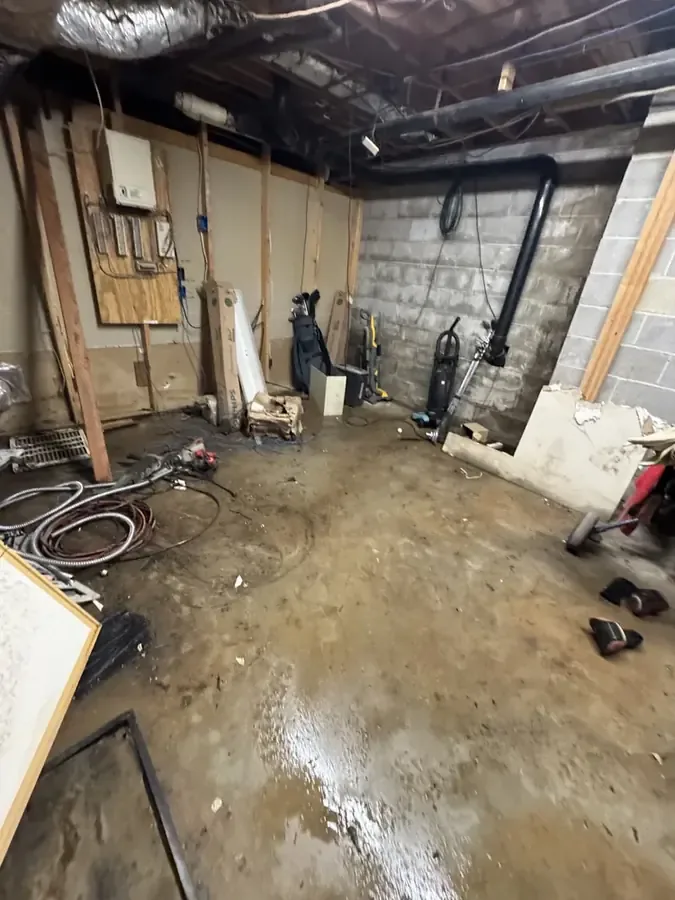
A backup can leave contaminated water in floor seams, behind trim and under stored possessions. The visible puddle is only part of the cleanup. Access control and a material assessment come first, followed by extraction, removal where necessary and treatment of the exposed surfaces.
The sewage backup cleanup process
Define contamination boundaries
The team traces the backup through rooms, contents and connected finish layers, establishing the work area and a route for equipment and removed materials.
Extract and remove unsuitable finishes
Accessible sewage is collected, and affected porous materials are evaluated for removal according to their exposure and the ability to treat them appropriately.
Clean the remaining assembly
Exposed surfaces receive the required cleaning treatment, including attention to seams and edges where residue can persist after visible water has been removed.
Dry and document the space
Moisture measurements direct the dry-out of retained materials, while the handoff records treated areas, removed finishes and any outstanding source correction needs.
Understand the drain system involved
Woburn has separate sanitary sewer and stormwater systems. The city collection system discharges into the Massachusetts Water Resources Authority sewer, while storm drainage carries runoff toward local waterways. A spill through an indoor drain needs its own source investigation rather than an assumption that nearby rainfall explains everything.
The Sewer Department installs, maintains and repairs common sanitary sewers and storm drains. Whether a property is around Central Square, in Cummingsville or near Shaker Glen Conservation Area, the cleanup record should identify the actual fixture or opening involved and the rooms reached by the backup.
A drain backup needs a controlled work area and a cleanup scope that follows every contacted material before the room can be repaired.
(888) 629-3140Discuss sewage contamination indoorsContain the affected materials
Foot traffic can spread residue beyond the original room. A controlled work route helps keep wet contents, removed finishes and cleaning equipment separate from occupied space. Ordinary fans should not be aimed across an untreated spill because moving air can distribute contamination.
- Keep children, pets and unprotected occupants outside the affected area.
- Leave contaminated porous contents separated until their handling is decided.
- Record the water path before removal changes the appearance of the room.
- Discuss plumbing correction so cleanup is not followed by another backup.
Porous finishes need individual decisions
Carpet padding, drywall and other absorbent materials can retain contamination. Their location, exposure and condition determine removal needs. A hard surface may be cleanable, but its seams and underlying assembly still require inspection before it is retained.
Clean exposed surfaces before the dry-out
Once accessible sewage and unsuitable materials are removed, cleaning focuses on the remaining affected assembly. The structural drying stage follows that work, with equipment arranged to reach retained moisture rather than simply circulate air through an untreated room.
When the spill occupies a lower level, basement cleanup also needs a safe stair route and a plan for stored contents. Final notes should distinguish the corrected drain problem, contamination treatment and material drying so the repair handoff is clear.
Practical steps for sewage backup cleanup
Close access to the spill
Occupants and pets should remain outside the affected room. Footwear and possessions that contacted sewage should not be carried through clean living areas without controlled handling.
Stop contributing water use
Fixtures associated with the backup should remain unused until the drainage problem is assessed. Additional discharge may increase the spill and extend contamination into adjoining spaces.
Keep household fans switched off
Air should not be pushed across untreated sewage. Equipment placement follows containment and cleaning decisions, with electrical safety considered before entering the wet area.
Document from an unaffected position
Photographs can record the drain opening, water spread and damaged contents when taken without entering the spill. Disposal decisions should be discussed before items are removed.
What does sewage backup cleanup cost in Woburn, MA?
Sewage backup cleanup in Woburn ranges from $2,000 to $9,000+ across these scopes. Contamination spread, porous material removal, room access and cleaning requirements determine the estimate before the remaining assembly is dried.
Contained bathroom
$2,000 to $3,500
- Spill isolation
- Surface cleaning
- Moisture assessment
Room and finishes
$3,500 to $6,000
- Porous material assessment
- Controlled disposal
- Exposed assembly treatment
Multiple affected rooms
$6,000 to $9,000+
- Expanded containment
- Room separation
- Documented drying work
Water category, affected square footage, material class and the delay before drying all change the scope. These planning ranges are not a quote. Compare the water damage cost calculator with the written on-site scope.
Sewage backup cleanup coverage in Woburn
Sewage cleanup serves Woburn properties with affected bathrooms, basements and connected rooms. The work plan accounts for occupied areas, removal routes and the separation needed to prevent contaminated items from crossing clean spaces.
The same service nearby: sewage backup cleanup in Wakefield, Stoneham, Reading.
Related water damage services in Woburn


Sewage Backup Cleanup questions in Woburn, MA
Should occupants walk through the room to shut off a fixture?
They should avoid entering sewage or a wet electrical area. Access decisions depend on the route and hazards present. Fixtures can remain unused while safe isolation is arranged, and the cleanup assessment should identify how further discharge can be prevented.
Can the smell alone show where cleaning is needed?
Odor is not a reliable boundary for contamination. The inspection follows the actual water path across surfaces, under finishes and around contents. Material contact and exposure determine the cleanup scope, including areas that may have little noticeable odor.
Will a drain repair also clean the room?
Source correction and room cleanup are separate tasks. A repaired blockage may stop further discharge while contaminated finishes remain wet. The mitigation scope addresses extraction, material removal, cleaning and drying after the plumbing problem has been identified and corrected.
Can contaminated carpet padding stay if it dries?
Dryness does not remove sewage contamination. Absorbent materials need an exposure-based decision, and contaminated padding commonly requires removal. The floor beneath it also needs inspection and treatment before a replacement covering is considered or the room returns to use.
Is outdoor rainwater always the same as sewage?
The sources differ and should be identified. Outdoor floodwater can carry contamination, while sewage comes through the wastewater system. Appearance alone cannot settle the treatment. The assessment considers entry route, contact with materials and conditions found inside the property.
What should the final cleanup record include?
The record should describe affected rooms, removed materials, cleaning work and drying observations. Photographs support those details. It should also note whether the source problem was corrected separately, allowing the owner to distinguish mitigation work from plumbing repair and rebuilding.
Arrange an isolated cleanup assessment
Describe the drain involved and the rooms affected from a safe location, including whether additional wastewater is still entering the building.
(888) 629-3140Plan the spill containment