Water Damage Restoration Stoneham, MA
Water spreading beneath a doorway needs a clear next step. Stoneham water damage restoration addresses the escaped water, affected building materials and moisture remaining after the visible puddle disappears.
(888) 629-3140Discuss the wet roomsThe cause, affected rooms and condition of the water shape the cleanup plan before equipment or material removal begins.
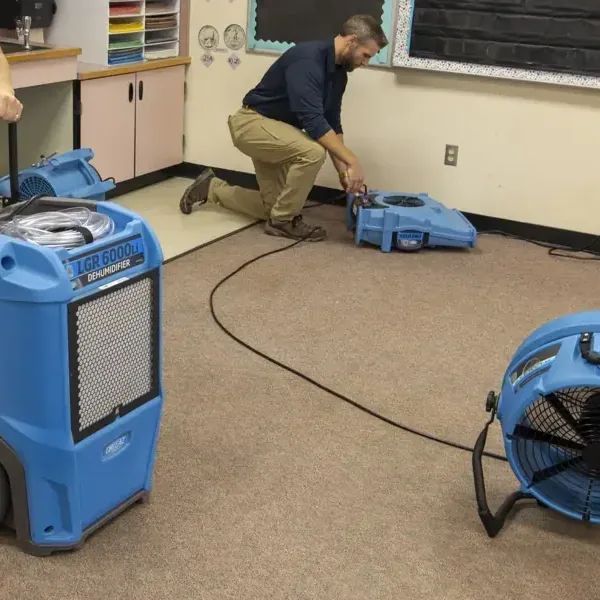
Outdoor systems and indoor damage need separate attention
Stoneham maintains public drainage and sewer infrastructure, while a building assessment follows water at the property itself. Doleful Pond and the high school wetland work provide useful drainage context.
A sequence that leaves fewer hidden questions
Restoration proceeds from a safe work area to water removal, material assessment and measured drying. Repair readiness depends on the condition of the assembly, not its surface appearance.
Different leaks need different cleanup decisions
A wet ceiling and an overflowing drain require different precautions. These services explain how the source, room layout and damaged finishes change the work.

Water Extraction and Removal
Pooled water leaves flooring wet underneath. Extraction clears water before inspection of hidden layers.
Water Extraction and Removal details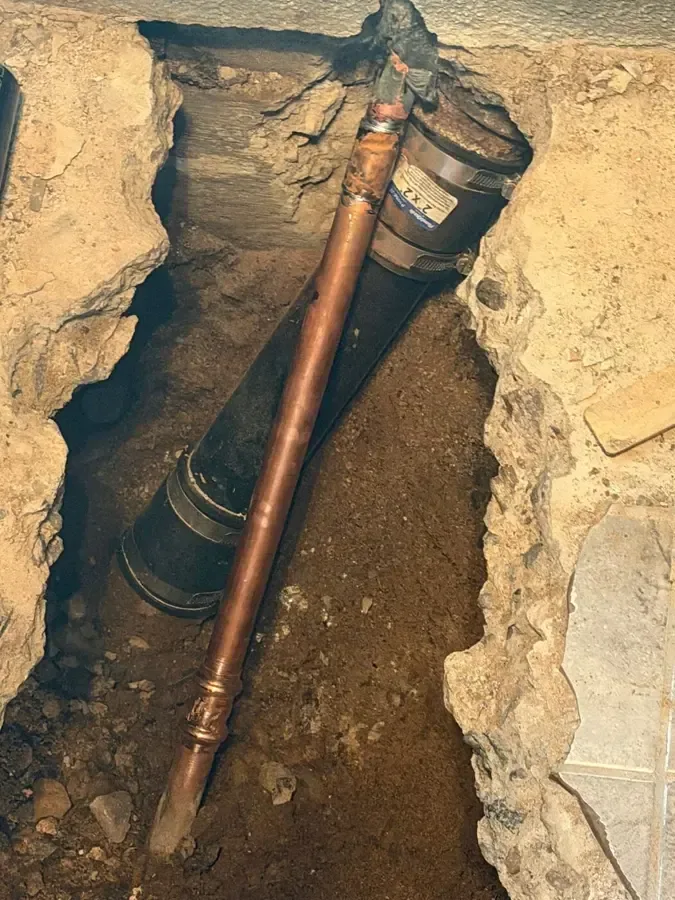
Slab Leak Water Damage
Damp flooring over concrete needs leak tracing and moisture checks before replacement materials cover the area.
Slab Leak Water Damage details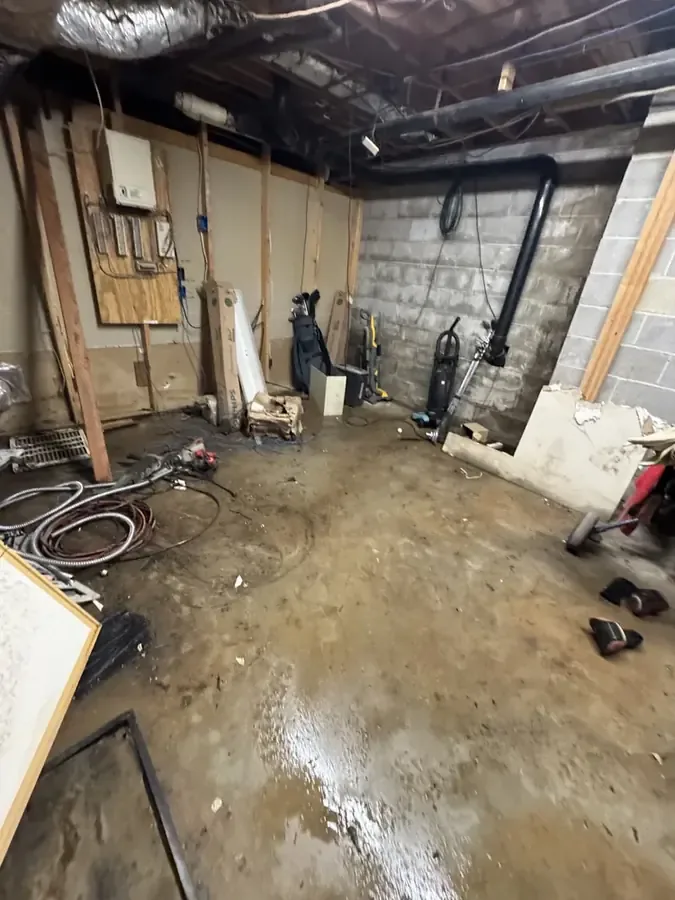
Sewage Backup Cleanup
Drain overflow calls for restricted access, contaminated material decisions and cleaning before ordinary drying equipment enters the room.
Sewage Backup Cleanup details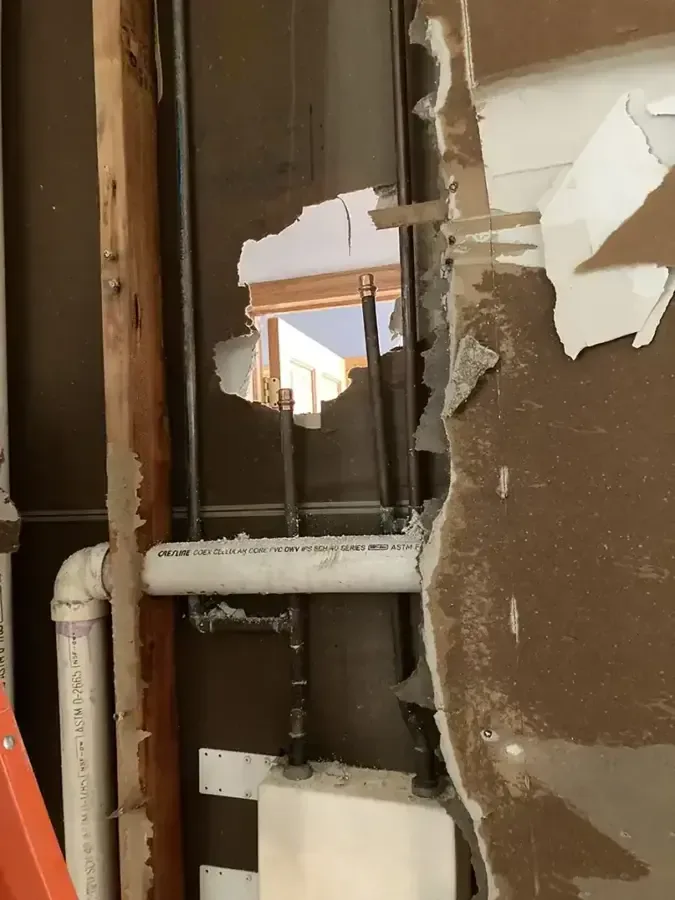
Burst Pipe Water Damage
A split supply pipe can soak several rooms. Cleanup follows the water beyond the opening where it escaped.
Burst Pipe Water Damage details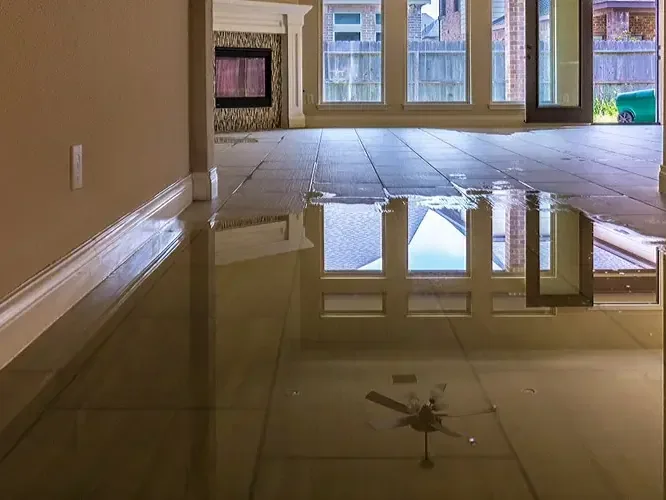
Storm and Flood Cleanup
Runoff entering indoors brings a different cleanup problem from a household leak, including debris and contaminated porous finishes.
Storm and Flood Cleanup details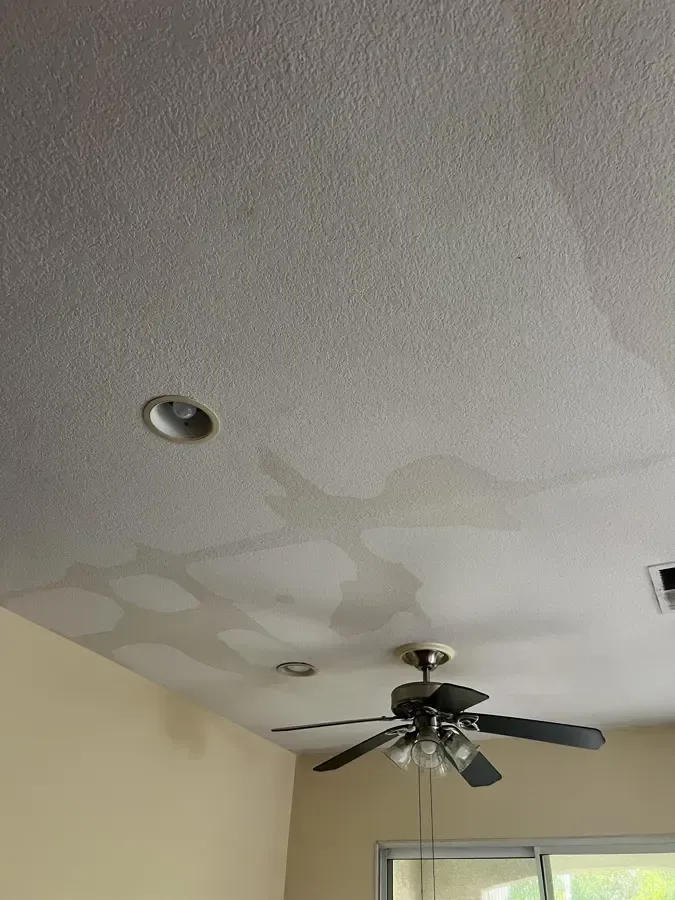
Roof Leak Water Damage
Rain reaching the attic may wet insulation before a ceiling stain appears. Interior drying follows that overhead path.
Roof Leak Water Damage details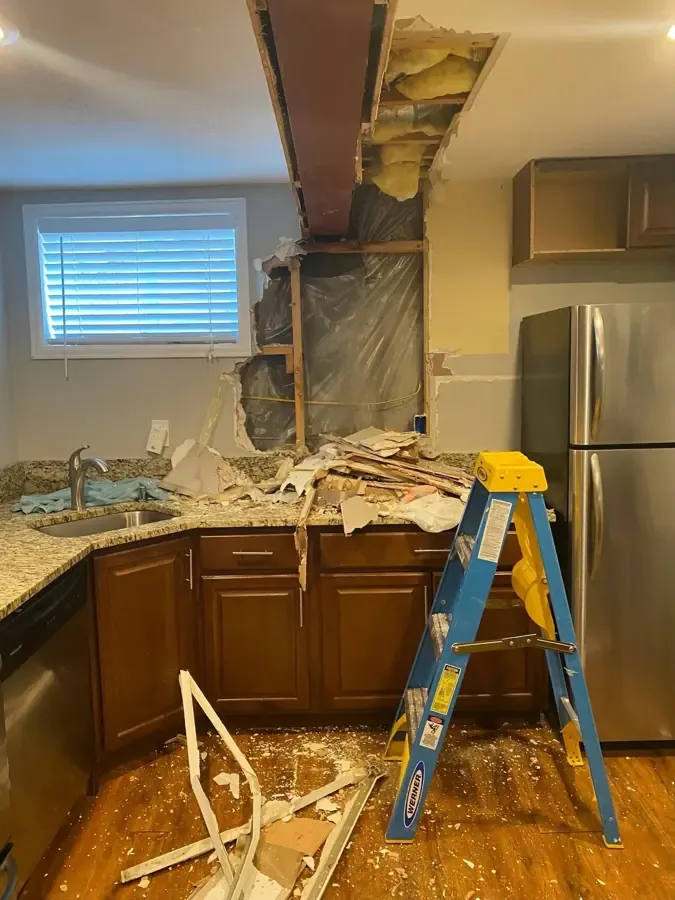
Ceiling Leak Water Damage
Sagging finishes need an exclusion area below. Assessment separates wet surface paint from moisture trapped in the ceiling cavity.
Ceiling Leak Water Damage details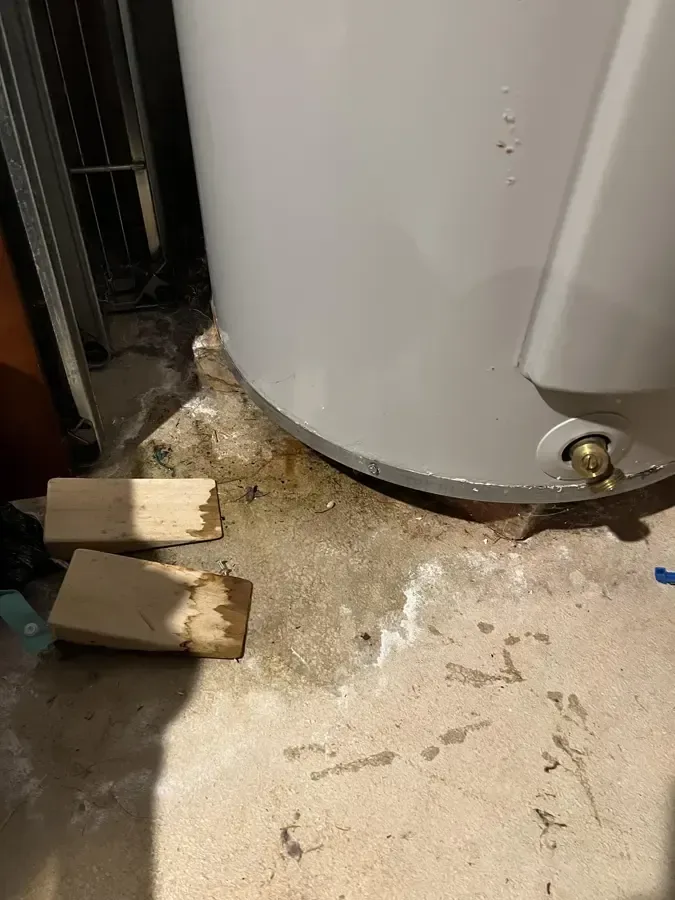
Water Heater Leak Cleanup
Water around a tank can reach platforms, wall bases and stored items before the equipment problem becomes obvious.
Water Heater Leak Cleanup details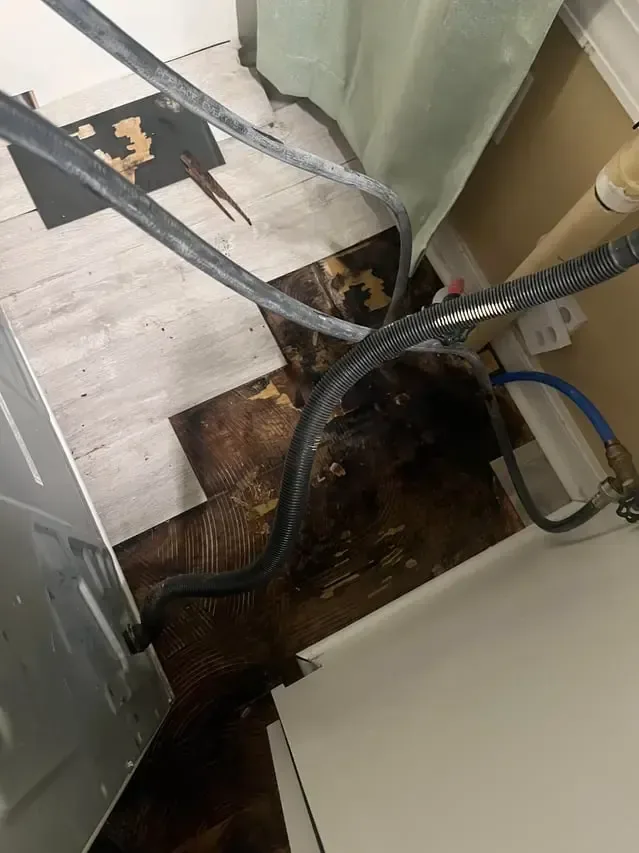
Appliance Leak Water Damage
Laundry hoses and dishwasher connections can release water into flooring seams and cabinet spaces hidden from everyday view.
Appliance Leak Water Damage details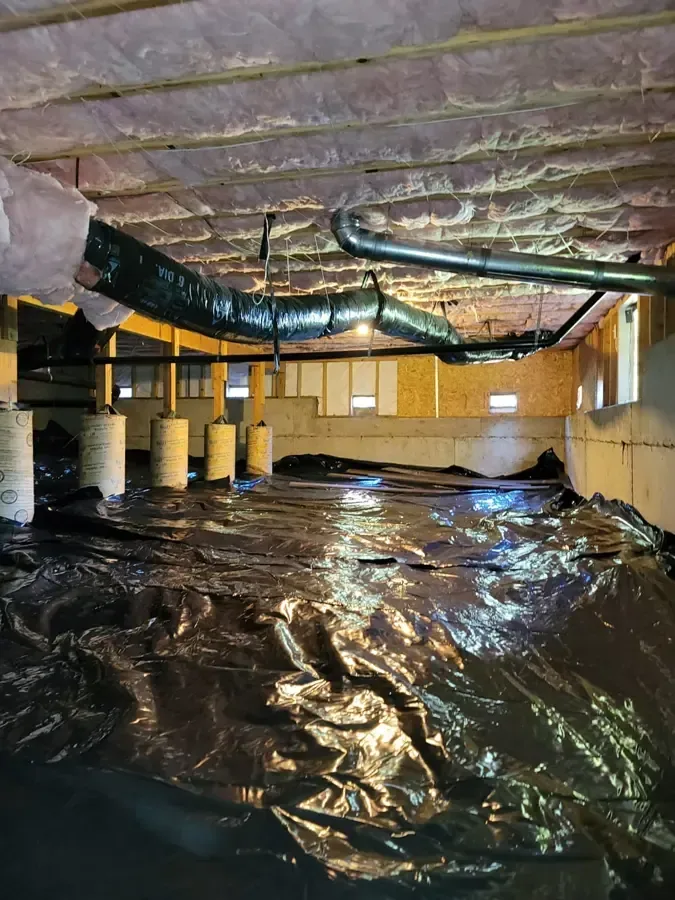
Crawl Space Water Removal
Standing water below the floor needs controlled removal and inspection of insulation, joists and the ground covering.
Crawl Space Water Removal details
Structural Drying and Dehumidification
Moisture readings help determine whether framing and subfloors are ready for repairs after water has been removed.
Structural Drying and Dehumidification details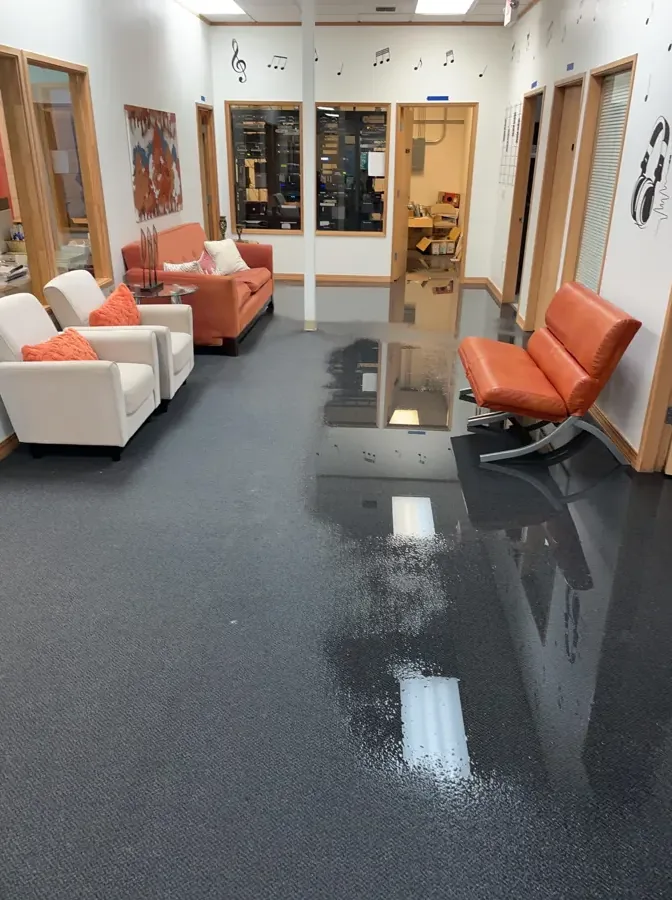
Commercial Water Damage
Business cleanup separates affected spaces while tracking contents, access and material damage.
Commercial Water Damage details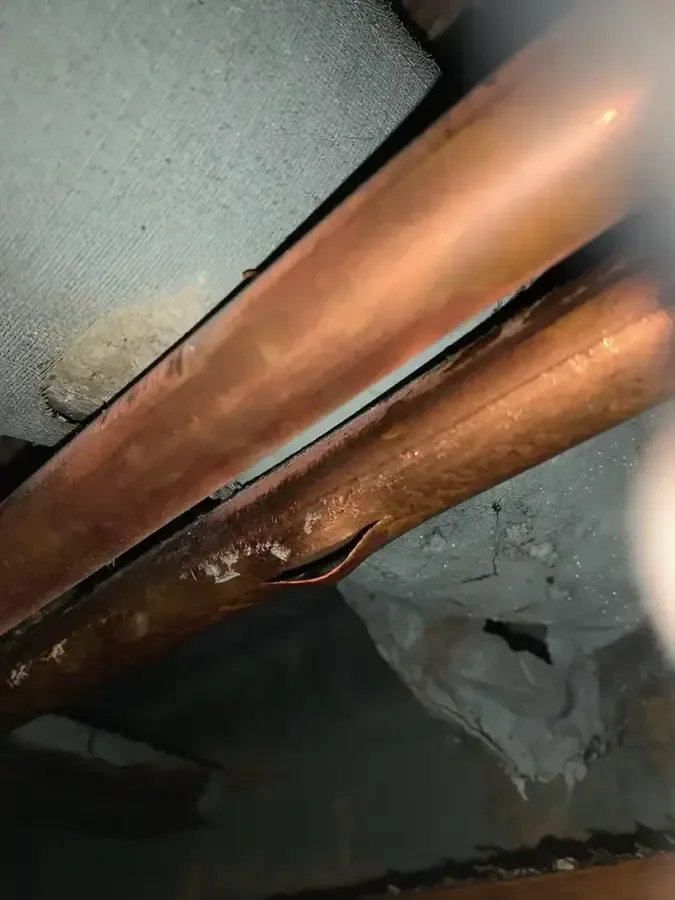
Frozen Pipe Water Damage
A thawed pipe may leak behind finished walls. Water isolation and cavity assessment come before heating repairs.
Frozen Pipe Water Damage details
Basement Flooding Cleanup
Lower rooms need source checks, safe access and attention to wall bases, stored belongings and concealed floor layers.
Basement Flooding Cleanup details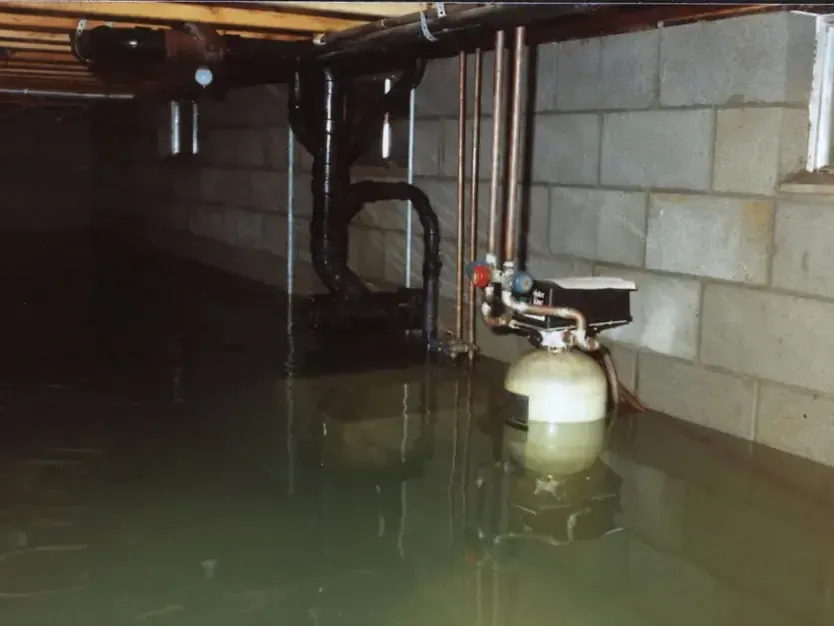
Sump Pump Failure Cleanup
An overflowing pit can keep feeding a wet floor. Pump repair and cleanup must address separate parts of the problem.
Sump Pump Failure Cleanup detailsMake the first decisions from dry ground
The useful question is which materials remain wet. A room can look tidier after extraction while wall bottoms, floor seams and enclosed spaces still need attention before repairs begin.
(888) 629-3140Explain the access and damage- Keep the doorway clear
People and pets should stay outside rooms with unknown water, loose ceiling material or wet electrical equipment.
- Stop accessible household water
A reachable shutoff can limit a plumbing release when the approach is dry and the valve is safe to operate.
- Leave power hazards alone
An electrician should assess wet outlets, panels or appliances before anyone attempts to use equipment in the affected space.
- Record the changing footprint
Photographs from a safe position can show the source, water marks and belongings before cleanup changes their condition.
- Describe the building layout
The response team needs the affected floor, access restrictions and whether water continues entering when arranging an assessment.
How the dry-out works
Mark the wet boundary
The extraction crew records affected rooms and checks beyond visible water to locate moisture entering floors or wall cavities.
Remove recoverable bulk water
Water pickup reduces the load on drying equipment while damaged contents and sensitive finishes receive separate handling decisions.
Expose what needs attention
Selective access allows inspection of concealed dampness and removal of materials that cannot remain in the drying plan.
Confirm the drying result
Recorded readings are compared over time before the drying team recommends moving ahead with closure and finish repairs.
Cleanup for Stoneham homes and businesses
Make the access details part of the call
For a property around Main Street or Spot Pond, describe the affected entrance, floor and any obstacles between the vehicle access and wet rooms.
The town service options help identify the initial cleanup need; broader coverage includes surrounding service areas.
Stoneham, MA · [email protected]
View the surrounding coveragePlaces around town
Local ZIP
Other service areas
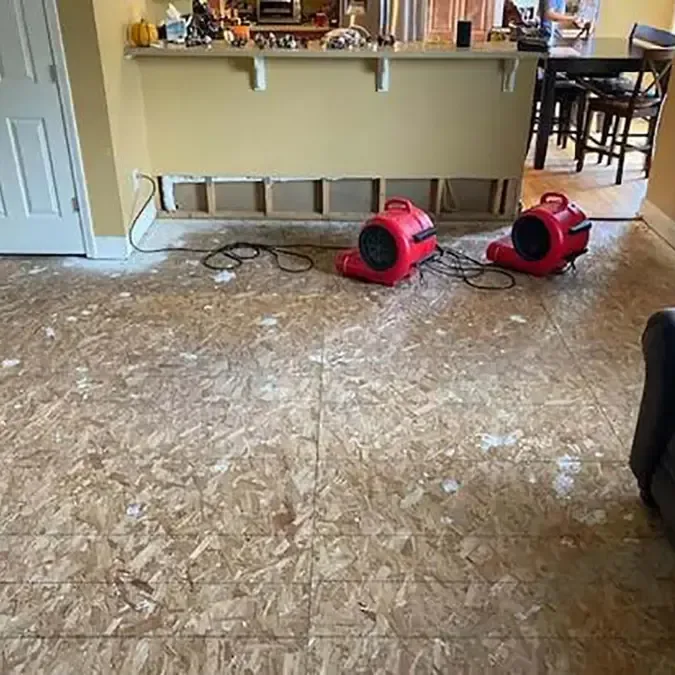
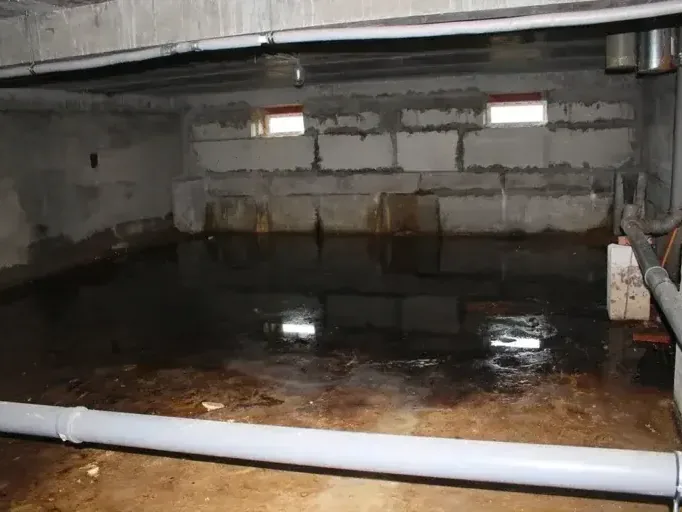
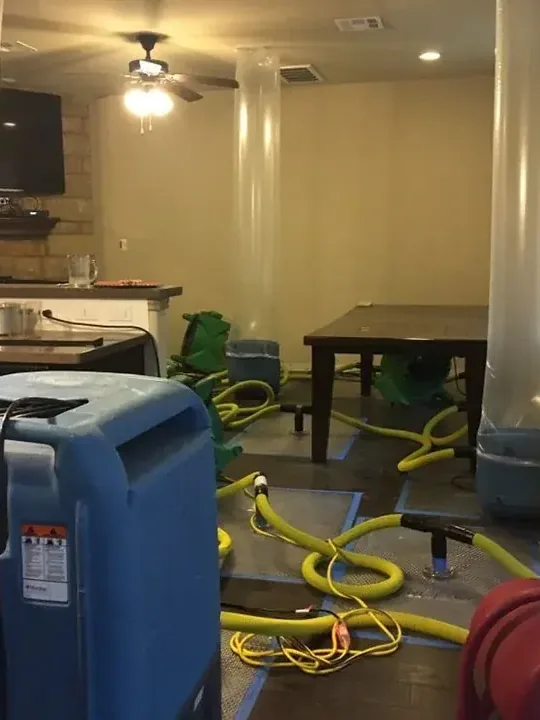
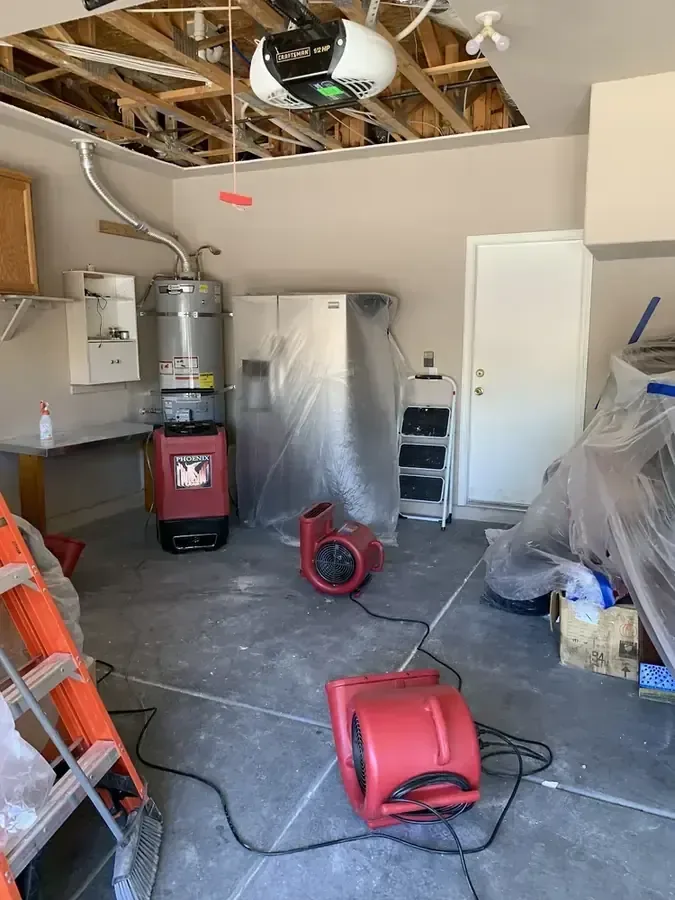
Water removal, opened materials and drying equipment
Follow moisture beyond the obvious wet patch
Source before finishes
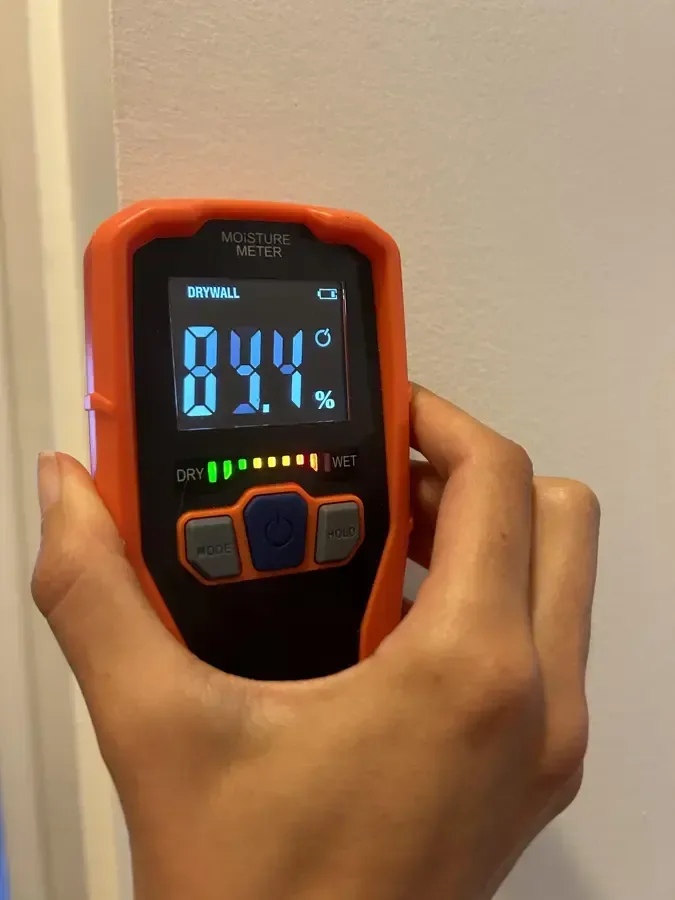
The mitigation team distinguishes the active leak from its indoor effects so drying is coordinated with the necessary source repair.
Boundaries marked clearly
Moisture checks extend into adjoining spaces, giving the owner a clearer picture of the affected area than a stain alone.
Removal explained
Damaged material decisions consider water condition, access and recoverability, with the reason documented before finishes are taken apart.
Progress made visible
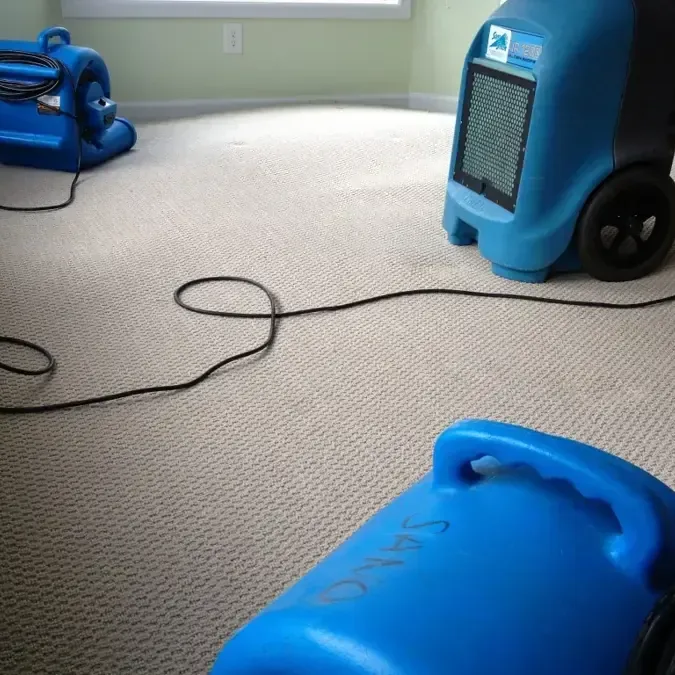
Followup measurements show whether the drying arrangement is working and whether concealed locations need another inspection before equipment leaves.
Describe the loss clearly
An insurer needs a coherent account of the damage. Photographs, repair information and itemized work records help connect the source of the release with the resulting indoor cleanup.
- Photographs showing the first visible damage
- Notes about when water was discovered
- Source repair findings and supporting photographs
- Descriptions of affected rooms and contents
- Cleanup invoices with the work scope identified
Paying directly for the work
An owner paying directly can request a written scope separating immediate water control from drying and later repairs before selecting the work.
If inspection reveals additional wet layers, the updated scope should explain the added task and its reason before that work proceeds.
What affects water damage cleanup costs in Stoneham?
The amount of wet material usually matters more than puddle depth alone. Access, contamination and concealed spread change the work. These planning ranges help frame a discussion; the actual scope follows inspection of the affected rooms and assemblies.
Contained room cleanup
$1,000 to $2,500
- Water pickup
- Moisture checks
- Accessible surface drying
Several wet assemblies
$2,500 to $6,000
- Cavity inspection
- Targeted removal
- Drying adjustments
Extensive indoor damage
$6,000 to $12,000+
- Multiple rooms
- Contamination handling
- Broader material assessment
Leak repair, rebuilding and contents work may involve separate scopes. A written description should identify the included work before the owner compares totals or authorizes additional tasks.
The source changes what can be saved
Supply water
Water from a broken supply pipe can spread into cavities quickly. Its condition also changes as it contacts building materials and contents.
Trace the supply releaseUsed appliance water
Discharged wash water requires a different handling decision from an inlet hose leak, especially when absorbent flooring or cabinet bases become saturated.
Inspect the appliance pathSewage or runoff
Water carrying waste or outdoor contaminants calls for controlled access and a removal plan for affected porous materials before drying begins.
Separate contaminated areas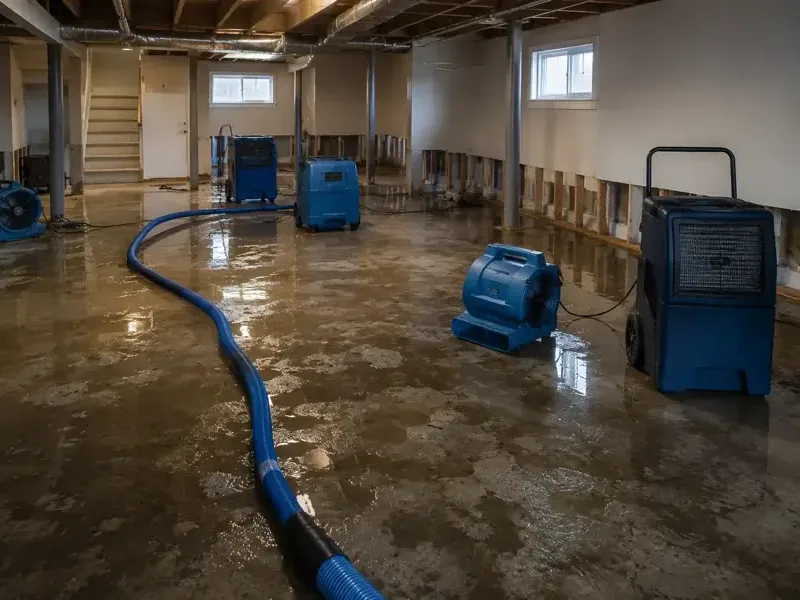
May 3, 2019: A contractor struck a high pressure water main in Stoneham, releasing millions of gallons. A property assessment still starts with the actual entry route.
Wetland work
The wetland restoration project around Stoneham High School is intended to mitigate local flooding. Indoor cleanup still requires checking the route by which water entered the building.
Catch basin maintenance
Stoneham Public Works Highway Department cleans municipal catch basins annually. Ponding at a doorway needs safe observation of exterior drainage and the interior water footprint.
Sewer infiltration
Municipal sewer rehabilitation addresses infiltration and inflow. A backing drain inside a home needs source diagnosis before the affected room can return to normal use.
Reservation and pond
Spot Pond lies within Middlesex Fells Reservation. For nearby properties, the cleanup scope depends on the observed water source, building openings and wet materials.
Household releases
Appliances, supply fittings and water heaters can wet enclosed spaces without outdoor flooding. Source repair and drying address different parts of these indoor losses.
Questions after finding water indoors
What information helps during an initial call?
The owner can describe the room, water source if visible, and whether water is still entering. Mentioning wet electrical equipment, ceiling movement or sewage helps establish precautions. Photos can support the description once they can be taken safely.
Does clear looking water make a room safe?
The water source and nearby electrical conditions determine the precautions a room needs. Water may have contacted waste, outdoor surfaces or concealed materials before becoming visible. The assessment considers where it originated and what it touched before selecting cleaning and material handling methods.
Can flooring stay in place during drying?
Some assemblies allow drying with limited disruption, while others hold moisture beneath an impermeable finish. The drying team checks the material layers, water condition and access. A decision to retain flooring should include a way to verify the underlying material.
Who handles a suspected public water problem?
The municipal Water/Sewer Department maintains public water and sewer facilities. The town directs after hours water and sewer emergency reports to Stoneham Police Department. Indoor restoration addresses damage inside the building while the source problem receives the appropriate separate attention.
Should a stained ceiling be painted immediately?
Paint should wait until the source is repaired and the ceiling materials have been assessed. A stain can remain after drying, but damp insulation or weakened board may still require work. A bulging section needs restricted access beneath it.
How is drying progress evaluated?
Technicians compare moisture readings at affected materials and suitable dry reference areas. Equipment may be adjusted when a concealed location remains damp. The result is evaluated at the materials that became wet, rather than simply from the room feeling less humid.
What if a basement fills again after pumping?
Continued entry needs attention before the room can stay dry. A failed pump, exterior runoff or a plumbing release can require different repairs. Basement flooding cleanup includes assessing the affected finishes while the ongoing entry problem is addressed.
Can occupants keep using a wet bathroom?
Use should stop when a drain is backing up or water could reach unsafe electrical components. Keeping people out also prevents contaminated water from being tracked into clean spaces. The restoration team can explain the work boundary after examining the damage.
What separates cleanup from rebuilding?
Cleanup removes water, addresses contamination and dries retained materials. Rebuilding replaces finishes after the underlying conditions are suitable. A written scope helps show where one task ends and another begins, including any source repair needed before closing the affected assembly.
Give the wet rooms a clear next step
Describe the source, affected materials and access concerns so the restoration team can assess the cleanup needs in Stoneham.
(888) 629-3140Talk through the wet area