Water Heater Leak Cleanup in Stoneham, MA
Water around a heater can disappear beneath a platform or doorway while the tank remains the obvious concern. Cleanup examines those surrounding materials alongside safe isolation and repair of the equipment.
(888) 629-3140Assess the water around the heater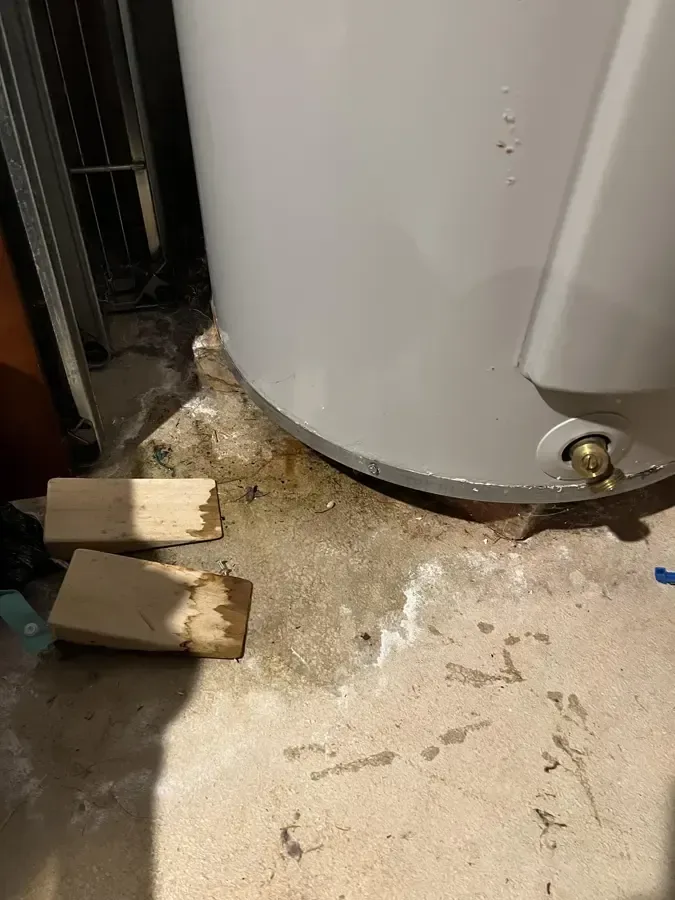
A heater leak can begin as a wet ring and grow into water beneath stored belongings or adjacent walls. The cleanup should follow that entire route. At a Stoneham property, the heater's equipment condition and the building's moisture condition are assessed as connected tasks with different repair requirements.
The water heater leak cleanup process
Confirm equipment area access
The team coordinates around the heater assessment so water removal begins with clear information about the supply, controls and surrounding utility conditions.
Follow escaped water outward
Inspection starts at the tank base and continues through platform edges, nearby storage and doorways where water may have reached other materials.
Address enclosed damp surfaces
Necessary access allows the team to inspect and dry retained wall bottoms or platform materials that cannot be evaluated from the open room.
Record the surrounding assembly condition
Moisture results distinguish completed cleanup from any heater work or finish replacement still required before the utility space is put back together.
Make the equipment area safe before pickup
Wet electrical components, hot water and fuel connections can complicate access around a tank. Occupants should leave unfamiliar controls to the appropriate professional. The restoration team needs to know whether the supply has been isolated and whether the equipment area is ready for water removal without approaching an unresolved utility hazard.
For homes near Robin Hood School, South School or Main Street, the room arrangement determines how water moves beyond the heater. A utility closet may conceal wet wall bottoms while an open room allows the release to travel beneath boxes. The inspection should include those absorbent materials rather than stopping at the tank footprint.
- Check accessible platform edges for swelling, dampness or trapped water.
- Identify door thresholds connecting the utility space with finished rooms.
- Leave wet controls and connections untouched pending equipment assessment.
- Record belongings that absorbed water before their removal changes the footprint.
A wet utility floor can conceal moisture beneath the heater platform and neighboring walls. A complete assessment follows the released water into those surrounding materials.
(888) 629-3140Discuss the heater room damageSeparate the leak repair from the wet surroundings
Stoneham Public Works Water/Sewer Department maintains municipal water facilities. Stoneham Police Department receives after hours municipal water and sewer emergency reports. A leaking household heater needs the appropriate equipment repair or replacement assessment, while interior cleanup addresses what happened after water escaped from the tank or its connections.
A replacement tank does not address damp finishes
Moving the equipment can expose wet flooring and wall material that had been difficult to inspect. Those findings belong in the cleanup scope. Water extraction removes accessible water before the remaining moisture is assessed within the surrounding assembly.
Reach the platform and adjoining room
Dense platforms and enclosed wall bottoms may dry differently from the open floor. Access should support inspection of the materials that actually became wet. If the release reached a lower room, basement flooding cleanup can address that larger footprint. Before finishes or stored items return, the drying record should show the condition of the retained materials and any area still needing repair.
Practical steps for water heater leak cleanup
Avoid unfamiliar heater controls
Keep clear of wet wiring, hot discharge and fuel connections, and have the equipment assessed before attempting to move or operate the leaking heater.
Limit water only when safe
A reachable supply valve may help control the release, but occupants should not cross standing water or approach damaged equipment to reach it.
Describe the surrounding space
Mention whether the tank sits in a closet, open utility area or beside finished rooms so the team can anticipate inspection and access needs.
Leave the wet footprint documented
Photograph visible floor water, platform edges and affected storage from a safe position before cleanup or equipment replacement changes what can be seen.
What does water heater leak cleanup cost in Stoneham, MA?
Water heater cleanup in Stoneham varies with the surrounding materials and spread into adjacent rooms. These restoration ranges exclude assumptions about equipment replacement; the heater repair and any rebuilding should be identified as separate work.
Accessible utility floor
$800 to $1,600
- Surface water pickup
- Edge checks
- Focused drying
Walls and platform
$1,600 to $2,900
- Platform assessment
- Wall access
- Moisture tracking
Adjoining rooms
$2,900 to $4,500+
- Expanded footprint survey
- Floor layer inspection
- Connected material drying
Water category, affected square footage, material class and the delay before drying all change the scope. These planning ranges are not a quote. Compare the water damage cost calculator with the written on-site scope.
Water heater leak cleanup coverage in Stoneham
Cleanup around leaking heaters is available near Robin Hood School, South School and Main Street. Describe the equipment location, surrounding finishes and whether water has crossed into another room so the inspection can address the full release.
The same service nearby: water heater leak cleanup in Wakefield, Melrose, Woburn.
Related water damage services in Stoneham

Water Heater Leak Cleanup questions in Stoneham, MA
Is the puddle always caused by the tank itself?
Water can originate at a connection or another nearby component as well as the tank. Equipment diagnosis should identify the actual source. The restoration team then follows escaped water through the full affected area, including materials beyond the visible puddle.
Can belongings be moved away from the heater?
Dry items can be moved only if access stays clear of water and utility hazards. Wet boxes or heavy contents may need planned handling to avoid spreading damage or blocking inspection. Photographing their position safely can help document where the released water traveled.
Does a concrete utility floor still need drying?
Concrete can retain moisture, and water around it may also reach wall bases, platforms or coverings. The assessment checks the complete assembly rather than just the open floor. Drying needs depend on those materials and the conditions found after water removal.
Should the heater be replaced before cleanup begins?
The correct sequence depends on equipment safety, ongoing leakage and access to the wet materials. The equipment professional and restoration team should coordinate their tasks. Moving or replacing the heater may improve inspection, but water control and safe access remain the initial requirements.
Why check rooms outside the utility area?
Escaped water can pass under a door or through a wall opening and soak finishes beyond the heater room. Adjacent carpet, trim and floor seams may conceal that spread. Checking those edges helps establish the full cleanup scope before the surrounding area is restored.
Will an equipment repair invoice explain the damage?
The invoice may explain the source problem but usually needs supporting restoration records for the indoor effects. Photographs, moisture locations and material removal decisions show what water reached. Keeping both sets of records helps separate the heater task from cleanup and later finish repair.
Describe water beyond the tank
The mitigation team can plan water pickup and drying around safe equipment access while the leaking heater receives the separate attention it needs.
(888) 629-3140Check the surrounding wet materials