Water Heater Leak Cleanup in Melrose, MA
Water around a heater can spread behind the equipment and into nearby finishes. Melrose cleanup evaluates the tank area, platform and adjoining rooms after the appropriate trade safely isolates the leaking unit.
(888) 629-3140Assess the heater area water damage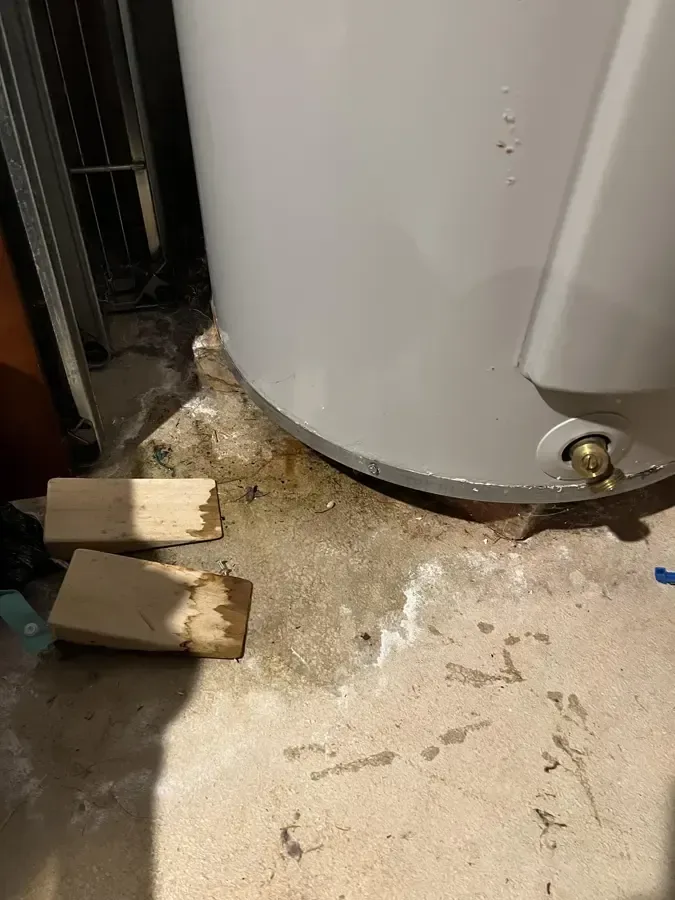
A utility floor can direct released tank water into a finished room before the leak is discovered. In Horace Mann, the first cleanup description should identify the heater location and any adjacent wet spaces. The team needs to distinguish an active equipment release from water already absorbed into the surrounding building materials.
The water heater leak cleanup process
Coordinate safe equipment access
The source repair assessment determines safe tank access, while the restoration survey identifies adjoining water damage and restrictions around equipment removal or replacement.
Remove accessible released water
Extraction follows the floor path away from the heater, including connected storage and doorway areas that may hold water beyond the initial visible accumulation.
Treat wet surrounding materials
Platform edges, walls and neighboring finishes are assessed for access and recoverability, then dried according to the materials retained within the restoration work area.
Record the installation handoff
The team documents the condition behind and beneath the unit before access changes, separating remaining finish repairs from completed water removal and equipment work.
Make the equipment area safe to approach
Water near electrical controls or other energy connections changes the access plan. The appropriate trade should evaluate isolation and equipment work. Restoration personnel can then assess the wet floor and adjoining assembly without relying on a leaking unit remaining in service during the cleanup.
At a property near Wyoming Hill, the heater may stand beside storage or another appliance. Those objects can hide wet edges and complicate replacement access. The survey checks behind safely accessible items and records any area that requires equipment movement by the responsible trade.
Water beside a tank can reach platform edges and neighboring rooms. Describe the unit location, any active release and the spaces that now show damage.
(888) 629-3140Assess the tank area damageInspect the platform and neighboring finishes
A wet floor is only part of the loss when water reaches absorbent platform materials, wallboard or the edge of a finished room. Moisture mapping should extend beyond the visible ring around the tank. Extraction reduces surface water, while selective access reveals layers that need separate drying decisions.
- Check wall bases behind and beside the heater when access is safe.
- Inspect nearby storage for wet cardboard and water contacting furniture feet.
- Keep replacement equipment routes clear of hoses and drying obstructions.
- Record the condition beneath removed components before the new unit covers them.
A new heater can conceal an unfinished dryout
The area beneath and behind the replacement unit should be reviewed before installation blocks access. Water extraction handles pooled water, while moisture testing shows whether the platform and surrounding finishes still need drying.
Coordinate restoration with equipment replacement
Properties near Melrose/Cedar Park need a practical sequence for removal, drying and installation based on their actual layout. The material drying service addresses retained wet layers after the release is controlled. Closing notes should distinguish completed equipment work from unfinished wall or floor repairs, including any area that could not be reached while the original tank remained in position.
Practical steps for water heater leak cleanup
Avoid wet equipment controls
Occupants should keep away from water touching electrical components or energy connections, leaving equipment isolation and safety decisions to the appropriate trade before approaching the tank.
Identify the spread beyond the unit
The initial description should include any wet doorway, storage area or neighboring room, allowing the crew to plan an assessment wider than the heater's visible footprint.
Record belongings before relocation
Safe photographs of soaked boxes, nearby finishes and the tank area preserve the original condition before contents movement or equipment replacement alters the damage pattern.
Plan a clear replacement route
Access for equipment removal should be coordinated with extraction hoses and drying devices so one stage of work does not obstruct the trade completing another.
What does water heater leak cleanup cost in Melrose, MA?
Melrose heater leak cleanup ranges vary with platform materials, neighboring room damage and equipment access. The restoration estimate should distinguish water removal and drying from tank replacement, connection repairs and finish rebuilding.
Accessible utility floor
$800 to $1,600
- Floor pickup
- Edge survey
- Storage assessment
Walls and platform
$1,600 to $2,900
- Platform assessment
- Wall access
- Directed drying
Adjoining rooms
$2,900 to $4,500+
- Connected room checks
- Finish removal
- Moisture records
Water category, affected square footage, material class and the delay before drying all change the scope. These planning ranges are not a quote. Compare the water damage cost calculator with the written on-site scope.
Water heater leak cleanup coverage in Melrose
Heater leak assessments include Horace Mann and properties near Wyoming Hill or Melrose/Cedar Park. Equipment clearance, storage conditions and adjoining floor finishes determine the practical extraction route and access needed for drying.
The same service nearby: water heater leak cleanup in Wakefield, Stoneham, Reading.
Related water damage services in Melrose

Water Heater Leak Cleanup questions in Melrose, MA
Is replacing the heater enough to resolve the water damage?
Replacement addresses the faulty equipment, but released water can remain in platforms, wall bases and floor layers. Those materials need their own inspection. The restoration scope should account for areas that will become difficult to reach after the new heater is installed.
Can the tank be moved to reach the wet floor?
Moving a heater involves its connections and equipment condition, so the responsible trade should coordinate that work. Restoration access can then be planned around the removal. Occupants should not disconnect or drag the unit simply to expose the water beneath it.
Why inspect a finished room beside the utility space?
Water may travel under a threshold or along a shared wall before it becomes obvious. A dry looking doorway can hide a wet floor edge. Measurements in the neighboring room help determine whether cleanup limited to the tank area would miss affected material.
What happens to wet storage boxes near the heater?
Boxes and their contents should be assessed separately, with photographs preserving the condition before handling. Saturated cardboard can hold moisture against walls and floors. A controlled move to a suitable sorting area can open the restoration path without spreading wet material through clean rooms.
Does a concrete floor need any further work after pickup?
The surrounding assembly still needs inspection. Water may have reached cracks, wall bases or a nearby finish layer even when the exposed concrete looks dry. Cleaning and moisture assessment establish whether additional drying or selective access is needed before the area returns to use.
How can replacement and drying avoid interfering with each other?
The trades should agree on access, equipment routes and the timing of any concealed area checks. Drying devices should not block required installation space. A written handoff records what remains wet or inaccessible so new equipment does not cover unfinished restoration work.
Assess the heater area water damage
A coordinated cleanup scope keeps equipment replacement and material drying in the right order, with hidden wet areas identified before access closes.
(888) 629-3140Discuss utility room restoration