Water Damage Restoration Melrose, MA
Water crossing a doorway can conceal a larger wet area beneath flooring. Melrose water damage restoration connects source control, careful removal and material testing so repairs begin with a clear picture.
(888) 629-3140Discuss the wet roomsA useful assessment follows the water through adjoining finishes and records which materials need cleaning, drying or removal.
Local water features and practical checks
Ell Pond receives runoff from surrounding streets. Outdoor drainage and indoor plumbing call for different investigations, with the actual entry point determining the cleanup approach inside a building.
Each phase answers a different question
Effective restoration moves from stopping incoming water to proving that retained materials are ready for repairs. Equipment alone cannot answer whether moisture remains behind a closed finish.
Choose the problem affecting the building
A backed up drain needs a different approach from a leaking appliance. These services address the source, affected materials and practical limits of each loss.

Water Extraction and Removal
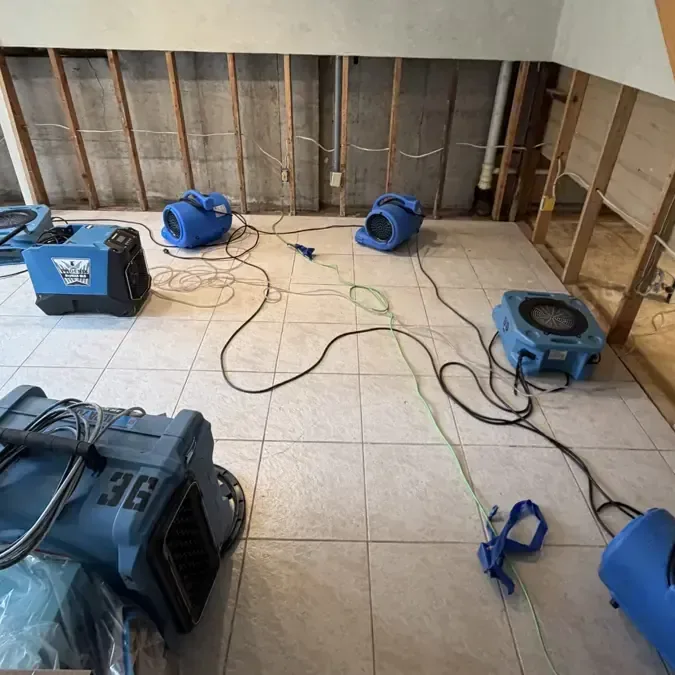
Standing water is removed while the crew checks edges, thresholds and adjoining rooms for moisture that has spread.
Water Extraction and Removal details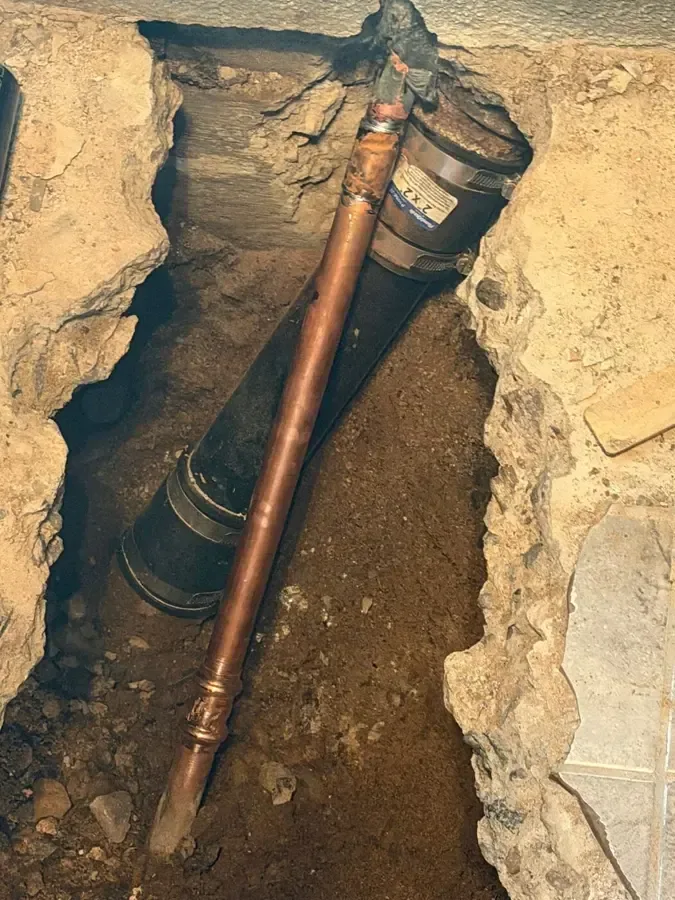
Slab Leak Water Damage
Damp flooring over concrete needs pipe diagnosis and moisture mapping before finishes are opened for access and drying.
Slab Leak Water Damage details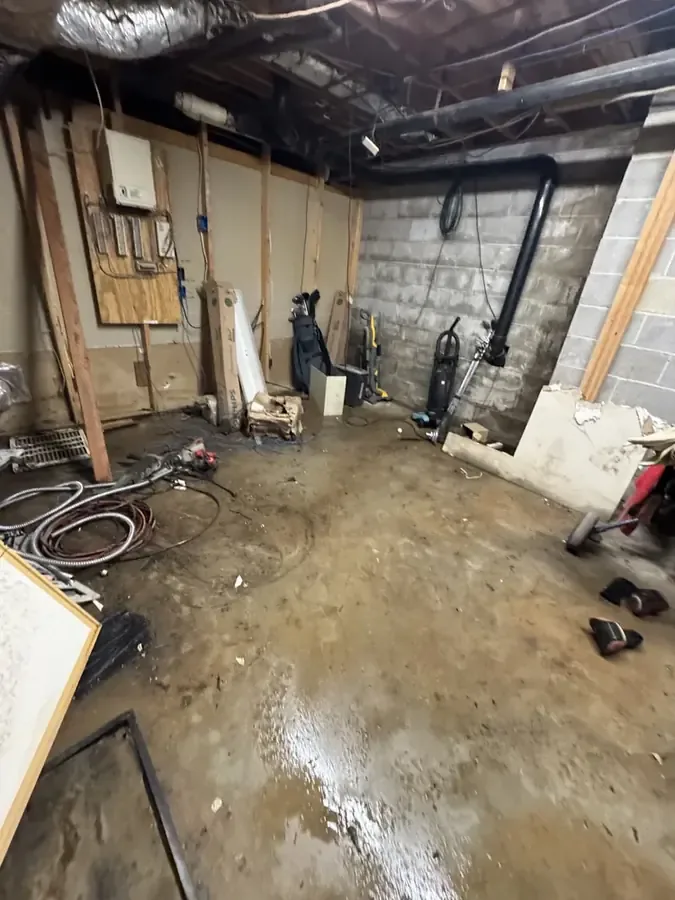
Sewage Backup Cleanup
Contaminated rooms require restricted access, controlled waste removal and cleaning before reusable surfaces enter the drying stage.
Sewage Backup Cleanup details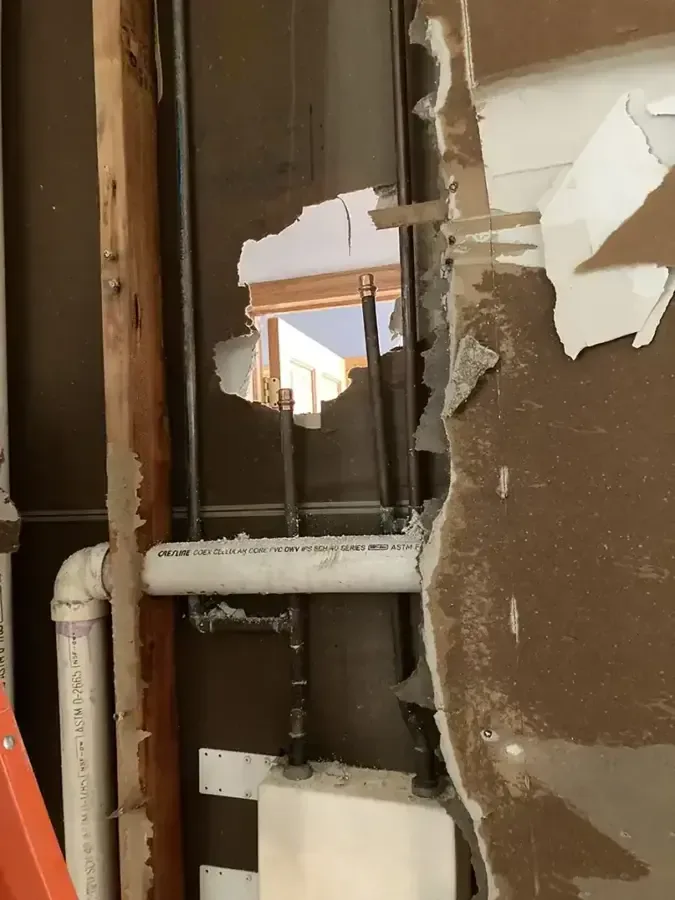
Burst Pipe Water Damage
A broken supply pipe can soak several assemblies; isolation and a traced water path shape the restoration scope.
Burst Pipe Water Damage details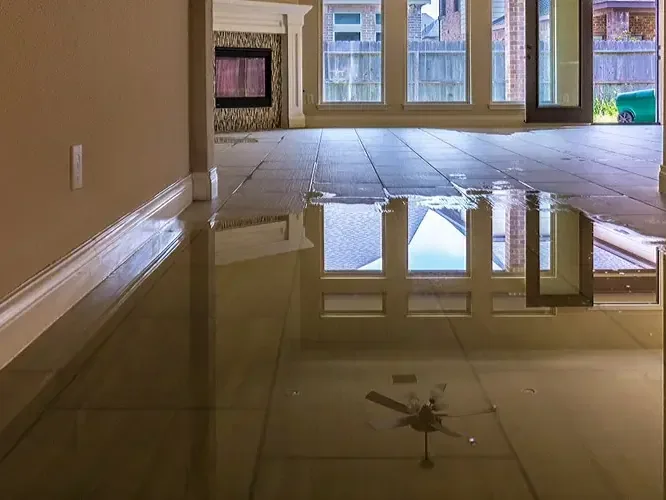
Storm and Flood Cleanup
Outdoor water entering the building brings cleanup decisions about debris, porous finishes and the route of entry.
Storm and Flood Cleanup details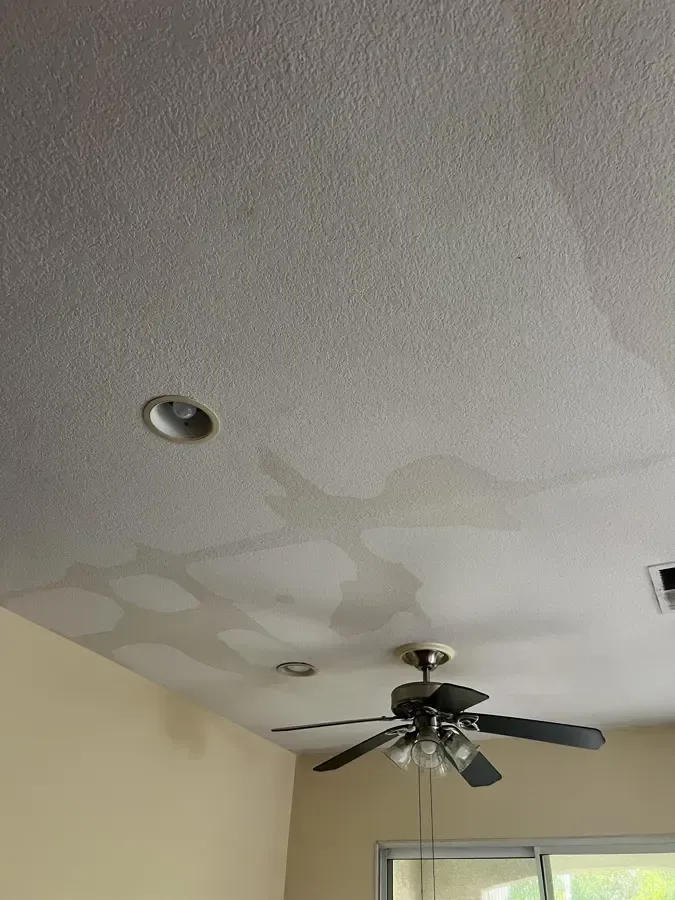
Roof Leak Water Damage
Roof entry can wet attic insulation before appearing below; interior work follows the concealed path through overhead materials.
Roof Leak Water Damage details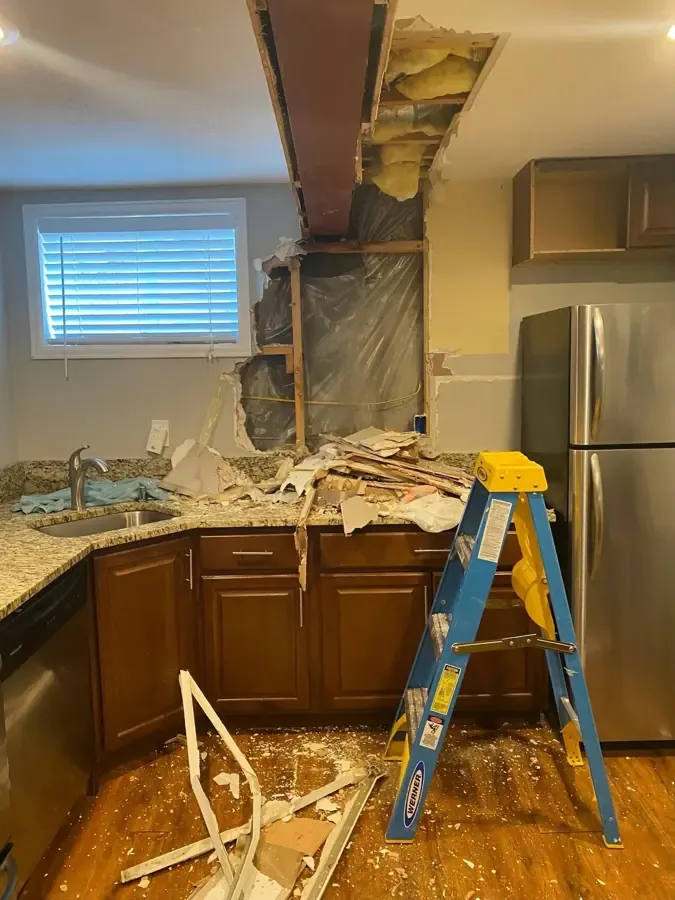
Ceiling Leak Water Damage
A stained or sagging ceiling needs a stability assessment before anyone opens it or places drying equipment beneath.
Ceiling Leak Water Damage details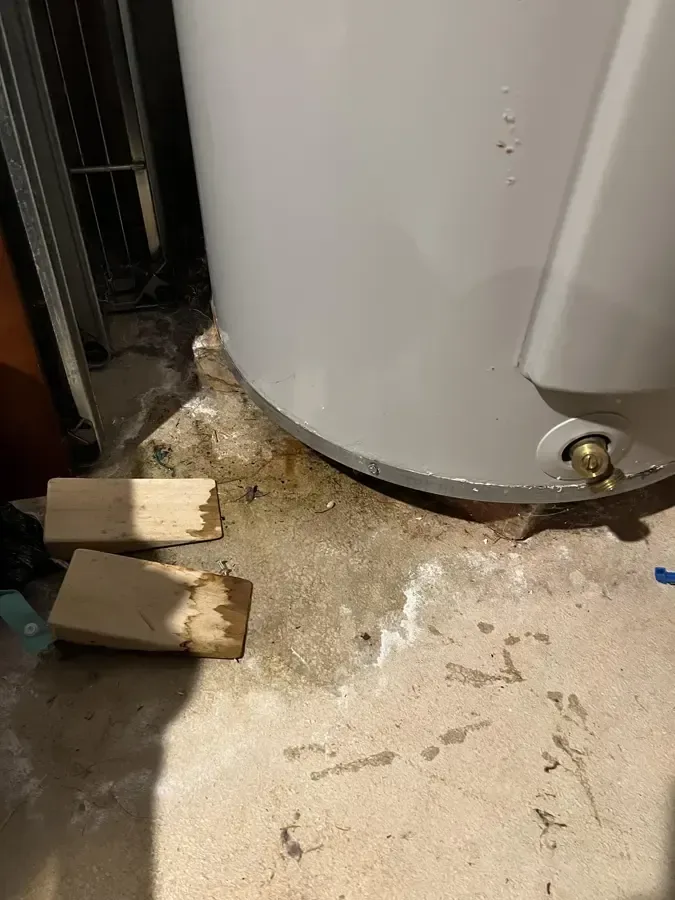
Water Heater Leak Cleanup
Tank releases spread around platforms and wall bases, requiring cleanup beyond the footprint of the leaking equipment.
Water Heater Leak Cleanup details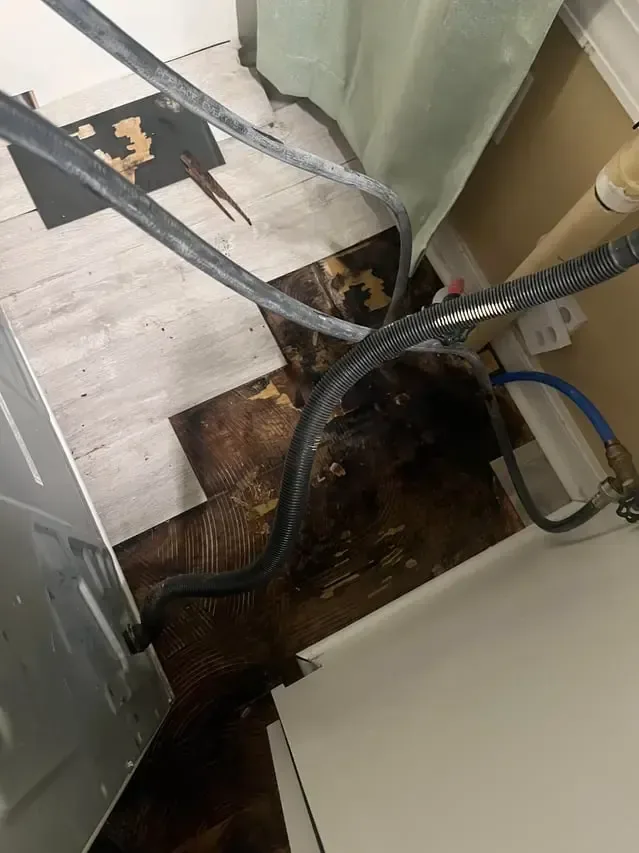
Appliance Leak Water Damage
Water behind laundry or kitchen equipment can travel under cabinets and flooring before reaching an obvious open area.
Appliance Leak Water Damage details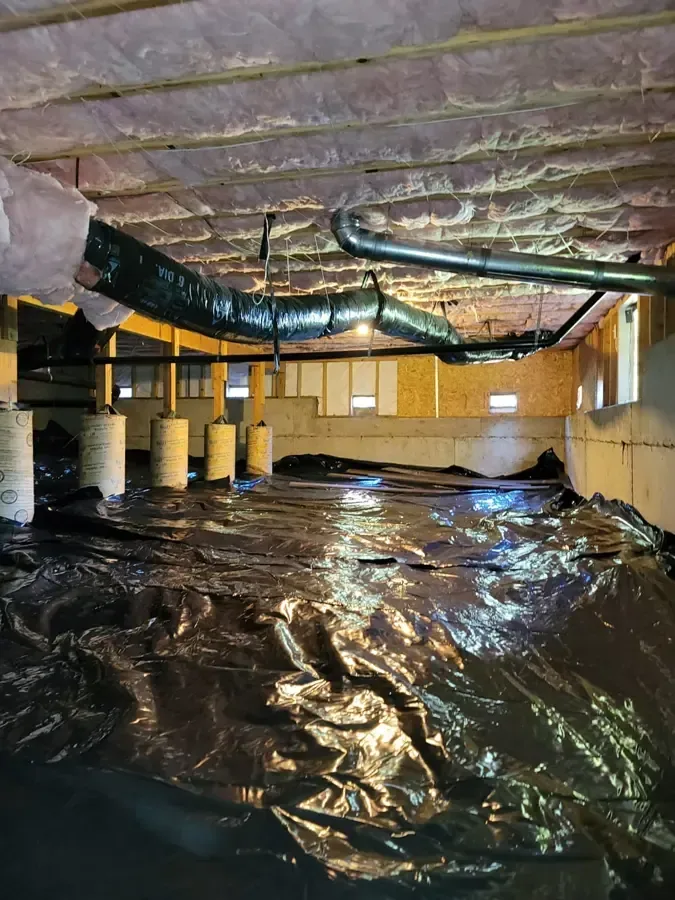
Crawl Space Water Removal
Underfloor cleanup accounts for access, pooled water, wet insulation and the condition of exposed supporting wood.
Crawl Space Water Removal details
Structural Drying and Dehumidification
Moisture readings track the progress of flooring, framing and cavities after visible water has been removed.
Structural Drying and Dehumidification details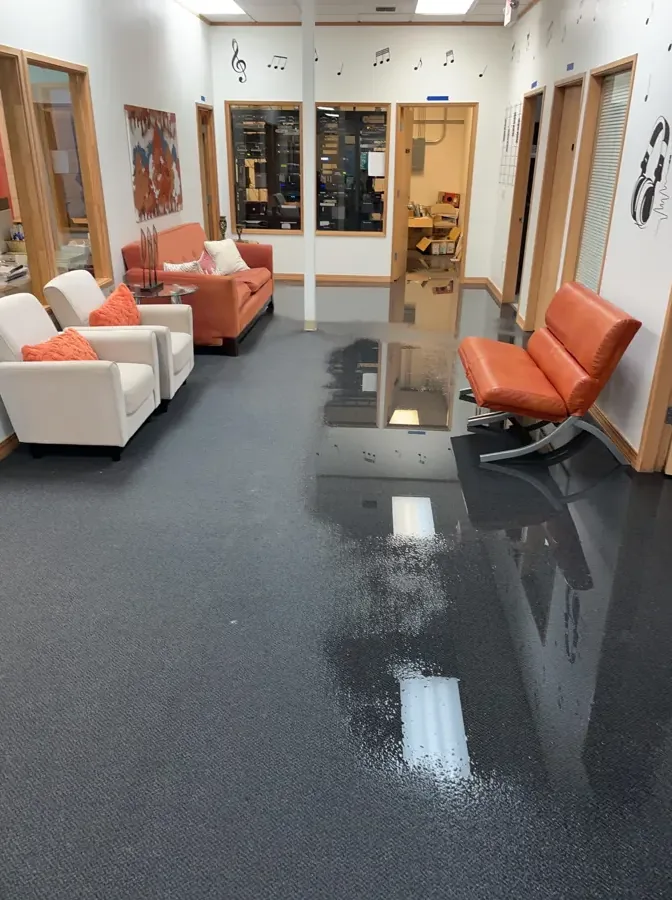
Commercial Water Damage
Occupied business spaces need work zones that protect stock, preserve safe access and separate wet operations.
Commercial Water Damage details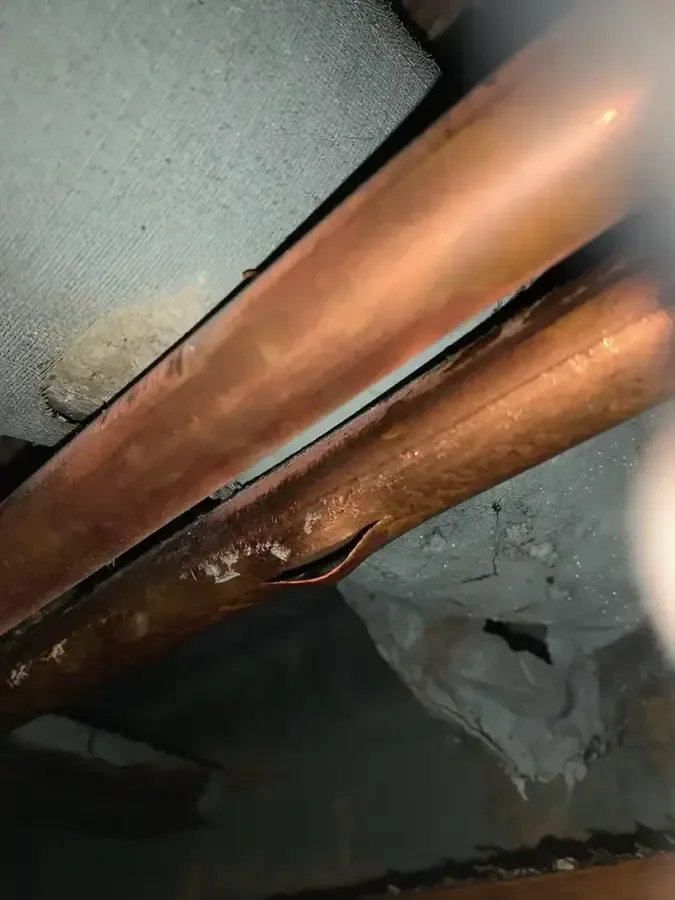
Frozen Pipe Water Damage
A thawing rupture requires source isolation and inspection of concealed spaces along the affected pipe route.
Frozen Pipe Water Damage details
Basement Flooding Cleanup
Lower rooms are assessed for electrical hazards and water entry before pumping and decisions about damaged finishes.
Basement Flooding Cleanup details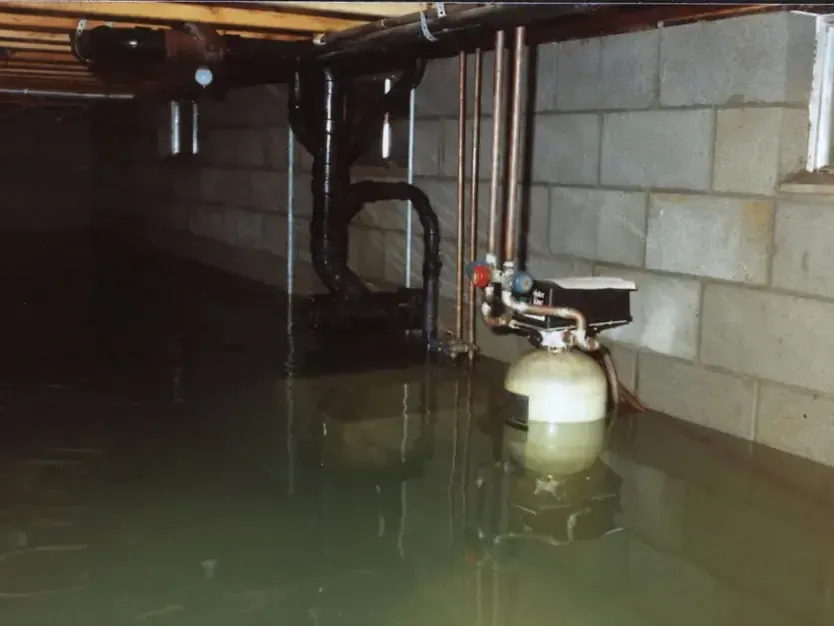
Sump Pump Failure Cleanup
Overflow cleanup considers the pit, discharge route and recurring inflow as well as the soaked room.
Sump Pump Failure Cleanup detailsKeep people away from unsafe water
Dry looking paint can hide damp backing, while a doorway can connect two wet floor assemblies. The mitigation plan should explain what testing found and why each opening is needed.
(888) 629-3140Discuss property access and damage- Protect the entrance
Household members and pets should remain outside rooms with standing water, loose ceilings or affected electrical equipment.
- Stop an accessible source
A dry, safely reachable shutoff may limit a plumbing release; reaching through water to equipment adds avoidable risk.
- Record the starting condition
Photographs from a safe doorway can show water depth, affected possessions and the path between rooms before cleanup.
- Separate dry belongings
Movable belongings can stay in a clean area when access is safe and handling will not spread contaminated water.
- Explain the affected spaces
The initial description should identify the suspected source, occupied rooms and any access restriction relevant to the restoration assessment.
How the dry-out works
Define the loss
The team checks the source, water condition and boundaries before selecting extraction tools or deciding which finishes need access.
Remove bulk water
Standing water and saturated removable material are addressed first, reducing the load placed on the remaining drying process.
Manage the drying environment
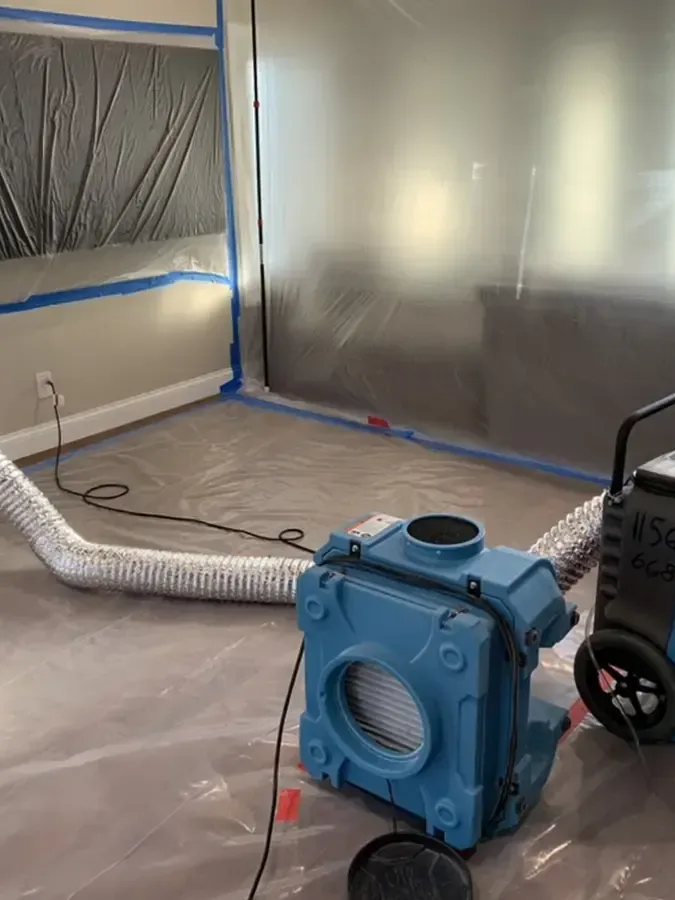
Air movement and humidity control are arranged around wet assemblies, with access adjusted when readings show trapped moisture.
Assess the endpoint
A final record identifies retained material condition and remaining repairs before replacement flooring or wall finishes close the space.
Melrose properties and local access
Explain access before equipment arrives
A property near Pine Banks Park may have different equipment access from an upstairs space beside a busy storefront.
The Melrose service pages describe individual losses; a building assessment establishes the work area and practical entry route.
Melrose, MA · [email protected]
Explore the service areaAreas and reference points
Local ZIP
Other service areas
Water removal, access and controlled drying
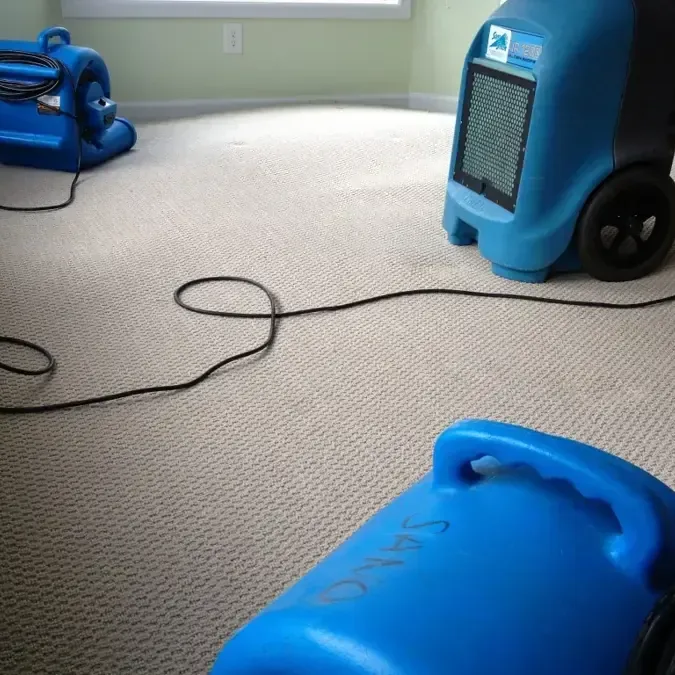
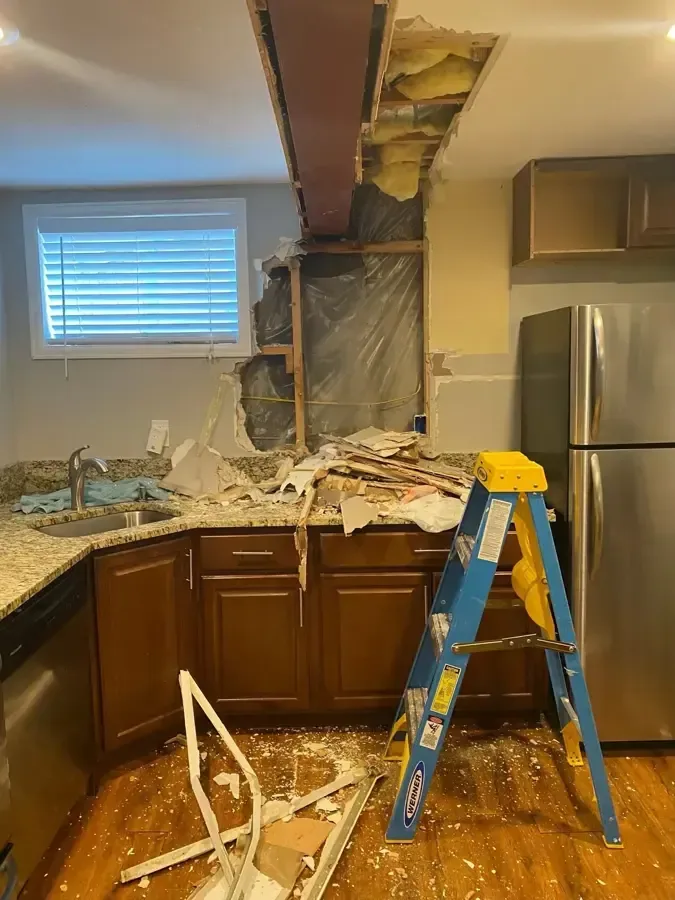
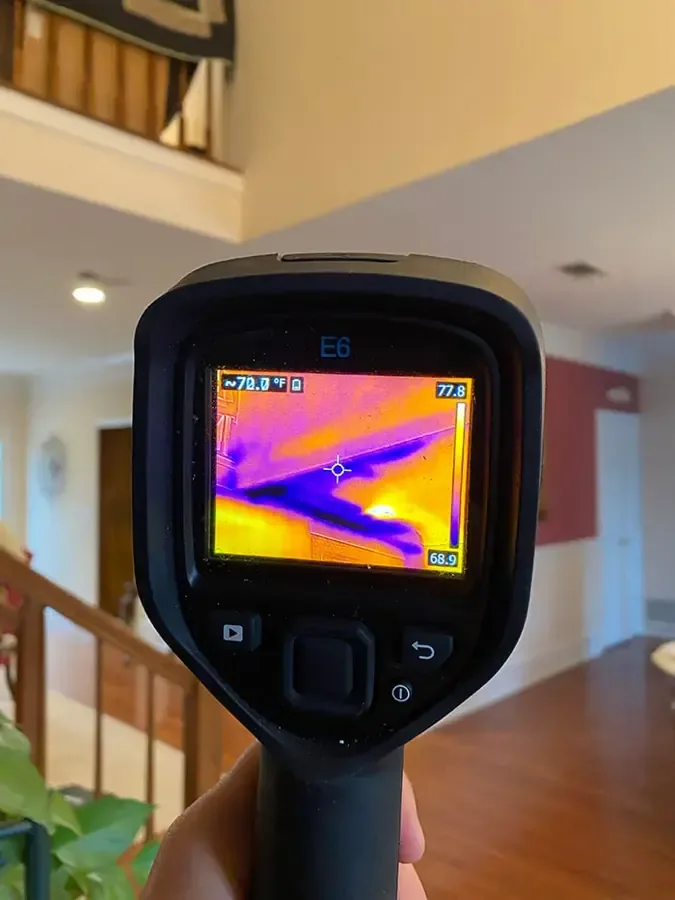
A room needs more than surface drying
Mapped boundaries
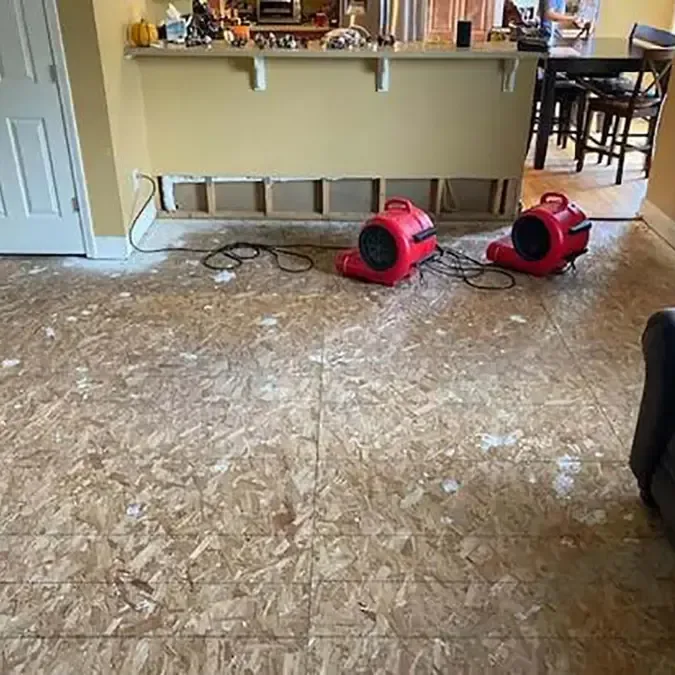
The wet area is outlined across walls and floors so equipment placement follows the actual damage rather than the largest visible puddle.
Selective access
Trim removal or a small opening can reveal trapped water, with broader removal reserved for damaged material and necessary cleaning access.
Recorded readings
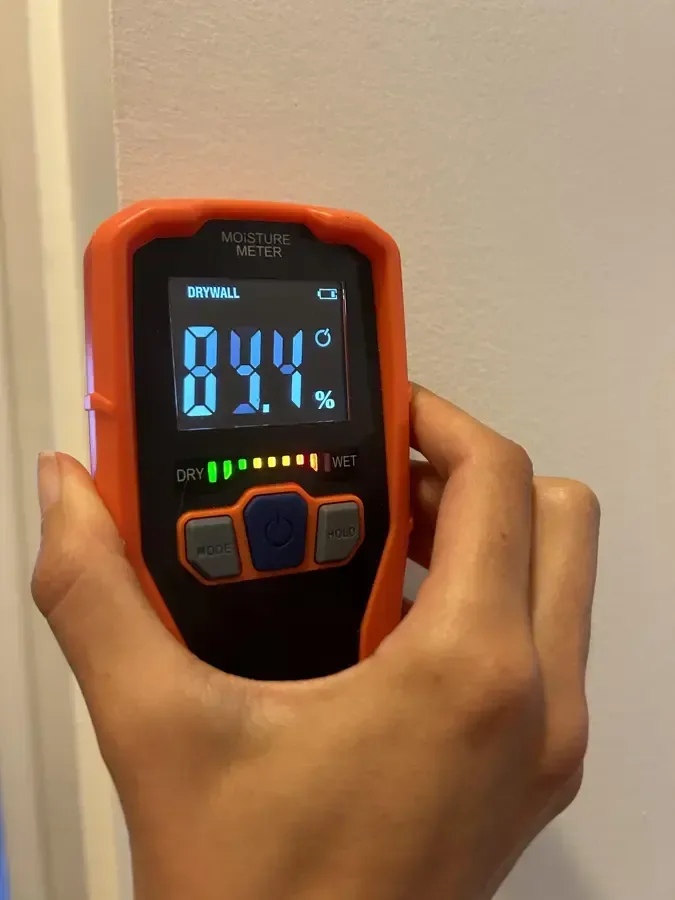
Repeat measurements show whether an assembly is responding and whether the drying setup needs a different arrangement or additional access.
Clear handoff
Restoration notes distinguish the leak repair, completed cleanup and remaining finish work so the next contractor understands the condition left behind.
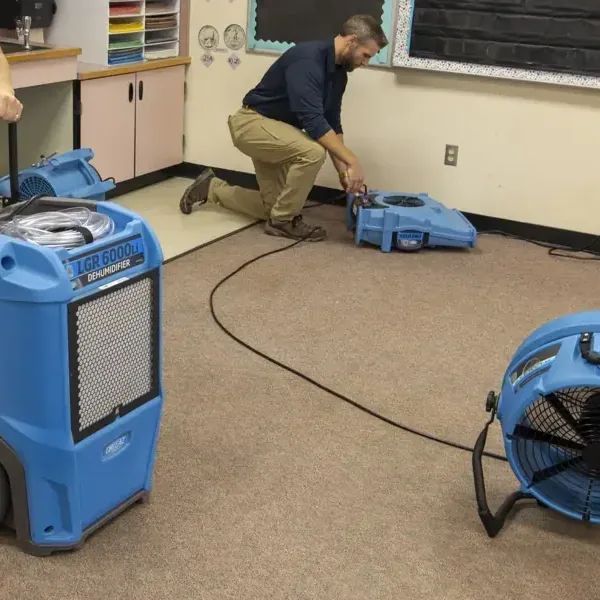
Keep the loss record organized
Clear photographs and a written sequence help explain what happened. An insurer assesses coverage under the applicable policy, while restoration records describe the physical damage and completed work.
- Photographs before the first material removal
- The earliest observed sign of water
- Source repair notes and related receipts
- Lists of affected rooms and belongings
- Moisture readings alongside the completed work scope
Planning without a claim
For a privately funded cleanup, the estimate should distinguish urgent mitigation from finish upgrades so spending decisions follow the actual damage.
A material drying assessment can clarify whether apparently dry surfaces still conceal moisture before repair purchases begin.
What shapes restoration costs in Melrose?
Melrose restoration estimates depend on the amount of affected material, water condition and access for drying. An isolated floor spill differs from water concealed between levels. An inspection should separate extraction, material removal, monitoring and later finish repairs.
Contained room
$1,000 to $2,500
- Water pickup
- Edge testing
- Focused drying
Connected wet spaces
$2,500 to $6,000
- Cavity access
- Material sorting
- Daily measurements
Extensive building exposure
$6,000 to $12,000+
- Broader extraction
- Controlled removal
- Multiple drying zones
These planning ranges describe restoration work, not a property specific quote. Source repairs, replacement finishes and unusual access conditions should be identified separately in the written scope.
Match cleanup to the exposure
Supply water release
A plumbing rupture starts with stopping the flow and checking how long water remained against flooring, wallboard and adjoining materials.
Trace the ruptureEquipment discharge
Water from a washer or dishwasher may include residues that influence cleaning decisions around cabinets, floor seams and inaccessible appliance recesses.
Inspect appliance recessesWastewater intrusion
A drain backup requires separation from occupied areas and careful handling of contaminated porous materials before reusable surfaces can be dried.
Contain the affected room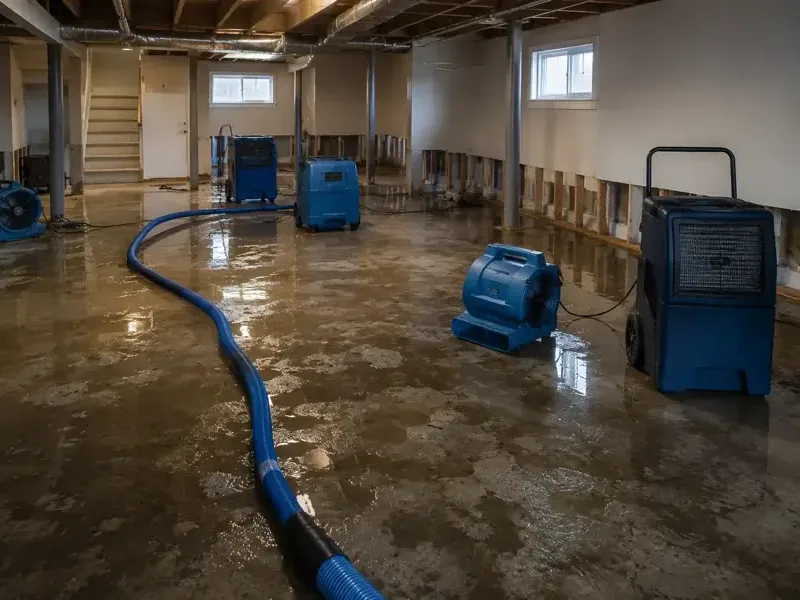
June 2021: Three rain gardens were installed along Orient Avenue to filter street runoff and reduce flooding, adding a local stormwater management measure beside the roadway.
Blocked storm drains
Leaves and grass clippings can obstruct city storm drains and cause flooding. Indoor water should be traced back to its entry route before cleanup assumptions are made.
Pond directed runoff
Rain and melting snow carry runoff toward waterways including Ell Pond. A wet building still needs its own examination of thresholds, openings and below grade entry.
Separate drainage systems
The sanitary sewer and stormwater systems are separate. Water coming through a fixture drain requires a different investigation from rainwater crossing an exterior doorway.
Commercial interiors
Downtown Melrose includes small stores and Victorian architecture. Restoration planning should consider inventory, occupied areas and the materials actually exposed inside each space.
Connected floor assemblies
Swains Pond and Towners Pond sit on the city's east side. At individual properties, moisture testing follows wet finishes into connected spaces before drying boundaries are set.
Questions during a water loss
Can a dry surface still need attention?
Yes. Moisture may remain beneath a floor covering or inside a wall after its face looks dry. Measurements at affected and unaffected locations help determine whether retained material needs further drying or whether repair preparation can begin.
What helps distinguish rainwater from a plumbing leak?
Timing, fixture use and the first visible entry point all matter. The inspection follows water movement through the building and compares it with source conditions. A puddle beside an exterior wall alone cannot identify the cause.
Should possessions stay in the wet room?
Movable items can be relocated when the route is safe and handling will not spread contamination. Photographs should record the original condition first. Heavy furniture, unstable shelving and objects near electrical equipment may need professional handling instead.
Does equipment run until the floor looks normal?
The endpoint should follow moisture readings and material condition. Floor appearance is only one observation. Concealed layers may dry more slowly than exposed faces, so the equipment arrangement can change as measurements show where moisture remains.
How is a sewage incident handled differently?
The affected area is separated from household traffic, contaminated material is assessed for removal and reusable surfaces receive appropriate cleaning. Ordinary household fans can spread droplets from dirty water, so equipment placement follows containment and cleanup decisions.
Can restoration start before the source is repaired?
Urgent protective work may be coordinated while a qualified trade addresses the source. Continuing water entry must be controlled for drying to progress. The written scope should identify temporary protection, permanent source repair and interior restoration as separate tasks.
Are historic buildings treated the same as newer ones?
The actual finish layers and their condition determine access and drying methods. Older decorative elements may need careful removal and storage. Building age by itself does not identify the flooring, wall construction or plumbing present in a particular room.
What information belongs in the estimate?
Useful estimates identify affected spaces, proposed removal, cleaning needs and drying work. They also explain exclusions and any repairs handled by another trade. Clear scope descriptions make it easier to compare proposals with the documented damage.
When can replacement flooring be installed?
The substrate needs to meet the requirements for the intended flooring system after the water source is controlled. Final moisture records support that decision. Covering a damp layer too early can trap water beneath the replacement finish.
Give wet materials a clear path to recovery
An assessment connects visible damage with concealed moisture, practical access and the work required before the room is repaired.
(888) 629-3140Arrange a room assessment