Storm and Flood Cleanup in Melrose, MA
Rainwater reaching an interior can carry debris through doorways and floor seams. Melrose storm cleanup examines the entry route before deciding which materials need removal, cleaning or a controlled drying setup.
(888) 629-3140Discuss stormwater inside the building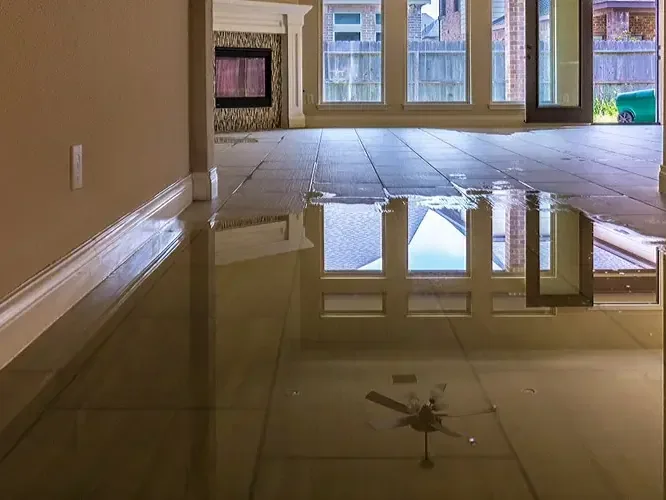
Leaves and grass clippings can clog Melrose storm drains and cause flooding. When outdoor water reaches a building, the first interior task is to identify where it entered and whether the route remains active. Extraction alone cannot keep a room dry while more runoff crosses the same opening.
The storm and flood cleanup process
Inspect entry and exposure
The team relates outdoor water marks to the affected indoor surfaces, identifying active inflow and any hazards that limit safe access to the work area.
Collect water and deposits
Removal addresses pooled water and accumulated debris through a controlled path, with contents and finish decisions based on their actual exposure and condition.
Clean before drying
Accessible retained surfaces are treated after unsuitable material is removed, allowing the drying arrangement to address clean assemblies rather than concealed dirty deposits.
Document the remaining work
Moisture results and source observations identify what is ready for repair and what exterior or interior work remains outside the completed restoration scope.
Connect outdoor conditions with indoor damage
Ell Pond receives untreated stormwater from surrounding streets. The city also identifies frequent flooding and overflowing catch basins in the City Hall parking lot. At an individual property, the inspection should follow the actual threshold, wall opening or lower level entry that admitted water, then map the interior surfaces it contacted.
June 2021: Three rain gardens were installed along Orient Avenue to filter street runoff and reduce flooding. Property cleanup still depends on the conditions at the affected building. A record of entry marks, debris and wet contents helps distinguish exterior water movement from a separate plumbing release.
Outdoor water in a room needs an entry assessment and a controlled cleanup sequence. Describe the visible deposits, affected finishes and any water still moving inside.
(888) 629-3140Plan the storm cleanup boundaryRemove deposits before setting the drying plan
Outdoor water can leave sediment beneath furniture, along floor edges and inside accessible cavities. Porous material requires a condition and contamination assessment, while retained surfaces need cleaning access. The removal scope should identify both visibly damaged finishes and layers that prevent effective treatment underneath.
- Keep occupants away from water near outlets, appliances and electrical panels.
- Photograph entry marks and deposited debris before the area is disturbed.
- Separate affected contents from clean storage and ordinary household traffic.
- Check adjoining rooms where water passed under a doorway or partition.
The entry repair belongs beside the cleanup scope
Temporary protection, drainage investigation and permanent building repairs may involve different trades. The restoration plan should state which source conditions remain unresolved while water extraction and interior treatment proceed.
Measure the materials left in place
After deposits and unsuitable finishes are removed, drying targets the retained assembly. Repeat measurements indicate whether wall bases and floor layers are responding. The basement cleanup service addresses lower room concerns when stormwater collects below the main living level. Documentation should connect the original entry pattern with the cleaned areas and the remaining repair tasks.
Practical steps for storm and flood cleanup
Wait for a safe approach
Standing outdoor water and affected electrical equipment can make entry unsafe; the appropriate professionals should assess those conditions before occupants attempt to retrieve items or operate equipment.
Record the entry marks
Photographs from dry positions should show thresholds, debris deposits and water marks, preserving useful information before removal and cleaning alter the original storm damage pattern.
Separate affected possessions
Contents handling should prevent dirty water from reaching clean rooms, with absorbent items evaluated before they are carried through shared living or business spaces.
Describe ongoing water movement
The initial assessment should identify whether water is still entering, where it collects and which access routes remain usable for a controlled interior cleanup operation.
What does storm and flood cleanup cost in Melrose, MA?
Melrose storm cleanup ranges depend on water entry, deposits and the affected finish layers. A written estimate should distinguish removal and drying from exterior drainage work, building repairs and replacement contents.
Limited indoor entry
$2,500 to $4,500
- Entry survey
- Water collection
- Surface treatment
Multiple rooms
$4,500 to $8,000
- Debris removal
- Porous assessment
- Drying zones
Extensive flooding
$8,000 to $12,000+
- Broad cleanup
- Controlled handling
- Material monitoring
Water category, affected square footage, material class and the delay before drying all change the scope. These planning ranges are not a quote. Compare the water damage cost calculator with the written on-site scope.
Storm and flood cleanup coverage in Melrose
Storm damage assessments include properties around Ell Pond, Orient Avenue and City Hall. The actual entry route, indoor water contact and available dry access determine cleanup boundaries and equipment placement at each building.
The same service nearby: storm and flood cleanup in Wakefield, Stoneham, Reading.
Related water damage services in Melrose


Storm and Flood Cleanup questions in Melrose, MA
Is outdoor water treated like a clean supply spill?
Its route and contact with outdoor surfaces change the cleanup assessment. Deposits and contamination can remain after the water disappears. The crew evaluates contacted finishes and contents before choosing cleaning, removal and drying methods for the affected interior.
Should cleanup wait until every exterior repair is finished?
Urgent interior protection may proceed when access is safe and ongoing water entry can be controlled. Permanent source repairs can require a separate trade. Coordination is essential so unfinished exterior conditions do not repeatedly wet materials during the drying process.
Why photograph sediment before it is removed?
Deposits can help show the entry route and the original reach of outdoor water. Once cleaning begins, those clues may disappear. Safe photographs support the loss record and help connect damaged contents with the rooms and surfaces affected during the event.
Can soaked boxes remain in the drying room?
Wet absorbent storage can add moisture and may carry contamination into cleaned areas. The contents need evaluation and a handling plan. Moving or discarding items should preserve a record of their condition while keeping clean possessions separated from the affected group.
How is hidden stormwater spread checked?
The survey follows wall bases, transitions and openings beyond the visibly wet floor. Selective access may reveal deposits or moisture trapped beneath finishes. Measurements then help establish which retained materials need continued drying after removal and cleaning are complete.
Will the work prevent another stormwater entry?
Interior restoration addresses the current damage. Future entry depends on the building and drainage conditions involved. The assessment should identify the observed route and any required source work, with permanent correction handled under a clearly defined repair scope.
Discuss stormwater inside the building
The work scope can connect source control with material removal, surface cleaning and the drying needed before interior repairs.
(888) 629-3140Assess the storm affected rooms