Storm and Flood Cleanup in Reading, MA
Rainwater that crosses a threshold can carry soil into layers that look intact. Storm cleanup in Reading identifies how water entered and what it contacted before selecting removal, cleaning and drying methods.
(888) 629-3140Discuss water entering after rain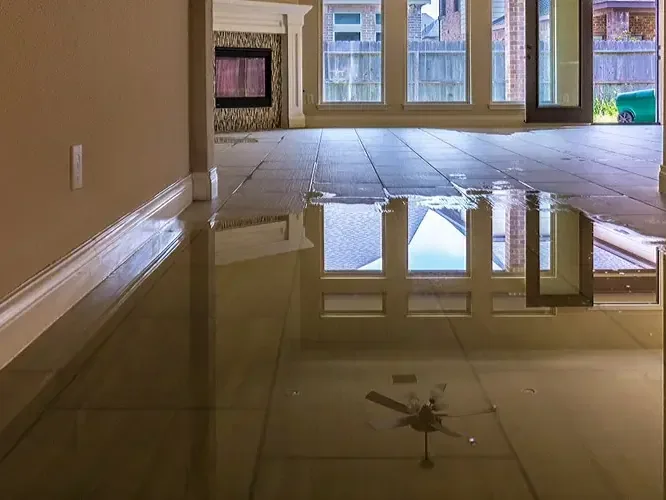
Water entering from outdoors can leave a narrow dirty mark while spreading widely beneath flooring. Its route may pass through a doorway, window opening or building penetration before reaching the lowest interior point. The cleanup scope follows that path, including the layers hidden behind apparently undamaged finishes.
The storm and flood cleanup process
Reconstruct the indoor water route
The assessment links observed entry marks, sediment and wet contents to the affected floor plan, identifying access hazards and likely concealed collection points.
Separate recoverable materials from waste
Contamination and physical condition determine handling decisions, with unsuitable absorbent finishes removed so remaining building surfaces can receive the required cleaning treatment.
Dry the exposed retained structure
Equipment is positioned around accessible wet assemblies after cleaning, then adjusted as observations show where moisture remains or where airflow needs further improvement.
Connect recovery with remaining repairs
The closing record identifies interior work completed and any unresolved entry defects, helping the owner coordinate weather protection, finish replacement and return to room use.
Use the entry point to organize the assessment
Bare Meadow Conservation Area connects to wetland and forested wetland areas, including North Cedar Swamp and South Cedar Swamp. The municipal Stormwater Management Program maps and inspects drainage infrastructure. For an individual building, the important starting detail is the specific opening through which water arrived during the reported rain.
Photographs of exterior accumulation and the indoor entry mark can help preserve that sequence. They should be taken only from safe positions. The inspection then follows sediment, damp edges and affected contents inside, keeping the source investigation connected with the cleaning plan without substituting nearby outdoor features for building observations.
- Mark the first wet threshold and the rooms that received water beyond it.
- Record sediment beneath furniture or along partitions before cleanup removes those clues.
- Separate water exposed storage from dry belongings that can remain outside the work zone.
- Identify damaged doors or openings requiring repair to prevent another entry during rainfall.
Storm water inside a Reading property needs an assessment of entry, contamination and hidden spread before the recovery work can be organized around the damaged rooms.
(888) 629-3140Describe the storm entry routeAddress contamination before restoring room use
Outdoor floodwater may carry material that cannot be removed from absorbent finishes by simple surface wiping. Flooring layers, lower wall sections and stored paper goods need individual evaluation. The crew determines which components can be cleaned and which need removal so retained surfaces become accessible for recovery.
Drying equipment follows the cleaning scope
Powerful air movement is not the first answer to a dirty flooded room. Water and debris removal, exposure assessment and necessary cleaning create the conditions for controlled drying. The work record should explain that order and show which materials remain for continued monitoring.
Keep prevention work separate from interior recovery
A repaired doorway or drainage improvement addresses future entry, while water extraction handles liquid already inside. Basement flooding cleanup may also apply when water reaches a lower occupied room. Before finish repairs start, the retained assembly needs documented moisture checks and a clear list of unresolved exterior repairs.
Practical steps for storm and flood cleanup
Wait for safe building access
Moving water, unstable surfaces and wet electrical equipment require attention before entry. The initial damage description can be provided from an unaffected and accessible location.
Record the apparent entry opening
Photograph the threshold, window or other visible path when safe, preserving marks that connect exterior water accumulation with the damaged rooms inside the property.
Keep dirty contents separated
Avoid shifting wet boxes or floor coverings through clean rooms. A planned handling route helps prevent sediment and contaminated moisture from spreading across occupied space.
Describe continuing weather entry
Tell the response team whether rainfall is still bringing water inside and identify any temporary protection already arranged by the person responsible for building repairs.
What does storm and flood cleanup cost in Reading, MA?
Storm cleanup costs in Reading vary with contaminated floor area, sediment, damaged porous layers and access. Entry repairs and reconstruction should be distinguished from extraction, cleaning and retained material drying in the proposed scope.
Limited indoor entry
$2,500 to $4,500
- Entry assessment
- Debris removal
- Surface recovery
Multiple rooms
$4,500 to $8,000
- Finish evaluation
- Controlled disposal
- Assembly drying
Extensive flooding
$8,000 to $12,000+
- Broad cleaning
- Contents coordination
- Detailed monitoring
Water category, affected square footage, material class and the delay before drying all change the scope. These planning ranges are not a quote. Compare the water damage cost calculator with the written on-site scope.
Storm and flood cleanup coverage in Reading
Storm loss assessments include the Lowell Street and Willow Street corridors and Wood End. The response plan depends on accessible entry routes, ongoing water conditions and the specific interior materials affected at the property.
The same service nearby: storm and flood cleanup in Wakefield, Stoneham, North Reading.
Related water damage services in Reading


Storm and Flood Cleanup questions in Reading, MA
Is rainwater indoors always treated as clean?
The route into the building matters. Water crossing soil, debris or dirty exterior surfaces can bring contamination indoors. The assessment considers that contact along with affected materials, rather than treating every rain related puddle as a simple clean supply spill.
Should wet floor coverings be pulled up immediately?
Unsafe entry and contamination should be evaluated first. Pulling up material without a handling plan can spread dirty water and expose hidden hazards. Removal decisions should identify the affected layers and establish a controlled route for carrying waste from the building.
Can an entry repair replace indoor cleanup?
Closing the opening limits future water entry, but moisture and sediment already inside still require attention. The restoration scope follows those materials into flooring and wall edges. Exterior correction and interior recovery should both be tracked, with their separate tasks explained.
What if the flooding reached stored cardboard?
Absorbent packaging can hold dirty water and transfer it to contents or adjacent surfaces. The items need sorting within the cleanup plan. Photographs and an inventory can preserve damage information before contaminated packaging is removed from the affected storage area.
Does nearby wetland space determine the cleanup scope?
The work is determined at the affected property by the entry route, water contact and damaged assemblies. The inspection should record those conditions directly. Equipment, cleaning and removal decisions follow the building's damage rather than a general description of the surrounding landscape.
When is the room ready for new finishes?
Retained materials need suitable moisture conditions, necessary cleaning must be complete and the ongoing entry problem must be addressed. The repair handoff should describe those findings and any remaining tasks so new wall or floor finishes do not conceal unfinished recovery.
Describe flooded room conditions
Include the opening where water appeared, affected floor coverings and whether additional rain is still entering the building during the initial discussion.
(888) 629-3140Discuss outdoor water cleanup