Storm and Flood Cleanup in North Reading, MA
Floodwater can leave sediment beneath furniture and moisture inside walls long after the level drops. North Reading storm cleanup addresses safe entry, contaminated materials and the building layers that remain wet.
(888) 629-3140Discuss storm entry and cleanup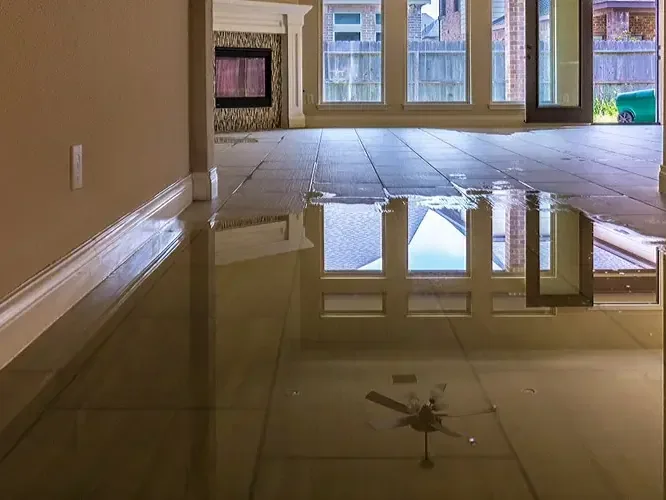
A storm loss can combine several entry routes. Water may cross a doorway, seep into a lower room or arrive through damaged roof surfaces. Identifying those routes matters because outdoor floodwater and an isolated overhead rain leak can require different material handling within the same property.
The storm and flood cleanup process
Assess entry and exposure
The crew identifies water pathways, debris, contamination concerns and access limits before deciding how removal can proceed through the affected indoor spaces.
Remove liquid and debris
Accessible water and accumulated material are removed with handling suited to the exposure, while absorbent finishes receive separate retention or disposal decisions.
Clean the retained structure
Remaining surfaces are addressed before drying, including accessible wall bases and fixed features where storm residues may have collected beyond the obvious puddle.
Dry and document materials
Equipment and follow-up readings track retained assemblies, producing a clear record of their condition before replacement finishes or other reconstruction work begins.
Put the flood history in practical context
May 2006 and April 2007 flooding along the Ipswich River, Martins Brook and tributaries damaged homes, businesses and town infrastructure. The municipal account reports evacuations and impassable streets. Illustrations from May 2006 show flooding near Martins Pond and at the Ipswich River Park gazebo.
At a damaged building, current access and indoor conditions determine the response. Occupants should avoid entering moving or electrically hazardous water to retrieve belongings. Once entry is appropriate, the team records the water footprint, sediment and affected materials before removal changes the scene.
- Identify exterior entry points without entering unsafe water or climbing damaged surfaces.
- Separate flood-exposed soft contents from belongings that remained dry and protected.
- Record visible water marks before cleaning removes evidence of the original level.
- Keep exterior repair proposals separate from indoor material removal and drying.
Stormwater inside a North Reading property needs careful removal and a clear record of contamination, damaged finishes and the materials selected for drying.
(888) 629-3140Discuss the indoor flood damageRemove residues before rebuilding the room
Sediment can collect under cabinets, behind baseboards and inside absorbent contents. Extraction is only part of the cleanup. Material evaluation and cleaning need to reach those collection points before drying equipment is arranged around suitable retained surfaces.
Outdoor changes need their own planning
The Conservation Commission addresses alterations involving protected wetlands and floodplains. A proposal to change drainage outside the building should be discussed on its own terms, while urgent indoor cleanup focuses on the water and damaged materials already present.
Keep the recovery sequence visible
The North Reading Building Department can address remodeling questions as replacement plans develop. Document source protection, removed finishes and material moisture conditions so later contractors understand what remains. Structural drying should end with a recorded assessment rather than a decision based only on how the room feels. Reconstruction can then proceed from a defined condition, with outstanding exterior work still clearly listed.
Practical steps for storm and flood cleanup
Wait for safe access
Occupants should remain outside areas with rising water, unstable surfaces or electrical exposure. Belongings can wait until a safe route into the building is established.
Record the entry conditions
From a protected position, note doors, walls or ceilings where water appeared. These observations help separate ground-level flooding from an overhead rain intrusion during assessment.
Protect dry living areas
Keep flood-exposed footwear and movable contents away from unaffected rooms. A planned handling route reduces the amount of additional cleaning needed during removal.
Collect the initial loss record
Photograph water marks, sediment and affected belongings before cleanup when safe. Retain source protection receipts and later removal records with the same project information.
What does storm and flood cleanup cost in North Reading, MA?
Storm cleanup in North Reading is priced around indoor entry, contamination and affected finishes. Debris, concealed wet layers and several connected rooms can expand the scope beyond simple removal of visible water.
Limited indoor entry
$2,500 to $4,500
- Entry assessment
- Localized water removal
- Surface cleanup
Multiple rooms
$4,500 to $8,000
- Expanded debris handling
- Wet finish evaluation
- Drying equipment
Extensive flooding
$8,000 to $12,000+
- Broad material removal
- Retained assembly drying
- Detailed condition records
Water category, affected square footage, material class and the delay before drying all change the scope. These planning ranges are not a quote. Compare the water damage cost calculator with the written on-site scope.
Storm and flood cleanup coverage in North Reading
Storm cleanup planning includes buildings around Martins Pond, Ipswich River Park and Chestnut Street. Describe present indoor water entry, debris and safe access conditions so the response reflects the affected property and its occupied spaces.
The same service nearby: storm and flood cleanup in Wakefield, Reading, Stoneham.
Water damage restoration in North Reading · every town covered
Related water damage services in North Reading


Storm and Flood Cleanup questions in North Reading, MA
Should occupants enter once the water level drops?
A lower water level does not settle electrical, contamination or structural concerns. Access should depend on the actual building condition and relevant professional assessment. Photographs and belongings can be addressed after a safe route and appropriate handling approach are established.
Is rain through a roof handled like floodwater?
The team evaluates each entry route and the materials contacted. Water crossing outdoor ground can bring different contamination than a localized roof intrusion. When both occur, the scope should distinguish affected areas instead of assigning every wet room the same treatment.
What does the town's flood history show?
The municipal account describes damaging floods in May 2006 and April 2007 along the river and tributaries, including evacuations and impassable streets. Current cleanup planning still requires an assessment of the property's present water entry, indoor damage and access conditions.
Can drainage work begin with the cleanup?
Exterior drainage changes and indoor mitigation have different requirements. The Conservation Commission addresses alterations to protected wetland areas and floodplains. Owners can discuss proposed outside work with the relevant town office while arranging safe removal of water already inside.
Why photograph sediment before cleaning it?
Sediment patterns and water marks help show where floodwater traveled and which belongings were exposed. Cleaning can erase those details. Safe initial photographs, followed by removal and drying records, provide a clearer account for repair planning and insurer discussions.
When are wall and floor replacements appropriate?
Suitable retained materials need cleaning and moisture verification before enclosure. Removed finishes also reveal areas requiring repair. The restoration record should identify those conditions so replacement work follows the completed mitigation scope and any ongoing entry problem receives attention.
Identify the water entry routes
Describe affected rooms and current access so cleanup can be organized around the building's immediate recovery needs.
(888) 629-3140Arrange storm damage cleanup planning