Basement Flooding Cleanup in Melrose, MA
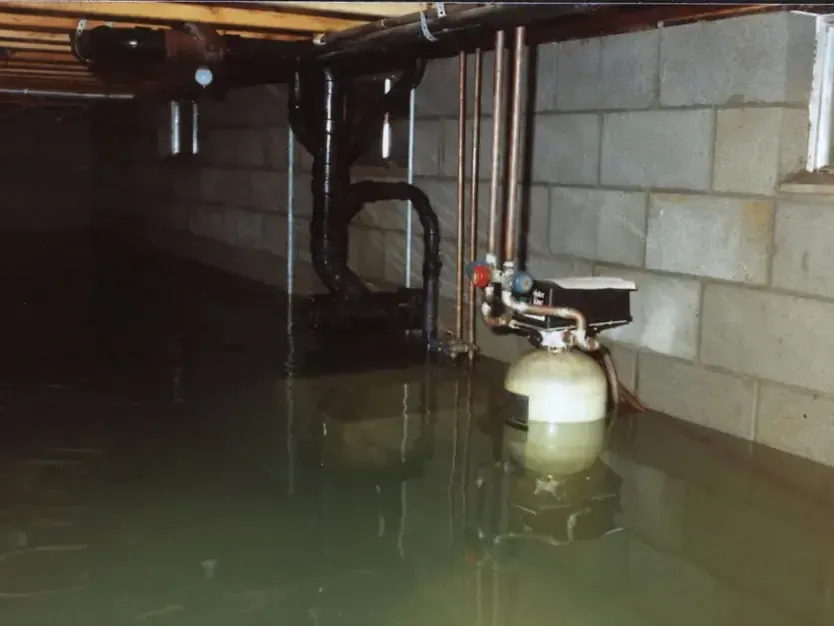
A flooded lower room needs a safe entry decision before pumping begins. Melrose basement cleanup examines electrical exposure, the water's route into the building and the finishes or stored contents it reached.
(888) 629-3140Assess the flooded basement conditions
Melrose identifies blocked storm drains as a flooding mechanism when leaves or grass clippings obstruct flow. At a flooded basement, the inspection still needs to locate the building's actual entry route. Water crossing an opening requires different source work from a failed interior pipe or wastewater rising through a fixture.
The basement flooding cleanup process
Assess entry and water condition
The crew identifies hazards and the likely source, relating accumulated water to wet finishes and storage before selecting removal and cleaning methods.
Remove water through a planned route
Extraction and contents handling proceed without carrying affected material through clean spaces unnecessarily, while continuing inflow is monitored and coordinated with the source repair trade.
Expose and dry retained finishes
Necessary removal opens wet layers, and measurements direct drying of accessible walls, floor assemblies and supporting materials that remain after cleaning and condition assessment.
Record lower level readiness
The handoff records completed cleanup, retained moisture and unfinished source or finish work, establishing what remains before the basement returns to use.
Establish safe access before water removal
Standing water near electrical equipment can make the lower level unsafe to enter. The condition of stairs, stored objects and wet finishes also matters. At properties near Ell Pond, access planning should be based on the affected building and its utilities before anyone attempts to retrieve possessions or set up a pump.
- Keep occupants outside water that may contact energized equipment or outlets.
- Record the visible depth and entry marks from a safe dry position.
- Identify wet storage that blocks inspection of lower wall sections.
- Note any continuing inflow before planning the sequence of water removal.
A flooded basement needs safe access, a traced source and a plan for affected storage. Describe the water entry and the lower rooms involved.
(888) 629-3140Plan the lower room recoveryFollow water into the lower room finishes
A basement can contain an exposed utility floor, a finished room or connected storage areas. The cleanup plan follows what is actually installed. At a property near Orient Avenue, the crew should inspect transitions and partition bases where water can move into layers that remain hidden after the open floor is cleared.
The source determines the cleaning approach
Outdoor entry and a drain backup require attention to contamination as well as moisture. Sewage cleanup uses controlled handling when wastewater is involved. The water condition should be established before ordinary drying equipment is placed across the affected room.
Separate storage recovery from building repairs
Properties near Pine Banks Park may need a sorting area for soaked boxes and movable contents while the building is treated. Photographs preserve the original condition before objects are relocated. Keeping those contents outside the drying path helps expose floor edges and prevents damp storage from concealing unfinished work.
The sump failure cleanup service addresses losses connected to a pit overflow. Whatever the source, the final record should identify retained material readings, removed finishes and the repair work still required before the lower level returns to ordinary use.
Practical steps for basement flooding cleanup
Stay on the dry approach
Occupants should avoid entering standing water until electrical and building conditions are assessed, particularly where the route passes near equipment, outlets or an obstructed stair landing.
Describe the likely entry point
Safe observations of a doorway, wall opening, drain or pit can help establish the source investigation while the team plans how to reach the accumulated water.
Photograph exposed storage
Images of boxes, furniture and wet lower finishes preserve the damage pattern before handling begins, supporting later decisions about contents treatment and material removal.
Keep clean storage separate
Dry belongings should remain outside the affected area and the removal route, reducing unnecessary handling while giving the crew access to wall bases and floor transitions.
What does basement flooding cleanup cost in Melrose, MA?
Melrose basement cleanup costs vary with safe access, water condition and the amount of finished material affected. The estimate should distinguish extraction, cleaning and drying from source repairs, contents replacement and lower room rebuilding.
Unfinished wet area
$1,800 to $3,200
- Access assessment
- Water collection
- Surface checks
Finished lower room
$3,200 to $6,000
- Finish assessment
- Contents handling
- Material drying
Broad basement loss
$6,000 to $9,500+
- Connected space survey
- Controlled removal
- Repair documentation
Water category, affected square footage, material class and the delay before drying all change the scope. These planning ranges are not a quote. Compare the water damage cost calculator with the written on-site scope.
Basement flooding cleanup coverage in Melrose
Basement assessments include properties around Ell Pond, Orient Avenue and Pine Banks Park. The lower level layout, affected utilities and water condition determine how the team reaches the loss and treats wet finishes and storage.
The same service nearby: basement flooding cleanup in Wakefield, Stoneham, Reading.
Related water damage services in Melrose

Basement Flooding Cleanup questions in Melrose, MA
Can a basement be entered if the water looks shallow?
Electrical and structural safety require assessment at any water depth. A shallow layer may still contact an outlet or equipment. Entry needs an assessment of the actual route and affected utilities before occupants retrieve items or attempt to operate water removal equipment.
How is the source distinguished from the collection point?
The lowest area may collect water from a different opening or room. The survey follows entry marks, fixture conditions and visible flow while reviewing the building layout. That investigation helps keep the source repair separate from the location where pumping is needed.
Should stored boxes be emptied in an upstairs room?
Handling should preserve a clean route and avoid transferring wet or contaminated material into unaffected spaces. A suitable sorting area can be established after exposure is assessed. Photographs taken before movement help document the original condition of boxes and their contents.
Can finished basement walls remain after flooding?
Their condition, water exposure and access for cleaning and drying determine the decision. Some material may remain while saturated or contaminated layers need removal. Measurements and accessible inspection should support the scope rather than assuming every lower wall requires the same treatment.
What if the floor floods again during cleanup?
Recurring inflow means the source condition needs further attention. Extraction may provide temporary control, but sustained drying requires a workable source plan. The crew should record renewed entry and coordinate with the appropriate trade before closing wet assemblies or replacing damaged finishes.
When can furniture return to the lower level?
The floor and adjoining retained materials need an assessed condition suitable for use, and remaining equipment access must stay clear. Furniture placement should follow the completed cleanup and drying assessment. Wet or contaminated contents require their own handling decisions before reintroduction.
Assess the flooded basement conditions
An assessment can establish the removal route, necessary cleaning and retained materials that need drying before the space is rebuilt.
(888) 629-3140Discuss basement access and cleanup