Ceiling Leak Water Damage in Stoneham, MA
A ceiling holding water deserves an empty space beneath it. Assessment identifies whether plumbing, equipment or rain is feeding the cavity before damaged finishes are opened and retained materials dried.
(888) 629-3140Assess the wet overhead cavity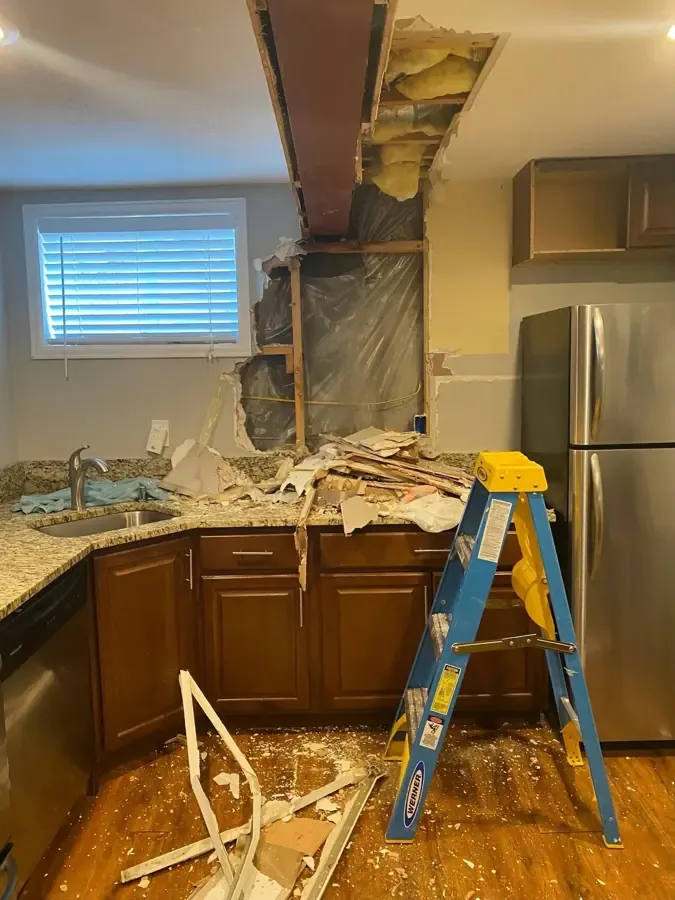
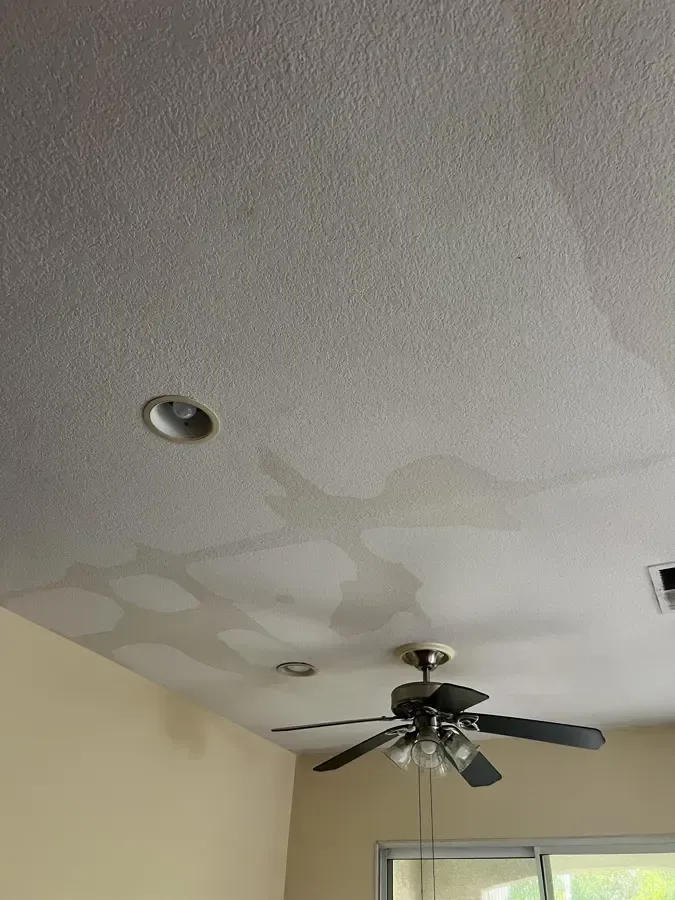
The shape of a stain can hide the direction of the leak. Water from an upstairs fixture may move along framing before reaching the ceiling below, while roof entry can follow a similar path. In Stoneham, overhead cleanup starts by locating the source and assessing the condition of the room beneath it.
The ceiling leak water damage process
Establish overhead precautions
The team evaluates ceiling condition and electrical concerns before setting the work boundary and selecting a safe approach to the affected cavity.
Find the connected source
Inspection combines the visible stain pattern with observations above the ceiling, coordinating plumbing or roof findings with the interior damage survey.
Expose and dry retained materials
Necessary access reveals the damp assembly so unsuitable layers can be removed and the remaining framing addressed with an appropriate drying arrangement.
Prepare the repair handoff
Recorded moisture results and material decisions explain which openings can proceed to repair and which source or electrical tasks still require attention.
Use changes in the stain as observations
A mark that expands after fixture use gives different information from a drip that appears during rain. Neither observation replaces source inspection, but both help focus it. The owner can describe the timing from a safe place without touching softened board, opening a bulge or approaching a wet light fitting.
Properties around Stoneham Central Middle School, Colonial Park School and Pleasant Street can have different interior layouts. The inspection follows the actual room above the stain, any accessible pipe or appliance connections and the framing arrangement. The work area below may need protection before the team exposes the damp cavity.
- Identify whether the ceiling has softened, bowed or developed fresh cracking.
- Describe any room or fixture directly above the visible water mark.
- Leave wet electrical fittings untouched until their condition is assessed.
- Record wall streaks that may indicate water has left the ceiling cavity.
A ceiling stain, sag or drip needs assessment above the visible finish. Keeping the room below clear allows the source and cavity to be examined safely.
(888) 629-3140Discuss the overhead water damageOpen for a defined inspection and drying purpose
Selective ceiling access can reveal wet insulation, pipe connections and the extent of damp framing. The opening should be planned around safety and the material condition. A stained surface may remain suitable for repair after drying, while weakened board or inaccessible wet insulation may require removal to expose the retained assembly.
A drip stopping is only one observation
Water can stop appearing below while moisture remains above the ceiling board. The next decision depends on inspection and readings. When a supply component is involved, burst pipe restoration addresses the related spread beyond the overhead cavity.
Connect source work with the final ceiling repair
Stoneham Public Works Water/Sewer Department maintains municipal facilities, and Stoneham Police Department receives after hours water and sewer emergency reports. Inside the building, a plumbing or roofing professional addresses the diagnosed source. The restoration team records the wet materials and follows their drying progress before ceiling replacement is recommended.
If the entry came through the roof, roof leak cleanup extends the assessment into accessible attic materials. Keeping the source findings, removal photos and moisture results together helps the owner distinguish a cosmetic stain repair from work needed within the cavity.
Practical steps for ceiling leak water damage
Clear the area underneath
Keep furniture users, occupants and pets away from any bowed or cracked ceiling section rather than testing it by pressing from below.
Avoid the wet light fitting
Do not operate or touch a fitting in the wet area; electrical assessment should precede any work that brings people near affected components.
Describe the room above
Share whether a bathroom, laundry appliance, attic or other space sits above the mark, along with any recent change in fixture use.
Capture the visible pattern safely
Photographs from outside the overhead hazard can show stain edges and wall streaks before access work changes the appearance of the ceiling.
What does ceiling leak water damage cost in Stoneham, MA?
Ceiling leak restoration in Stoneham depends on cavity access, overhead material condition and water spread. The ranges distinguish localized work from broader losses; source repair and replacement decoration should be described separately from mitigation.
Localized stain
$900 to $1,800
- Surface assessment
- Cavity readings
- Focused drying
Wet ceiling cavity
$1,800 to $3,200
- Controlled access
- Insulation decisions
- Framing checks
Broader overhead loss
$3,200 to $5,000+
- Room protection
- Extended material removal
- Drying progress documentation
Water category, affected square footage, material class and the delay before drying all change the scope. These planning ranges are not a quote. Compare the water damage cost calculator with the written on-site scope.
Ceiling leak water damage coverage in Stoneham
Ceiling assessments cover properties near Colonial Park School, Pleasant Street and Stoneham Central Middle School. The caller should describe the overhead stain, the room above it and any movement in the finish before access to the space is planned.
The same service nearby: ceiling leak water damage in Wakefield, Melrose, Woburn.
Related water damage services in Stoneham

Ceiling Leak Water Damage questions in Stoneham, MA
Is a ceiling bulge safe to drain manually?
A bulge can involve weakened material and hidden electrical components. Occupants should keep the area below clear and avoid puncturing or pressing it. A professional assessment determines safe access and controlled removal based on the condition of the ceiling and cavity.
Can water come from a different room above?
Water can follow framing and service openings before appearing below, so the source may be offset from the stain. Inspection looks beyond the obvious vertical alignment. Changes during fixture use or rainfall can help focus the search for the actual entry.
Does every stained ceiling need replacement?
Replacement depends on strength, saturation, contamination and access requirements. Some finishes may be suitable for repair once the assembly is dry; others need removal to reach damaged layers. The team should explain the condition that supports the decision for the affected section.
What should happen around a wet light?
The fitting and nearby controls should remain untouched until an appropriate electrical professional assesses them. Water in the surrounding cavity may affect concealed components. Ceiling cleanup should be coordinated with that assessment so opening or drying work does not introduce an additional hazard.
Why inspect insulation after the surface dries?
Insulation above the board can remain damp when the painted face looks normal. It can also restrict inspection of nearby framing. Examining the hidden layers helps determine whether drying can continue with materials in place or whether access and removal are required.
When can paint and decoration begin?
The source needs repair, the retained assembly needs suitable moisture conditions and any damaged board requires appropriate replacement first. Cosmetic work follows those decisions. Moisture records and inspection findings provide a better basis for scheduling decoration than waiting for the stain to fade.
Describe the stain and room above
The mitigation team can explain access, removal and drying requirements before the ceiling is closed and the room returns to normal use.
(888) 629-3140Arrange a ceiling cavity assessment