Storm and Flood Cleanup in Woburn, MA
Outdoor water can leave sediment inside a room long after the storm passes. Woburn flood cleanup assesses the entry route, contaminated materials and continued inflow before setting a workable drying sequence.
(888) 629-3140Assess storm water inside the building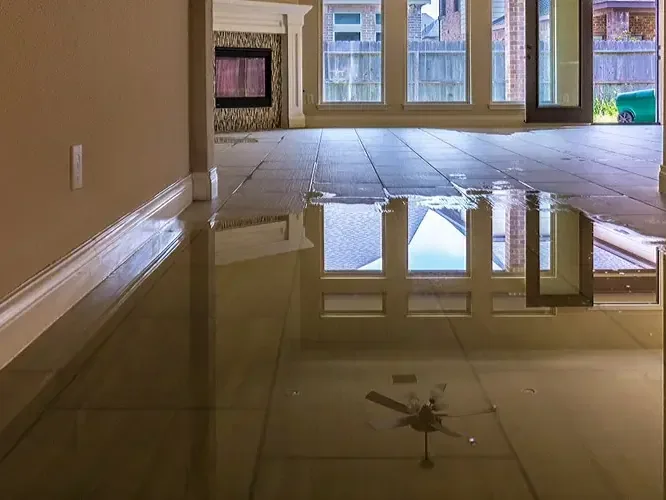
Floodwater can move through an entrance, a low opening or an affected lower level and leave debris across several rooms. The cleanup needs to address both the liquid and what traveled with it. Safe entry, utility conditions and continued water movement are assessed before workers begin removing contents.
The storm and flood cleanup process
Assess entry and utility conditions
The initial survey considers water movement, electrical concerns and safe access, then identifies which indoor areas can be reached for controlled removal.
Extract water and clear deposits
Accessible liquid and sediment are removed in a planned sequence that protects clean routes and exposes affected floors, walls and contents for assessment.
Treat or remove contacted materials
The condition and cleanability of each affected assembly determine the next action, with porous finishes and concealed debris receiving particular attention.
Track drying after cleanup
Moisture readings follow the retained structure as equipment operates, and final records distinguish completed indoor treatment from any outstanding exterior entry repairs.
Use the actual water route to define the loss
Flooding is the city's most common and serious natural hazard. Roads and residences near Horn Pond Brook already experience flooding, and the Local Floodplain Map includes flood-prone areas outside the FEMA study. For an affected property, photographs of the entry point and indoor spread help establish the specific cleanup boundary.
Stormwater pipes discharge toward waterways including the Aberjona River and Walker Pond. The Department of Public Works manages municipal drainage, while the indoor assessment follows water across the building's own floors and cavities. Wet conditions outside may continue after visible rainfall stops.
Outdoor water inside a building needs sediment removal, material assessment and entry control before the affected room is ready for drying or repairs.
(888) 629-3140Discuss the indoor flood footprintRemove debris without spreading it indoors
Sediment can lodge under flooring, against wall bottoms and inside stored belongings. Moving those items through clean rooms can enlarge the affected area. The work plan should set a removal route and decide which materials can be cleaned before air movers are positioned.
- Document residue and high-water marks before washing or removing surfaces.
- Separate clean possessions from contents contacted by outdoor water.
- Check enclosed floor edges for deposited debris and retained moisture.
- Keep unsafe electrical spaces closed until appropriate assessment permits access.
Continuing inflow changes the sequence
Extraction may need to work alongside measures that limit further entry. Drying equipment cannot compensate for water that keeps crossing the threshold. The source control plan and the indoor cleanup scope should be discussed together before finishes are prepared for repair.
Dry only after the cleaning decisions are made
Basement flood treatment includes the particular access and contents concerns of lower rooms. Where damage extends elsewhere, the inspection follows every connected wet assembly rather than ending at the most visibly flooded space.
Once removal and cleaning expose the retained materials, structural drying uses moisture measurements to direct equipment. Repair planning then follows the documented condition of the building, including any entry defect still needing correction.
Practical steps for storm and flood cleanup
Wait for safe building access
A flooded room may contain electrical or structural hazards. Entry should depend on assessed conditions rather than the apparent depth of the water at the doorway.
Record where runoff entered
Photographs from dry ground can show entry openings, deposited debris and the indoor water route. Those details help distinguish outdoor flooding from an unrelated plumbing escape.
Separate contacted belongings
Items exposed to floodwater should remain apart from undamaged contents. A planned removal route prevents sediment and moisture from being carried into otherwise usable rooms.
Describe ongoing water movement
The team needs to know whether water is still entering, drains are backing up or lower rooms are refilling before extraction and cleaning equipment are arranged.
What does storm and flood cleanup cost in Woburn, MA?
Storm and flood cleanup in Woburn ranges from $2,500 to $12,000+ across these scopes. Sediment, contamination, damaged room count and continued entry can all expand the work required before drying.
Limited indoor entry
$2,500 to $4,500
- Water collection
- Residue assessment
- Focused room treatment
Multiple rooms
$4,500 to $8,000
- Contents separation
- Finish removal
- Broader cleaning access
Extensive flooding
$8,000 to $12,000+
- Expanded extraction
- Assembly evaluation
- Documented structural drying
Water category, affected square footage, material class and the delay before drying all change the scope. These planning ranges are not a quote. Compare the water damage cost calculator with the written on-site scope.
Storm and flood cleanup coverage in Woburn
Storm cleanup serves Woburn homes and business spaces affected by outdoor water. The assessment follows the entry route and connected indoor rooms, with access and contents handling planned around the conditions found at the property.
The same service nearby: storm and flood cleanup in Wakefield, Stoneham, Reading.
Related water damage services in Woburn


Storm and Flood Cleanup questions in Woburn, MA
Is clear-looking floodwater safe to handle?
Its appearance does not describe everything it contacted outdoors. The cleanup assessment considers the entry route, sediment and affected materials. Occupants should avoid direct contact while the work area and appropriate handling are established, especially around electrical equipment or enclosed spaces.
Should cleanup wait until all outdoor water has receded?
Safe access and continued inflow determine what work can begin. Some removal may proceed while entry controls are arranged, but the dry-out needs a stable plan. The assessment should explain which tasks are practical under the current building conditions.
Does a flood map determine the indoor cleanup scope?
The room inspection determines that scope. A map can inform wider flood planning, while the cleanup record follows actual entry points, contacted materials and moisture spread. Property-specific insurance or flood-zone questions require a separate assessment of the relevant parcel information.
Can muddy flooring be cleaned without lifting it?
That depends on whether water and sediment reached underneath. A washable top surface may conceal an affected underlayer. Edges, seams and transitions need inspection before the team decides whether cleaning in place can reach all of the contacted materials.
Why are outside entry repairs discussed during cleanup?
An unresolved opening or continued water route can wet the treated room again. The mitigation scope should identify that concern even when another contractor performs the repair. Coordinating those tasks helps make the drying work and later reconstruction useful.
What records help after a storm loss?
Entry photographs, room views, damaged item lists and itemized cleanup records all help explain the event. Notes should separate extraction, cleaning and drying from building repairs. The insurer decides coverage using the policy and loss details rather than the cleanup estimate alone.
Arrange storm entry and cleanup assessment
Describe where runoff entered, which rooms were reached and whether water continues moving through the property so the assessment addresses current conditions.
(888) 629-3140Plan removal after the storm