Crawl Space Water Removal in North Reading, MA
Water beneath the floor can remain out of sight while insulation sags overhead. North Reading crawl space cleanup evaluates entry hazards, pooled liquid and retained framing before arranging removal and drying.
(888) 629-3140Discuss water beneath the floor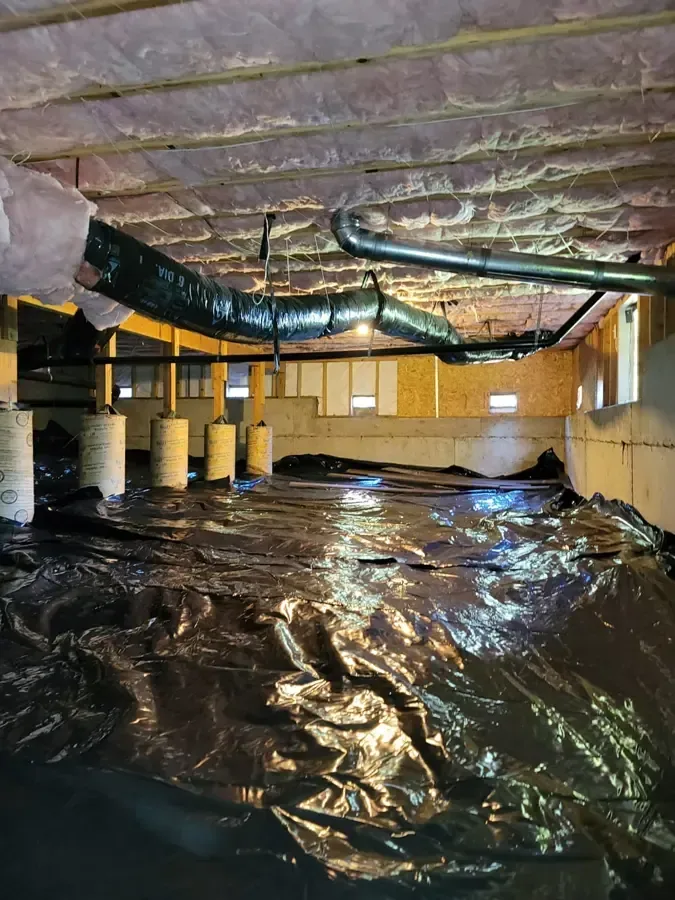
A crawl space combines limited room to work with materials that can hide water from above. Liquid may collect on ground cover while insulation stays in contact with floor framing. An occupant entering to inspect the puddle can encounter electrical, contamination or access hazards before reaching the damaged area.
The crawl space water removal process
Assess entry and work access
The team assesses clearance, hazards and water origin before choosing removal methods and routes for equipment and affected materials.
Collect pooled liquid
Accessible water is removed from collection areas, with attention to ground cover folds and obstructions that can conceal additional pockets beneath the floor.
Evaluate insulation and framing
Wet insulation receives a removal decision while exposed joists and subfloor surfaces are checked to establish the remaining moisture footprint and required drying access.
Monitor the retained structure
Equipment serves the accessible wet assembly and follow-up readings document progress before replacement insulation or other work limits the ability to inspect it again.
Establish why water is below the building
A plumbing release, outside entry and wastewater discharge call for different source investigations. The North Reading Board of Health is the municipal contact for septic questions. The North Reading Water Department describes the owner-maintained portion of the water service between the boundary shutoff and the building, which can help direct a supply repair discussion.
Martins Brook, the Ipswich River and Martins Pond appear in the town's water and flood accounts. At an individual property, the assessment must trace present entry into the crawl space and identify whether water remains active. The removal plan depends on those observed conditions and the accessible layout.
- Keep occupants outside a wet crawl space until entry hazards have been assessed.
- Report the access hatch location and any known obstruction from a safe position.
- Describe visible sagging insulation without pulling it down from above or below.
- Discuss continued entry before treating the pooled water as an isolated event.
Water under a North Reading floor needs an access plan that reaches pooled liquid and the insulation or framing remaining wet above it.
(888) 629-3140Discuss the below-floor conditionsRemove liquid and evaluate hanging materials
Water on ground cover may hide folds, depressions and debris. Removal needs to reach collection points without spreading contamination toward occupied rooms. Wet insulation may require removal to expose joists and subfloor surfaces for inspection and structural drying.
Air movement needs a reachable target
Equipment above the floor may not serve the wet material below it. The drying approach should explain how air and moisture removal reach retained framing within the restricted space. Monitoring access matters as much as initial equipment placement.
Keep exterior prevention separate from indoor recovery
Changing outside drainage can involve Conservation Commission permission where protected wetlands or floodplains are affected. That planning belongs alongside the source assessment, while water removal addresses the existing loss. The closing record should identify insulation removed, framing retained and remaining source or drainage work so the crawl space is not concealed behind new materials before its condition has been checked.
Practical steps for crawl space water removal
Avoid entering the wet space
Restricted clearance can make retreat difficult, especially around standing water and electrical components. Occupants should describe the access point without entering the affected space.
Describe the access opening
Describe the hatch, clearance and obstructions. These details help plan equipment movement and assessment without relying on an improvised entry route beneath the floor.
Identify ongoing water clues
Report plumbing use, recent outdoor entry or wastewater signs associated with the problem. The source professional can investigate those observations before the removal plan is finalized.
Keep the occupied rooms protected
Avoid dragging wet insulation or debris through living areas. A planned handling route helps separate below-floor cleanup from the household spaces above and beside the access point.
What does crawl space water removal cost in North Reading, MA?
Crawl space cleanup in North Reading depends on clearance, pooled water and wet insulation. Restricted movement, contaminated materials and broad framing exposure can increase work beyond pumping an accessible collection area beneath the floor.
Accessible pooled water
$1,500 to $2,700
- Access assessment
- Pooled liquid removal
- Initial framing checks
Wet insulation and joists
$2,700 to $4,200
- Insulation handling plan
- Exposed material assessment
- Directed drying
Restricted broad loss
$4,200 to $6,000+
- Complex equipment access
- Expanded removal scope
- Monitoring records
Water category, affected square footage, material class and the delay before drying all change the scope. These planning ranges are not a quote. Compare the water damage cost calculator with the written on-site scope.
Crawl space water removal coverage in North Reading
Below-floor water assessments cover properties around Martins Pond, Chestnut Street and Martins Landing. Describe the access opening, visible pooled water and any source information so restricted-space removal and material handling can be planned appropriately.
The same service nearby: crawl space water removal in Wakefield, Reading, Stoneham.
Water damage restoration in North Reading · every town covered
Related water damage services in North Reading


Crawl Space Water Removal questions in North Reading, MA
Should an owner crawl inside to photograph water?
A wet crawl space can contain hazards that are difficult to recognize from the opening. Occupants should stay outside and describe what is visible safely. The assessment can establish appropriate entry and document the condition without requiring an owner to enter first.
Can water sit above plastic ground cover?
Liquid can collect on ground cover and in its folds. The visible puddle may not show every collection point. Removal planning should inspect accessible areas and consider how water arrived, including plumbing releases or exterior entry that may continue after pumping.
Why might wet insulation need removal?
Saturated insulation can sag, retain contamination or block access to wet framing. Its condition and exposure determine the decision. Removing unsuitable insulation can also allow direct checks of joists and the underside of the floor before a drying method is selected.
Will a fan in the living room dry below it?
Air movement needs a path to the wet assembly. A room fan may have little effect on concealed framing beneath an intact floor. The drying proposal should explain equipment placement, moisture removal and monitoring within the accessible crawl space itself.
Who should investigate suspected septic water below?
The town directs septic questions to the Board of Health, and a qualified system professional can investigate the property issue. Cleanup must account for wastewater exposure separately. Occupants should avoid entering or handling affected insulation until the hazards and work approach are assessed.
Does outside drainage repair belong in this estimate?
It should be identified separately from removing existing water and drying the structure. Proposed changes affecting protected wetland areas or floodplains can involve Conservation Commission permission. The owner can coordinate that planning while the immediate below-floor loss receives appropriate mitigation.
Describe the hatch and visible water
Keep occupants outside the affected space and share source observations so a practical removal and drying assessment can be arranged.
(888) 629-3140Request crawl space cleanup planning