Crawl Space Water Removal in Reading, MA
A low opening can conceal pooled water and insulation pressed against damp joists. Reading crawl space assessment identifies the cavity and its access limits before planning water removal or material handling.
(888) 629-3140Discuss water beneath the floor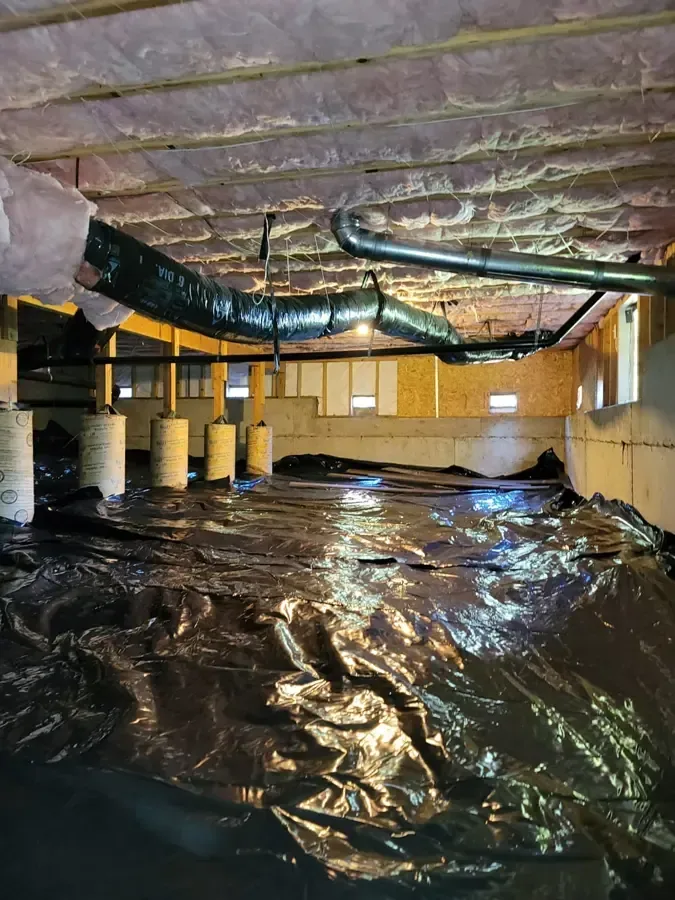
Water beneath a floor can be difficult to inspect without entering a cramped and unfamiliar space. The first assessment identifies what the cavity contains and whether access is safe. Pooled liquid, loose insulation and wet utility components can each change the equipment and handling plan before removal begins.
The crawl space water removal process
Assess the cavity entrance
Inspection establishes clearance, utilities and visible standing water before choosing the approach for personnel, equipment and material handling below.
Address separate water pockets
Removal follows accessible collection points, including pools around coverings that could remain disconnected from the lowest visible wet area.
Reach the retained floor framing
Unsuitable insulation is handled where necessary to expose wet joists and allow directed airflow along materials selected for recovery.
Record outstanding cavity repairs
Notes connect inspected component conditions with unresolved entry sources and any ground covering or insulation work required after drying.
Identify the cavity before choosing equipment
The Aberjona River Headwaters Trail passes through Maillet Conservation Area, connecting Lowell Street and Willow Street. At properties around those corridors, low cavity work starts with the building's own floor assembly and entry opening. An inspection establishes where water sits and which structural or utility components are exposed.
Ground covering can hide another wet surface underneath it, while insulation may hold moisture against joists overhead. The team records those separate layers instead of treating the space as an empty basin. Access restrictions should appear in the scope so equipment placement and material removal remain realistic for the opening available.
- Check the entry opening without crawling into water or disturbing unknown utility components.
- Identify standing water on top of ground covering and possible pockets beneath it.
- Inspect hanging insulation for contact with the wet underside of the floor.
- Plan a route for removing unsuitable material without dragging it through occupied rooms.
Water beneath a Reading floor needs an access plan for the cavity, utilities and wet materials before equipment enters the space.
(888) 629-3140Check the low cavity conditionsRemove water without overlooking overhead materials
Pumping the lowest point may leave wet joists and insulation untouched. Once access is established, the response team examines the underside of the floor and any supports reached by water. The cleaning and drying arrangement follows those findings, including whether damaged insulation prevents useful airflow along the retained framing.
An empty cavity can still contain a wet floor assembly
The absence of a pool is only a change in the liquid water condition. Material checks above the cleared area help establish whether the floor structure continues holding moisture. The drying record should identify the inspected components rather than describing the entire cavity as dry.
Connect below floor work with the room above
Musty dampness, softened finishes or moisture at floor penetrations can help direct the inspection without requiring occupants to enter the cavity. Water extraction handles accessible liquid, and structural drying addresses retained materials. The final scope should also identify unresolved entry sources and any insulation or covering repairs needed after moisture recovery.
Practical steps for crawl space water removal
Remain outside an unassessed cavity
Standing water, limited clearance and concealed utilities make entry unsuitable for casual inspection. Describe visible conditions from the opening without crawling beneath the affected floor.
Identify the available access opening
Provide the opening location and nearby obstacles so the response team can plan inspection and equipment handling within the movement limits beneath the building.
Describe changes in the room above
Damp floor edges, unusual softness or moisture near penetrations can help establish where overhead materials need closer inspection once safe cavity access is available.
Keep a clean removal path available
Arrange access through unaffected space without moving wet insulation or ground covering personally, leaving contaminated or damaged material handling to the planned cleanup process.
What does crawl space water removal cost in Reading, MA?
Reading crawl space cleanup costs reflect access restrictions, pooled water and the condition of insulation and framing. Difficult material handling or moisture beneath coverings can expand the work beyond pumping the most visible low spot.
Accessible pooled water
$1,500 to $2,700
- Entry assessment
- Water removal
- Layer inspection
Wet insulation and joists
$2,700 to $4,200
- Insulation handling
- Framing access
- Moisture monitoring
Restricted broad loss
$4,200 to $6,000+
- Equipment planning
- Controlled removal
- Assembly records
Water category, affected square footage, material class and the delay before drying all change the scope. These planning ranges are not a quote. Compare the water damage cost calculator with the written on-site scope.
Crawl space water removal coverage in Reading
Low cavity assessments include properties along Lowell Street, Willow Street and Hunt Street. The initial discussion should describe the access opening and visible conditions so inspection can be planned around the actual building assembly.
The same service nearby: crawl space water removal in Wakefield, Stoneham, North Reading.
Related water damage services in Reading


Crawl Space Water Removal questions in Reading, MA
Should an owner crawl in to inspect the water?
An unassessed cavity may contain wet utilities, unstable material or difficult exit conditions. Observations from a safe opening are more useful than unplanned entry. The response team should evaluate access and the assembly before arranging inspection and removal beneath the floor.
Does pumping remove water beneath plastic covering?
Separate pockets can remain beneath or around the covering after the visible pool is removed. The assessment needs to identify those layers and collection points. Removal should address the actual water distribution rather than relying only on the surface visible from the opening.
Can wet insulation remain against the joists?
The material's condition and its effect on framing recovery need evaluation. Saturated or sagging insulation can obstruct drying and conceal wet wood. The scope should explain whether removal is needed to expose retained components and prepare the area for later insulation replacement.
Why inspect the room above the cavity?
The underside and upper surface belong to the same floor assembly. Moisture near penetrations or damaged finishes can help locate affected layers. Checking both sides where practical gives a clearer picture than treating the low cavity as unrelated to the occupied room.
Will opening vents dry every wet component?
Ventilation alone may not reach concealed layers or provide suitable drying conditions. Equipment choices depend on the assembly, access and measured moisture. The plan should identify which materials are being dried and how progress will be checked beneath the floor.
What repairs may remain after water removal?
Entry sources, damaged coverings and unsuitable insulation may need separate correction or replacement. The restoration record should identify those items alongside retained framing conditions. This keeps completed moisture recovery distinct from the work needed to restore the cavity's intended building function.
Describe the opening and visible water
Include any hanging insulation, wet ground covering and changes in the room above so the assessment can address the complete floor assembly.
(888) 629-3140Discuss safe cavity recovery access