Wastewater rising through a fixture needs prompt attention to both the drainage problem and the room it enters. Stoneham Public Works maintains municipal water and sewer facilities, including sewer pumping stations. A useful initial report describes the affected fixtures, the order of the backup and the areas exposed indoors.
Key takeaways
- Stop using affected fixtures and keep people away from escaped wastewater.
- Record whether the problem involves a single fixture or several connected rooms.
- Drain restoration and contaminated material cleanup are separate tasks requiring coordination.
- The removal route should protect clean rooms and keep exposed contents apart.
- After hours water and sewer emergency reports are directed to Stoneham Police Department.
Describe what rose, where it rose and what happened next
A drain contractor can work from a clear sequence: a toilet changed level, a floor drain overflowed, or water appeared after an appliance discharged. The person reporting the event should identify the fixture and the room, then describe any other outlet that behaved unusually around the same time.
Repeated flushing or running another appliance can add water while the drainage problem remains active. Fixture use should pause until the source assessment establishes a safe next action, and anyone occupying another affected part of the building should receive the same instruction before routine use resumes.
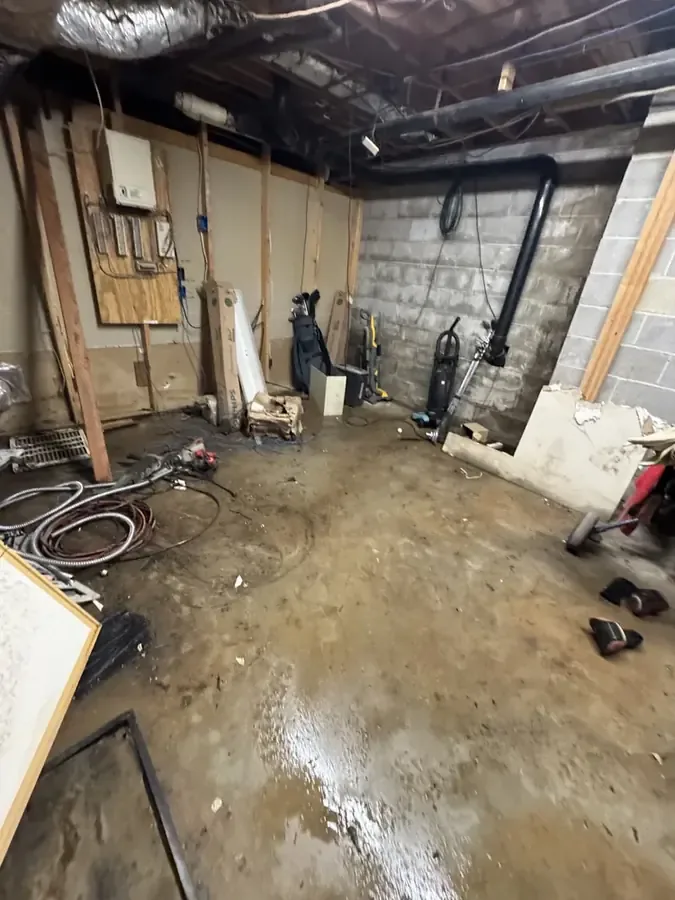
The sewage backup cleanup service addresses wastewater already inside the property. The room inspection records the visible spread and exposed materials while the drain specialist investigates the obstruction or other condition that allowed sewage to return through the fixture.
- Name each affected fixture without repeatedly operating it.
- Record whether wastewater crossed a doorway or reached another drain.
- Photograph the room boundary from a clean, dry position.
- Tell the responding contractor whether the release is still increasing.
Give the municipal contact a precise report
The town repairs, replaces and rehabilitates its sewer system to reduce infiltration and inflow. An emergency report can describe conditions outside as well as indoors, such as visible wastewater at an accessible public location, while leaving investigation and access to the responsible personnel.
Stoneham directs after hours water and sewer emergency reports to the Police Department. The caller should distinguish an active indoor backup from a general drainage question and explain any immediate access concern, making the reported symptom clear without attempting to open a public sewer structure.
Public reporting and private building cleanup can proceed as coordinated activities. A property contact should retain the reference or response information provided, pass relevant findings to the drain professional and keep the cleanup crew informed about any change in the active source before removal begins.
- Separate indoor observations from anything seen outdoors.
- Provide the sequence of fixture changes in ordinary language.
- Retain the contact details of the responding department or contractor.
- Keep occupants informed when the expected next action changes.
Draw a clean boundary around the exposed rooms
Escaped sewage changes how people and belongings move through a building. The affected room should be restricted, with a clean route reserved for occupants and a planned removal route for the cleanup team so footwear, tools and bagged material do not carry exposure into unaffected areas.
A bathroom backup can reach a hallway through the doorway, wick into a wall base or move beneath adjacent flooring. The assessment follows those contacts and evaluates the condition of porous materials, using the actual extent of exposure to define cleaning and removal decisions.
The owner can identify important contents without entering the wet area to retrieve them. A list of documents, electronics and personal items gives the crew priorities for assessment, while photographs and item notes preserve a record before exposed belongings are sorted or discarded.
- Close access to the contaminated room while keeping exits available.
- Identify a clean staging area for unaffected belongings.
- Keep children and pets outside the cleanup route.
- List priority contents for professional evaluation before handling.
Arrange drain work with controlled material removal
Restoring drainage gives the cleanup crew a more stable work area, but the room still contains the consequences of the backup. The drain specialist should explain what was found and whether further work is required, allowing the mitigation team to plan removal without an unaddressed discharge interrupting the process.
Contaminated porous material may require removal when it cannot be adequately cleaned and retained. The technician documents the item, its exposure and the reason for the decision, distinguishing wall finish, floor covering, backing and contents so the owner can understand the resulting repair needs.
The local water damage overview includes related recovery tasks when wastewater has crossed into additional rooms. Each adjoining area should receive a specific assessment, particularly at closed doors, fixed cabinets and floor seams where the original room boundary can hide continued spread.
Move from cleaning into a controlled drying setup
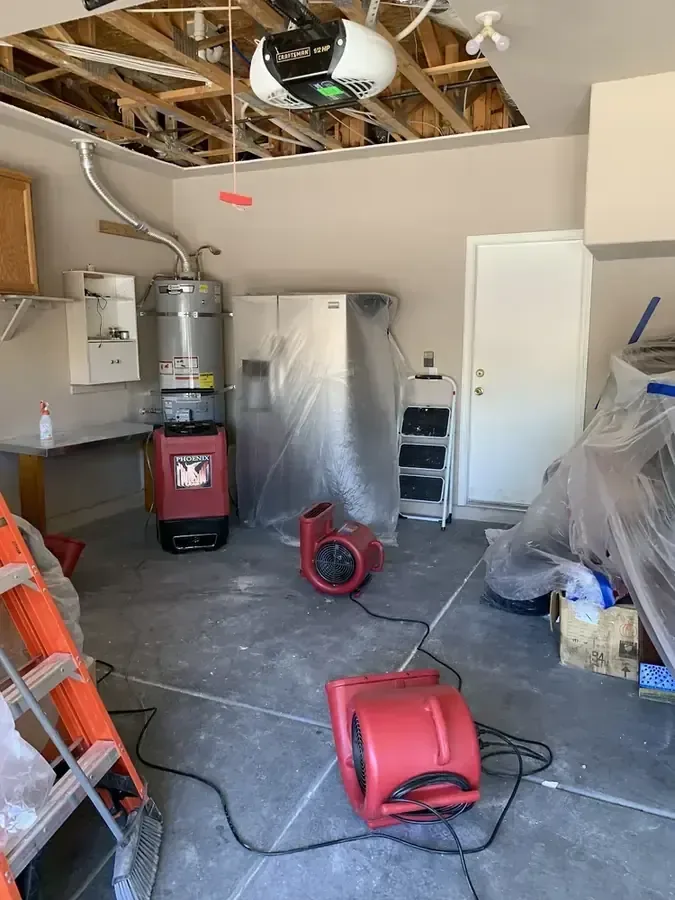
Air movement is arranged around the condition of the work area after contaminated water and materials have been addressed. A cleanup plan should establish which surfaces will be cleaned, which materials will remain and how the cleaned space will be kept separate from any removal work still underway.
Retained framing and other appropriate materials then receive moisture measurements that can be followed through drying. Equipment selection and placement should suit the exposed assembly, with the room boundary and access route kept understandable to occupants who remain elsewhere in the building.
The sewage recovery process connects removal, cleaning and drying into a documented sequence. Progress notes should make clear when an area changes from active cleanup to drying, preventing an assumption that a functioning drain alone returns the room to ordinary use.
- Identify cleaned surfaces before setting the final drying arrangement.
- Record the retained materials that still need moisture monitoring.
- Keep equipment access separate from stored clean contents.
- Explain any remaining room restriction at each project update.
Reopen with the cause and interior scope both accounted for
A reopening discussion should cover the drain findings, the completed cleaning and the condition of the remaining building materials. Any unresolved plumbing work belongs in that discussion, along with the access needed for finish repairs and the status of belongings removed from the affected space.
Stoneham's municipal Water/Sewer Department maintains sewer pumping stations and water service facilities. The building file should retain relevant municipal observations alongside the drain contractor's findings, making the relationship between the public report and the indoor work understandable without combining their separate responsibilities.
The owner receives a practical list of replacement materials, contents decisions and final drying observations. Matched photographs showing the original spread and the cleaned area help a finishing contractor prepare the room for use while preserving a record of surfaces that were exposed during the backup.
Questions
What is the most useful clue when several fixtures react?
The order of the changes helps the drain specialist focus the investigation. The report should state which outlet reacted first and what household activity was occurring at that moment, without further flushing to recreate the event.
Who receives an after hours municipal emergency report?
The town directs water and sewer emergency reports outside normal hours to Stoneham Police Department. The person reporting should explain whether wastewater is actively entering a building and identify any immediate hazard.
Can exposed belongings be mixed with dry storage?
Exposed items should remain identified and separate pending assessment. A contents inventory lets the cleanup team evaluate cleaning or disposal while protecting belongings that have remained outside the contaminated area.
Does normal drainage mean the room can reopen?
The interior still needs completion of its cleaning and material assessment. The property contact should receive a clear status for drying, remaining repairs and safe room access before routine occupancy resumes.